

Last Updated: January 2026
If you’re a nurse in Dallas, you already know the reality — and it isn’t glamorous. You wake up early. You work long shifts. You carry physical exhaustion and emotional stress home with you. You manage patients, families, documentation, time pressure, and constant multitasking. And yet, despite everything you give to your profession, the paycheck often feels underwhelming compared to the responsibility you carry.
Rent keeps climbing. Groceries cost more every month. Gas prices fluctuate. Childcare costs increase. Meanwhile, your schedule stays rigid and demanding. For many nurses, the issue isn’t loving healthcare — it’s feeling financially capped and schedule-restricted.
This is exactly why more healthcare professionals in Dallas are quietly adding microblading certification as a secondary professional skill. Not because they want to abandon nursing — but because they want flexibility, income diversification, and control over how much they earn.
Programs such as microblading certification training in Dallas are becoming popular with nurses who want a realistic, skill-based upgrade that aligns with their existing experience.
The Healthcare Burnout Reality No One Talks About
Nursing burnout isn’t rare — it’s common. Long hours, emotional strain, unpredictable schedules, and constant pressure create fatigue that goes far beyond physical tiredness.
Many nurses report feeling:
- Mentally drained
- Physically exhausted
- Emotionally overloaded
- Financially limited
- Professionally boxed in
What makes it worse is that traditional career advancement in healthcare often requires more schooling, more debt, or even longer hours.
That’s where skill expansion comes in.
Instead of adding more hospital shifts, nurses are choosing to add an entirely new professional skill that offers autonomy — microblading.
Why Nurses Are Drawn to Microblading Specifically
Microblading isn’t random beauty work. It’s precision cosmetic tattooing performed on living tissue. It requires focus, steady hands, controlled pressure, sanitation protocols, and technical accuracy.
Sound familiar?
Nurses already operate in environments that demand:
- Fine motor skill control
- Attention to detail
- Procedure-based workflows
- Skin awareness
- Infection prevention standards
- Professional documentation habits
Because of this, nurses often adapt to microblading training faster than the average beginner.
Instead of struggling with discipline or workflow structure, healthcare professionals already understand how systems work — and microblading training is built around systems.
What Microblading Really Is (Beyond Instagram)
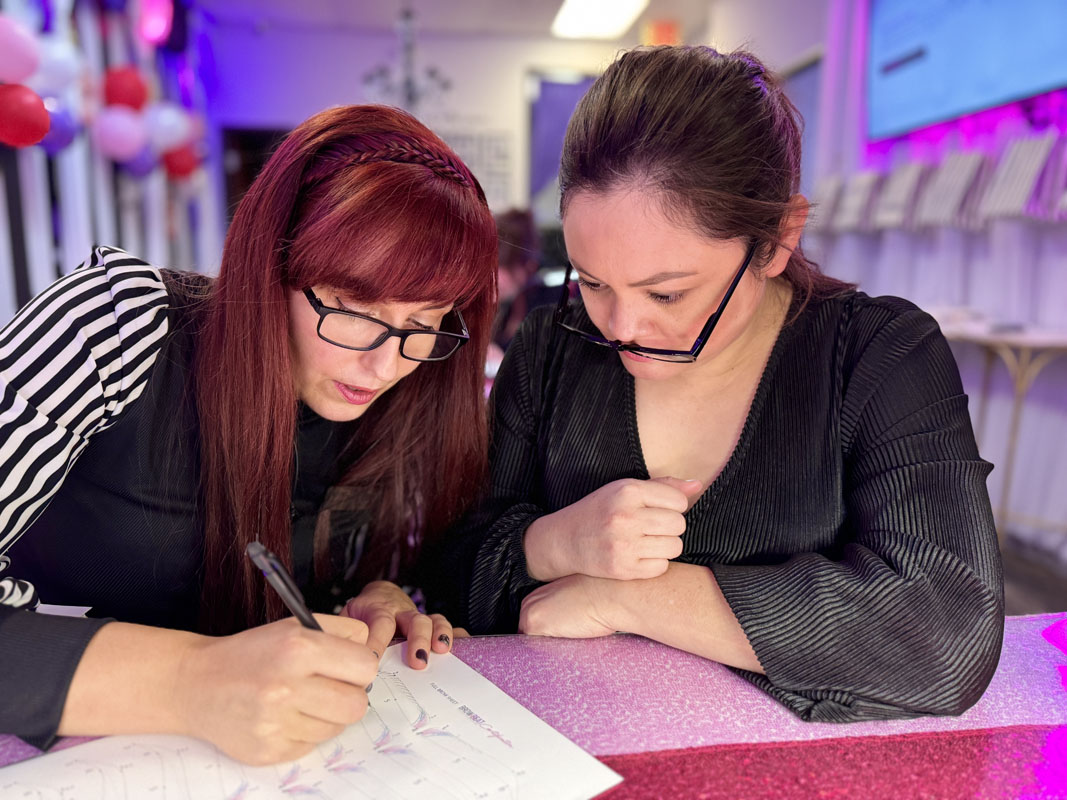
Microblading is a semi-permanent eyebrow enhancement technique that deposits pigment into the superficial layers of skin using a manual handheld tool. The goal is to create realistic hair-like strokes that improve brow shape, fullness, and balance.
Clients seek microblading for a variety of reasons:
- Thinning eyebrows
- Over-plucked brows
- Asymmetry correction
- Hair loss conditions
- Age-related brow changes
- Busy lifestyles that require low-maintenance beauty
This growing client demand is exactly why more professionals are seeking structured training through beginner-friendly microblading education programs.
It’s no longer a niche service — it’s part of mainstream beauty care.
The Shift Happening Inside the Nursing Community
Ten years ago, most nurses didn’t consider beauty services as a serious professional expansion.
Today, that mindset is changing.
Healthcare professionals are realizing that skill stacking — adding complementary certifications — creates leverage.
Instead of relying on a single employer, nurses are building parallel income paths that allow them to:
- Reduce overtime dependency
- Create schedule flexibility
- Control workload volume
- Explore creative work
Microblading fits perfectly into this shift because it uses skills nurses already possess while offering a completely different working environment.
Why Dallas Is the Perfect City for This Transition
Dallas is one of Texas’s fastest-growing beauty markets. Demand for semi-permanent makeup services continues to rise as clients look for long-term cosmetic solutions.
The Dallas metro area supports:
- High client volume
- Established training academies
- Advanced certification programs
- Professional education infrastructure
This makes Dallas an ideal location for nurses who want access to in-person training while maintaining local career flexibility.
Many certification programs now combine in-person education with digital training resources, making it easier for nurses working rotating shifts to study at their own pace.
Why Microblading Feels “Different” Than Healthcare Work
One of the biggest surprises nurses experience after entering microblading training is the environment shift.
Instead of rushing between patient rooms, responding to call lights, and managing emergency situations, microblading offers:
- Scheduled appointments
- Quiet workspaces
- One-on-one client focus
- Creative engagement
- Predictable workflows
Many nurses describe cosmetic tattoo work as mentally stimulating but far less emotionally exhausting than hospital care.
This Is Not About Quitting Nursing
It’s important to be clear — most nurses who pursue microblading do not quit healthcare immediately.
They start gradually.
They train.
They practice.
They book clients part-time.
They build confidence.
Microblading becomes a supplemental skill that grows alongside their nursing career — not a risky overnight leap.
What Comes Next
Now that you understand why nurses are moving toward microblading education, the next step is understanding how training actually works.
In the next section, we’ll break down:
- What certification training includes
- How nurses transfer skills into cosmetic tattooing
- What the learning curve looks like
- Why structured education matters
Let’s dive into what microblading training really looks like.
What Microblading Certification Training Actually Includes
One of the biggest misconceptions nurses have before enrolling is thinking microblading training is a short beauty workshop. In reality, professional certification programs are structured educational systems designed to build technical skill step-by-step.
High-quality programs focus on developing both technical ability and professional workflow habits. This structure is exactly why nurses tend to adapt quickly — it mirrors healthcare training models.
Phase One: Technical Foundations
The first phase of training focuses on understanding how microblading actually works beneath the surface of the skin.
Students learn:
- Skin anatomy fundamentals
- Pigment behavior in the epidermis
- Depth control principles
- Tool handling technique
- Manual pressure management
- Stroke angle control
This stage is where nurses feel immediately comfortable. Concepts like tissue response, surface tension, and controlled penetration are not foreign — they parallel medical technique awareness.
Phase Two: Brow Mapping and Facial Structure Training
Mapping is one of the most important technical components of professional brow work.
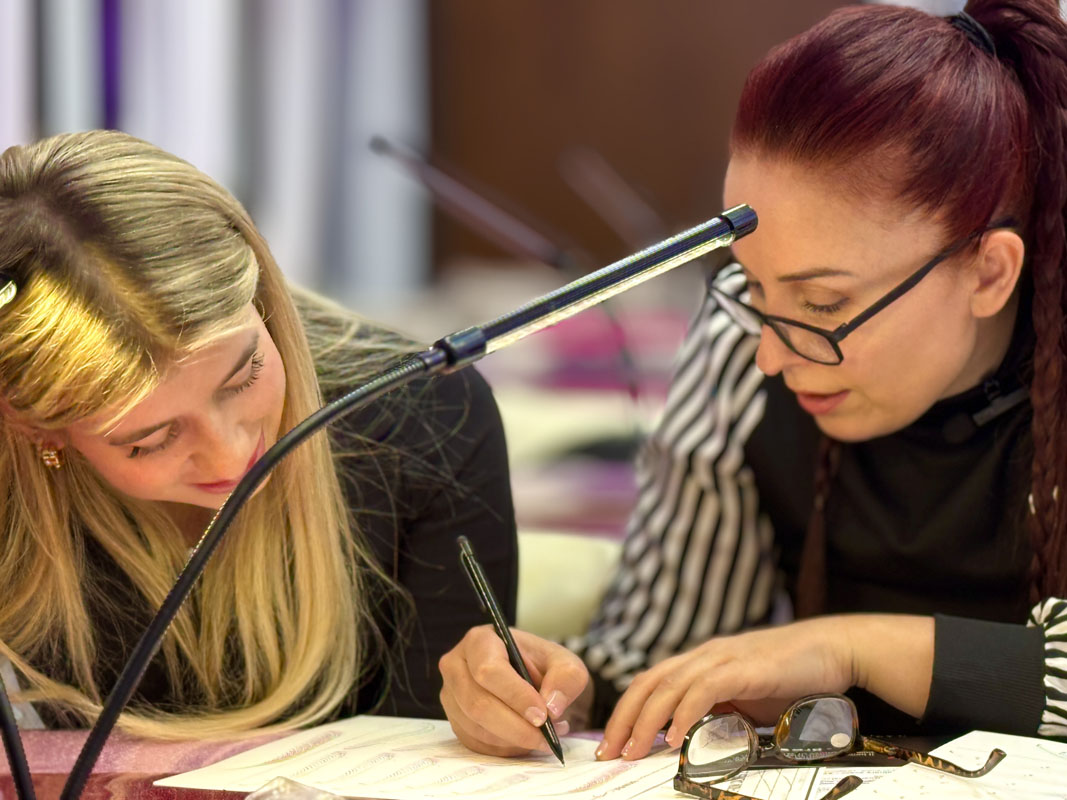
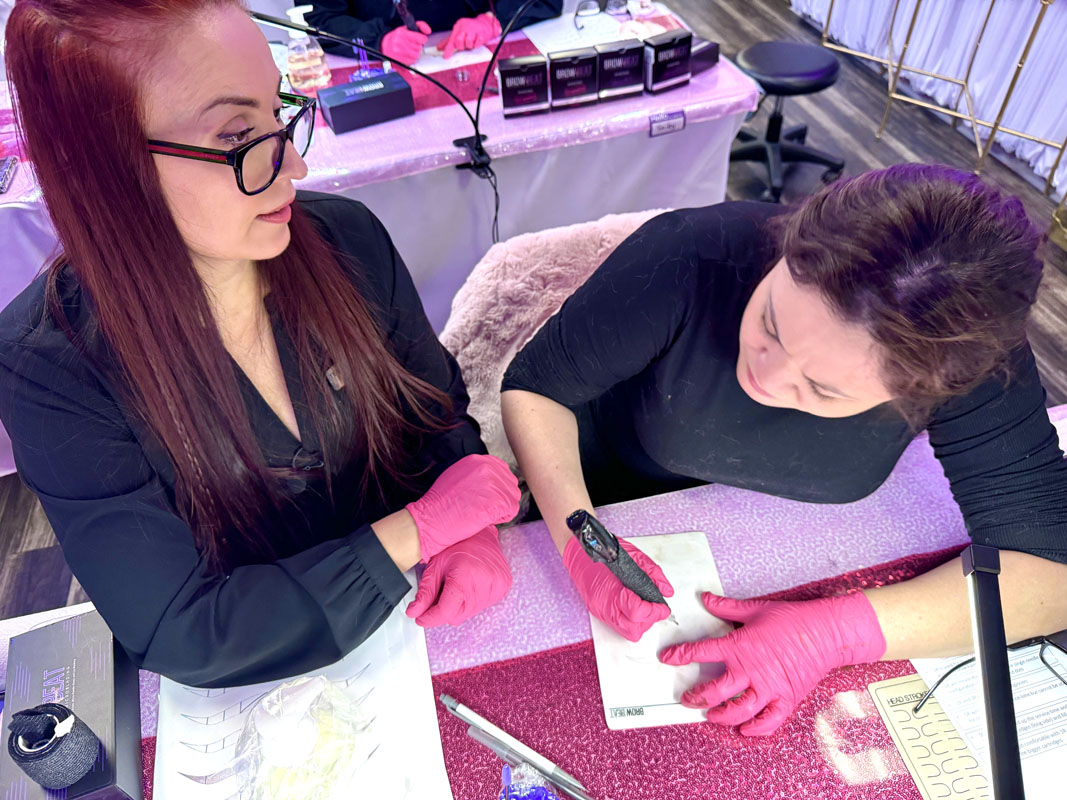
Rather than guessing brow shapes, students are taught structured facial measurement systems that allow consistent, repeatable designs.
Mapping education includes:
- Facial proportion analysis
- Symmetry alignment
- Brow head placement
- Arch positioning
- Tail direction control
This step-by-step approach appeals to nurses who already work with measurement systems and procedural frameworks.
Phase Three: Simulation-Based Training
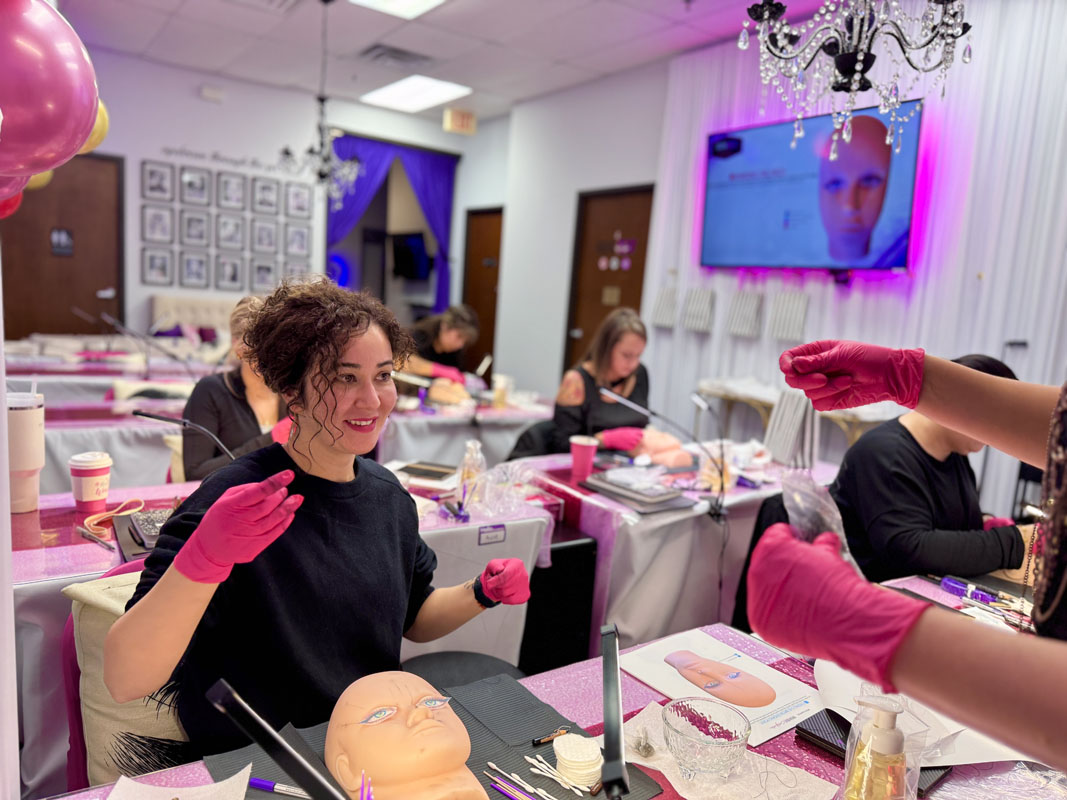
Before advancing into higher-level technique application, students practice extensively using simulation exercises.
Simulation training focuses on:
- Stroke rhythm control
- Hand stability
- Pattern repetition
- Directional flow consistency
- Pressure accuracy
This repetition builds muscle memory — the same way nurses develop confidence with IV placement, suturing practice, or injection technique.
Phase Four: Workflow Education
Professional training programs also teach full treatment workflow organization.
This includes:
- Station setup
- Tool preparation
- Procedure sequencing
- Time management
- Aftercare protocol explanation
For nurses, this feels familiar. Healthcare environments already rely on structured workflows — and cosmetic tattoo training applies the same logic.
Why Nurses Learn Microblading Faster Than Average Beginners
Many beauty beginners struggle with consistency and discipline during training.
Nurses, on the other hand, already possess:
- Professional accountability habits
- Time management skills
- Process-oriented thinking
- Documentation awareness
- Safety compliance mindset
This gives nurses an advantage during certification training.
Instead of focusing on basic professionalism, they can devote more energy toward technical refinement.
The Learning Curve: What to Expect
Microblading is not instant mastery — and reputable programs don’t promise unrealistic results.
The learning curve typically follows three stages:
Stage One: Concept Absorption
Students absorb theory, terminology, and technique structure. This phase builds understanding but not yet speed.
Stage Two: Muscle Memory Development
Through repetition, students begin developing steadier hand movement and controlled stroke patterns.
Stage Three: Confidence Building
As technique stabilizes, confidence increases and workflow becomes smoother.
Nurses already understand this progression from their medical training — competence grows with repetition.
How Microblading Training Differs From Traditional Beauty Education
Unlike traditional cosmetology programs that cover broad beauty services, microblading certification is highly specialized.
It focuses on:
- One service category
- Precision technique
- Skin-based application
- Client-specific customization
This specialization allows faster skill development compared to generalized beauty schooling.
Why Structured Certification Programs Matter
Not all training programs deliver the same quality of education.
Strong certification programs emphasize:
- Clear learning progression
- Hands-on simulation exercises
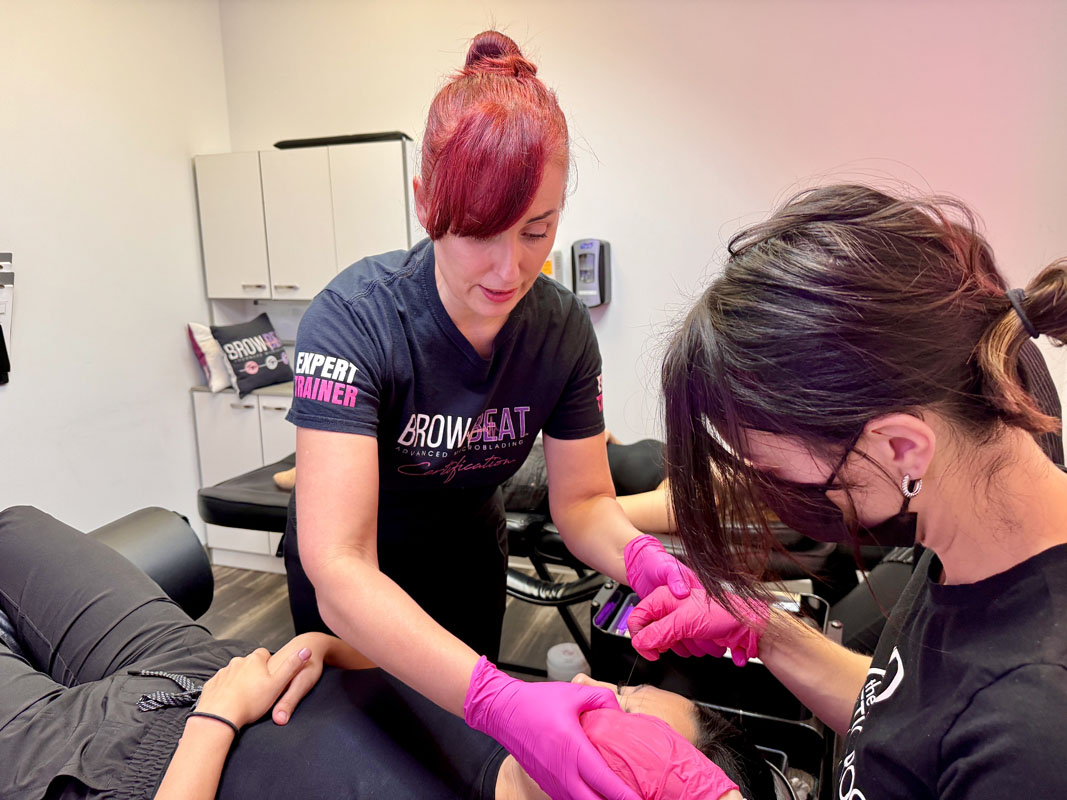
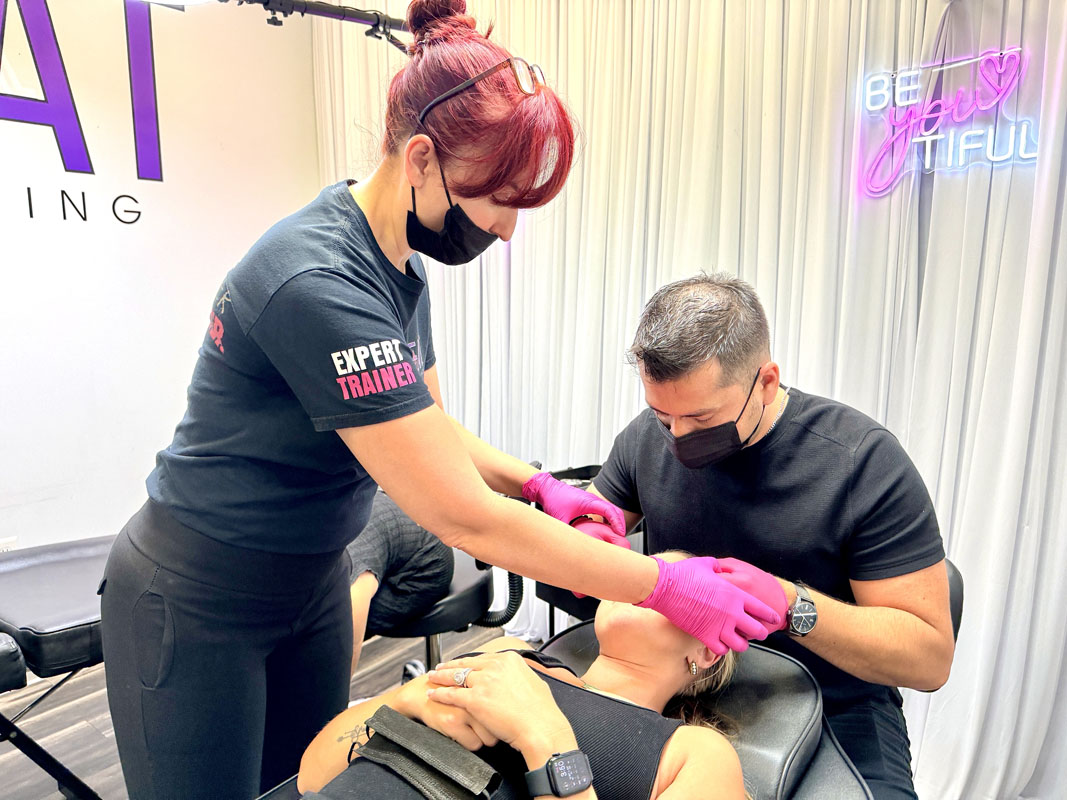
- Instructor-led guidance
- Organized curriculum structure
- Complete training materials
This is especially important for healthcare professionals who value reliability and educational integrity.
The Role of Equipment and Starter Kits in Training
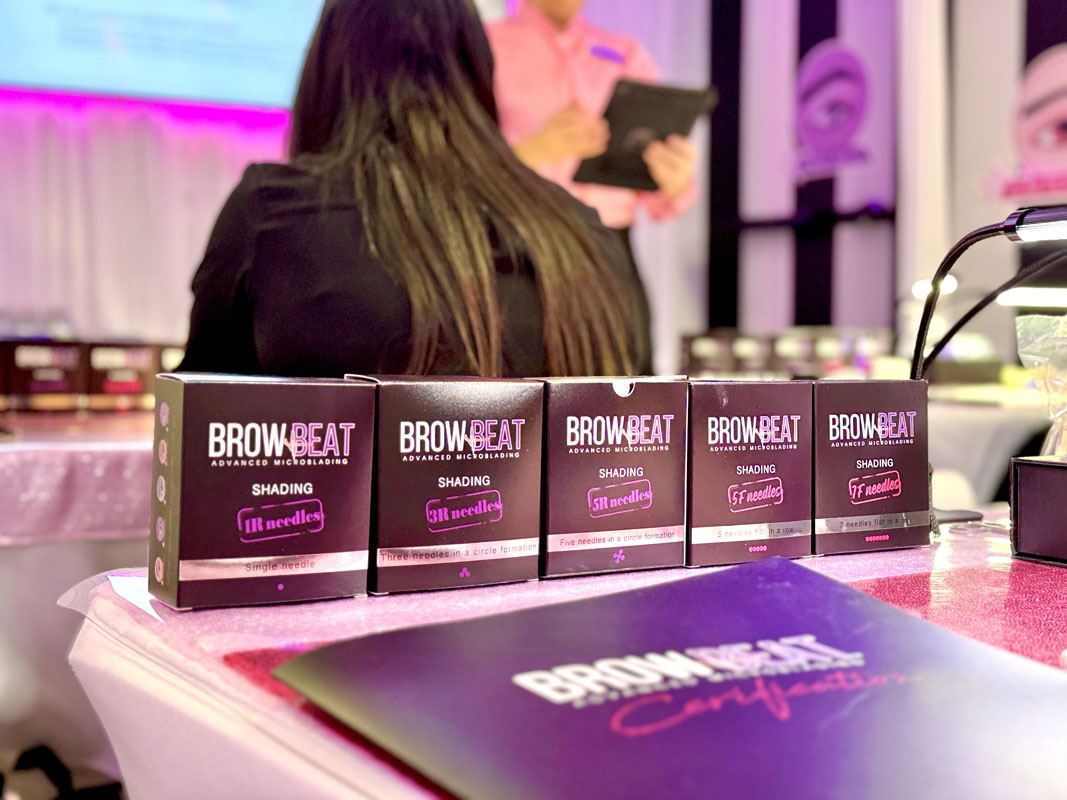
Many certification programs include starter kits to help students transition into hands-on learning quickly.
Starter kits typically include:
- Manual tools
- Practice skins
- Mapping supplies
- Pigments
- Training cartridges
Programs such as training courses with starter kits included help reduce the stress of sourcing equipment independently.
How Business Education Supports New Artists
Beyond technical skills, many training programs provide foundational business education.
This includes understanding:
- Client scheduling systems
- Appointment flow
- Professional communication
- Service organization
- Growth planning
Educational resources such as business solutions training help nurses transition from employee mindset into professional service provider roles.
What Nurses Find Most Surprising During Training
Many nurses report being surprised by how much structure exists in cosmetic tattoo education.
Rather than improvisational artistry, microblading relies heavily on:
- Measured design systems
- Controlled hand movements
- Technical repetition
- Process discipline
This structured approach aligns well with healthcare thinking and helps reduce learning anxiety.
Why Ombré Powder Brow Training Often Follows Microblading
After mastering hairstroke technique, many nurses expand into shading-based brow services.
Ombré powder brows use machine-based techniques to create soft gradient finishes.
Learning both skills provides:
- Greater service versatility
- Expanded technical range
- Improved client matching ability
This is why many students continue into ombré powder brow certification training after completing microblading education.
What Comes Next
Now that you understand what training actually includes and how nurses transition successfully, the next step is understanding the Dallas market opportunity and how certification creates long-term flexibility.
In the next section, we’ll cover:
- Dallas client demand trends
- Multi-skill certification advantages
- Career growth pathways
- Long-term professional flexibility
Let’s continue.
Why Dallas Is One of the Best Cities to Learn Microblading
Location matters when it comes to professional training and career expansion. Dallas has quickly become one of Texas’s strongest hubs for semi-permanent makeup education and client demand.
The Dallas metro area supports:
- High population density
- Strong beauty service demand
- Established training academies
- Advanced certification infrastructure
This combination creates an ideal environment for nurses who want access to education while maintaining local career flexibility.
Client Demand Continues to Grow
Semi-permanent makeup services have moved into mainstream beauty care.
Clients are increasingly seeking long-lasting solutions that reduce daily makeup routines and provide consistent appearance enhancement.
Microblading and ombré powder brows remain two of the most requested brow services across Dallas.
This rising demand is what drives consistent enrollment into microblading certification training programs and keeps professional education expanding.
Certification Creates Professional Credibility
In healthcare, credentials matter. The same is true in cosmetic tattoo education.
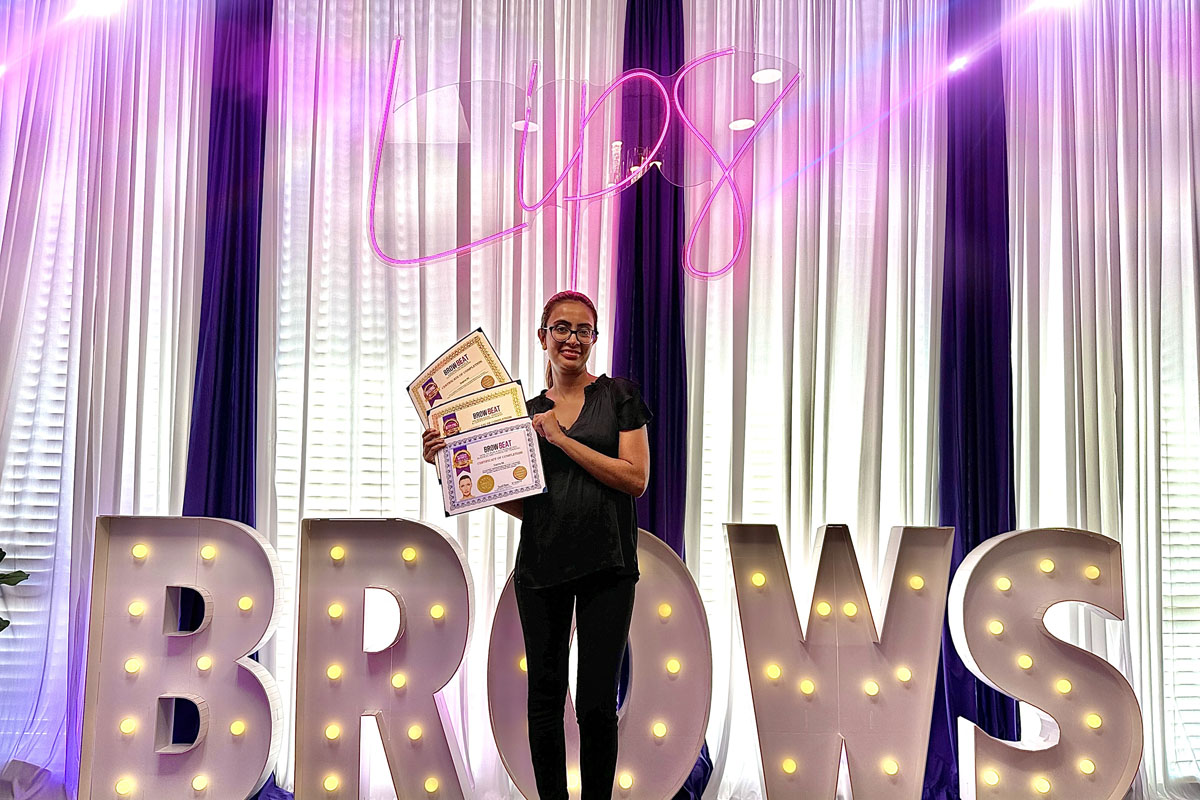
Professional certification programs provide structured training documentation that helps establish technical credibility.
Certification demonstrates that students have completed organized education covering:
- Technique fundamentals
- Safety protocols
- Mapping systems
- Workflow structure
For nurses, this credentialing structure feels familiar and professional.
Why Many Nurses Choose Multi-Skill Certification Programs
Instead of learning only one brow technique, many healthcare professionals choose programs that teach multiple complementary skills.
Multi-skill training often includes:
- Microblading hairstroke techniques
- Ombré powder brow shading
- Foundational combo brow structure concepts
- Advanced mapping systems
This approach allows students to build broader technical foundations without repeating overlapping curriculum.
Programs that combine multiple techniques provide more flexibility when working with different client needs.
Why Ombré Powder Brows Expand Service Options
While microblading focuses on hair-like strokes, ombré powder brows create soft shaded finishes using machine-based application.
Learning both techniques allows nurses to offer:
- Natural stroke-based brows
- Makeup-style shaded brows
- Hybrid designs
- Custom client solutions
This versatility is one reason many students pursue ombré powder brow certification after completing microblading training.
Career Flexibility After Certification
One of the most appealing aspects of microblading education is flexibility.
Certification opens multiple pathways:
- Part-time artistry
- Studio employment
- Independent service work
- Advanced cosmetic tattoo specialization
Nurses can scale involvement gradually rather than making abrupt career changes.
How Nurses Build Confidence Over Time
Confidence doesn’t happen overnight.
It builds through:
- Consistent practice
- Technique repetition
- Structured learning
- Client interaction experience
Healthcare professionals already understand this process. Skill development in nursing works the same way.
Long-Term Professional Leverage
Microblading certification isn’t just about learning a service — it’s about gaining professional leverage.
Instead of relying on one employer or income source, nurses gain the ability to diversify income streams.
This diversification creates:
- Financial stability
- Schedule autonomy
- Reduced burnout risk
- Career resilience
What Makes Nurses Stand Out as Artists
Clients often gravitate toward healthcare-trained artists because they value:
- Professional demeanor
- Clear communication
- Trustworthiness
- Clean work environments
- Procedure-focused care
Nurses naturally bring these qualities into cosmetic tattoo services.
The Creative Side Nurses Discover
One unexpected benefit many nurses experience is creative fulfillment.
Microblading allows you to:
- Design custom brow shapes
- Enhance facial symmetry
- Create aesthetic results
- Engage creativity daily
This creative component balances the clinical nature of healthcare work.
How Business Training Supports Career Expansion
Building a service-based skill requires business understanding.
Many programs integrate professional growth education through resources such as business solutions training to help students understand appointment flow, client management, and professional branding.
This business foundation helps nurses transition into service-based professional roles smoothly.
What Nurses Should Expect Emotionally
Transitioning into a new skill can feel intimidating.
However, many nurses report feeling energized during training because:
- The environment is positive
- The learning process is structured
- Progress is measurable
- Creativity is encouraged
It becomes a refreshing contrast to hospital stress.
What Comes Next
Now that you understand Dallas market demand, certification leverage, and long-term career potential, the final section will cover:
- Frequently asked nurse questions
- Reality checks
- Long-term mindset strategies
- Enrollment steps
Frequently Asked Questions Nurses Have Before Enrolling
Before committing to certification training, most nurses share similar concerns. Let’s address them honestly.
Do I Have to Quit Nursing to Learn Microblading?
No. Most nurses begin training while maintaining their healthcare roles.
Many students schedule certification courses around work shifts and slowly build experience over time. Microblading is commonly added as a secondary professional skill rather than a full career replacement.
Is Microblading Hard to Learn?
Like nursing procedures, microblading requires repetition and structured practice.
It is not “easy,” but it is very learnable when taught using step-by-step systems. Nurses often adapt faster than average beginners because they already understand disciplined training environments.
Do I Need Artistic Talent?
No formal art background is required.
Modern training programs rely on mapping systems, proportional measurements, and technical repetition — not freehand guessing. Creativity develops naturally as technical confidence grows.
How Long Does Certification Training Take?
Training timelines vary by program structure and student availability.
Most nurses complete certification education within a few months while studying part-time and practicing consistently.
Is Microblading Physically Demanding?
Compared to hospital shifts, microblading is far less physically taxing.
Sessions are performed seated with ergonomic positioning. There is no lifting, running between departments, or extended standing.
The Reality Check Nurses Appreciate
Microblading is not a shortcut career.
It still requires:
- Practice consistency
- Skill development
- Patience
- Learning discipline
However, the difference is control.
You control your pace.
You control your schedule.
You control how far you grow.
Why Many Nurses Feel Re-Energized During Training
One unexpected benefit many healthcare professionals experience is renewed motivation.
Training introduces:
- Creative engagement
- Positive learning environments
- Clear skill progression
- Visible improvement milestones
Instead of crisis-driven workdays, microblading training offers focused development with tangible results.
The Emotional Reward Nurses Don’t Expect
Helping patients is meaningful — but microblading creates a different emotional experience.
Clients walk away feeling confident, empowered, and excited about their appearance.
Many nurses describe this as refreshing: still helping people, but in a lighter, uplifting way.
What Long-Term Flexibility Looks Like
Microblading certification does not lock you into one path.
It creates options.
Long-term flexibility includes:
- Part-time artistry alongside nursing
- Transitioning into cosmetic tattoo work later
- Advanced technique specialization
- Studio employment opportunities
You decide how far you go.
Why Skill Stacking Is Becoming Popular in Healthcare
More healthcare professionals are realizing that relying on a single income source increases burnout and financial stress.
Skill stacking — adding complementary certifications — creates leverage.
Instead of feeling trapped by rigid schedules, nurses gain control by expanding professional capability.
Microblading fits perfectly into this strategy because it rewards precision, patience, and consistency — skills nurses already possess.
What Makes Nurses Trusted Artists
Clients value healthcare-trained artists because they bring:
- Professional communication
- Procedure transparency
- Clean work environments
- Comfort-focused service
- Trust-based relationships
This trust helps nurses build strong client connections early.
Who This Path Is Perfect For
- Nurses seeking income flexibility
- Healthcare professionals experiencing burnout
- Career changers
- Stay-at-home parents
- Beauty beginners
- Entrepreneurs
The Bigger Picture
You didn’t become a nurse to feel financially limited.
You didn’t choose healthcare to feel trapped.
You chose this profession to help people — and to build a better life.
Microblading education doesn’t replace your nursing identity.
It expands it.
It gives you options.
It gives you leverage.
It gives you flexibility.
Ready to Take the First Step?
If you’re ready to explore microblading and cosmetic tattoo education in Dallas, structured certification programs are available.
Schedule your appointment today and begin building your next professional skill.