Building a new career starts with two things: repeatable skills and the right tools to keep improving after class. At BrowBeat Studio™ Dallas Microblading Certification and Training Academy, our Dallas-based program pairs in-depth instruction in microblading, powder (ombré) brows, and combo brows with a complete, professional student kit. You don’t leave guessing what to buy or how to practice—you leave equipped to train your hands, document your process, and steadily move from practice to paid services.
This long-form guide is your “kit mothership.” It explains exactly what you learn in the Dallas certification, how the tools in your kit are used, why BrowBeat includes each item, and how aftercare training, classroom structure, and business basics come together so you can launch confidently in Texas. Throughout, you’ll find course details, kit references, business solutions, and pages to help you plan your next step: schedule, testimonials, gallery, and contact.
Why Dallas (and Why Now)
Dallas is a beauty-forward city. Clients want brows that hold up at work, at the gym, and on camera—day after day. That steady demand makes Dallas a smart place to certify, build a portfolio, and establish a reputation for results. Training locally means you practice on the looks and lifestyles you’ll serve most: subtle “my brows but better,” softly shaded ombré for makeup lovers, and combo finishes that blend strokes and shading for definition that reads beautifully in photos.
Our promise is simple: we’ll teach you to make good decisions—mapping conservatively, choosing the right technique for the skin in front of you, and building repeatable habits you can keep practicing with the included kit.
How the Dallas Certification Is Structured
Training runs three days and is simulation-first. That means structured exercises on paper and silicone skins, plus silicone practice headbands. This approach removes live-skin variables so you can focus on depth, rhythm, spacing, and gradient control.
Day One — Microblading Stroke Patterns & Mapping Foundations
You begin by learning how believable hair grows—and how to mirror it. We start with conservative mapping to respect facial structure, then move into stroke pattern exercises that teach the head, spine, upper and lower rows, and inner detail strokes. On paper you’ll name and draw each stroke; on silicone headbands you’ll feel how wrist angle, elbow height, and pressure turn into clean, repeatable incisions. The goal is control before speed, so your lines flow like hair instead of “barcodes.”
Day Two — Symmetry, Pigments, and Ombré Orientation
Day Two deepens symmetry and color choices. You’ll work with string mapping, rulers, and calipers to place six reliable reference points, then practice pigment planning—undertones, warmth/coolth, and how density and healed reality affect perceived color. You’ll finish with an ombré orientation: what a powder gradient looks like up close, how “lining” establishes boundaries without harsh edges, and why powder is dependable on oily and mature skin.
Day Three — Powder Application, Combo Logic & Business Basics
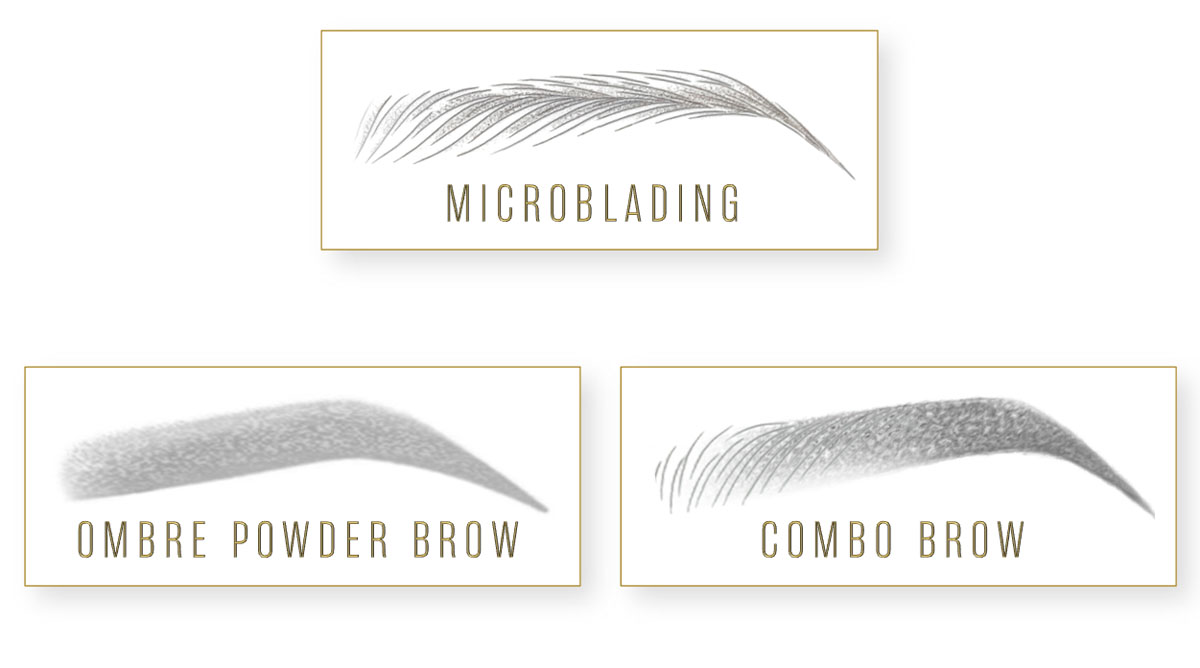
Day Three moves to machine work for powder brows—hand speed, machine angle, and pixel spacing for even gradients. You’ll learn the combo logic: where to use strokes for texture (often the front and upper brow) and where to shade for structure (arch and tail). We close with a practical business block—pricing, policies, booking flow, and refresh strategy—so you graduate with a plan. If you want to go deeper on operations, see Business Solutions.
For the full program overview, visit the Microblading Certification page and check current class dates.
The Complete Student Kit (Dallas): Every Item, Explained
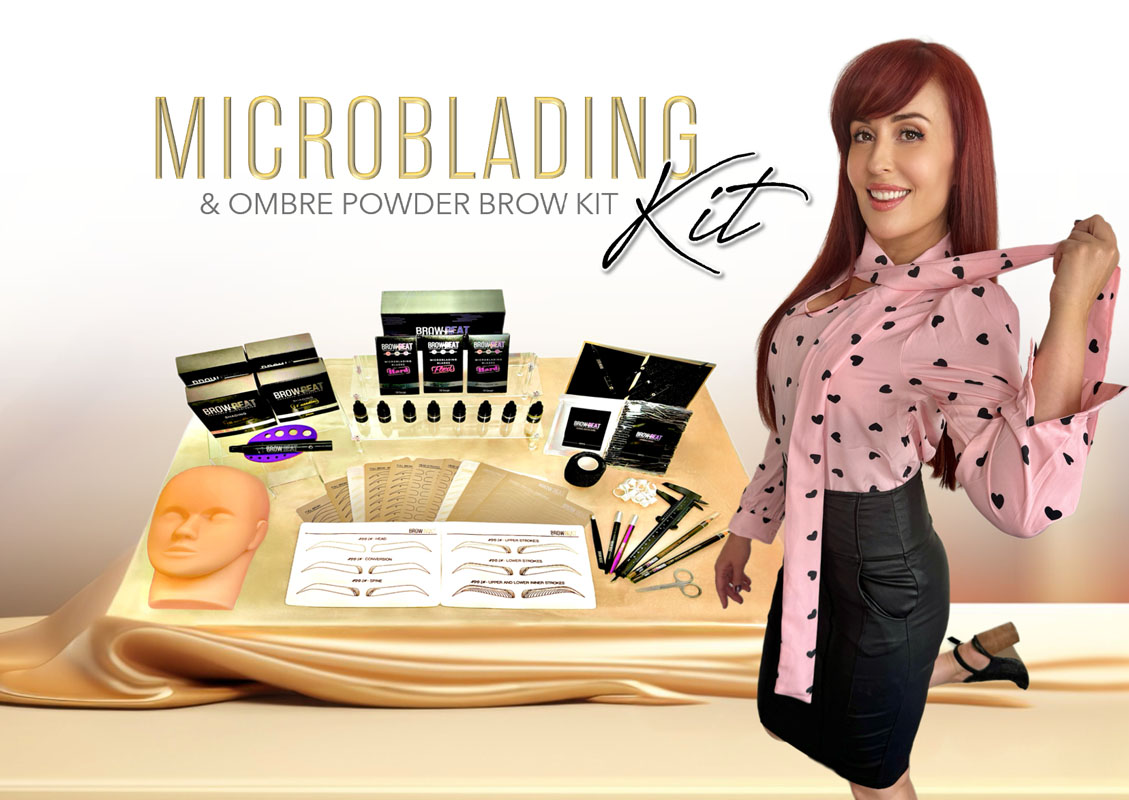
Your hands improve as you practice; your practice improves when your tools are consistent and reliable. That’s why BrowBeat packs a complete kit—not a sampler. Below is a detailed breakdown of typical inclusions, how each is used in class, and why it’s in the kit so you can keep progressing after graduation. For a quick visual, open the Kit Overview.
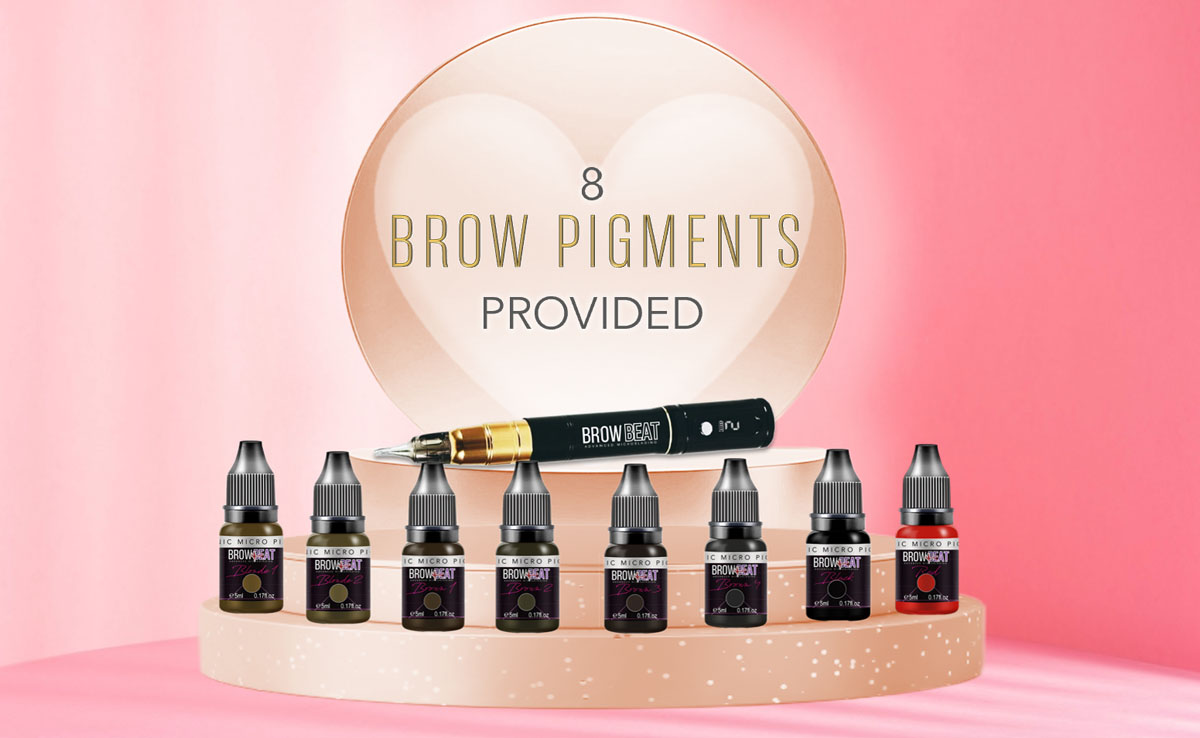
Pigment Collection (Blonde → Deep Brunette + Support Shades)
What it is: A curated set covering light to deep brow ranges, with support shades to gently warm or neutralize as needed.
How you use it: In class you’ll learn to evaluate brows and build color plans that look believable as they heal.
Why BrowBeat includes it: So you can practice blends and density on silicone immediately, then carry that plan forward to models/clients after class without scrambling for compatible tones.
Microblading Handles
What it is: Balanced, grippy handles that keep your wrist and elbow in control during stroke work.
How you use it: You’ll run stroke pattern sets on silicone headbands—head strokes to establish direction, spine and lower strokes for flow and ending with inner strokes for density.
Why BrowBeat includes it: Handles that feel stable help you learn pressure. Good pressure is the difference between scratches that fade and clean incisions that hold pigment.
Microblading Blades
What it is: Single-use blades with micro needles configurations for hairlike lines.
How you use it: Angle and depth control are coached constantly; you’ll learn to hear and feel when you’re in the right plane for crisp lines without overworking the skin (simulated on silicone in class).
Why BrowBeat includes it: Blade quality rewards good technique. You feel the difference when your hand improves, and that feedback loop accelerates your progress.
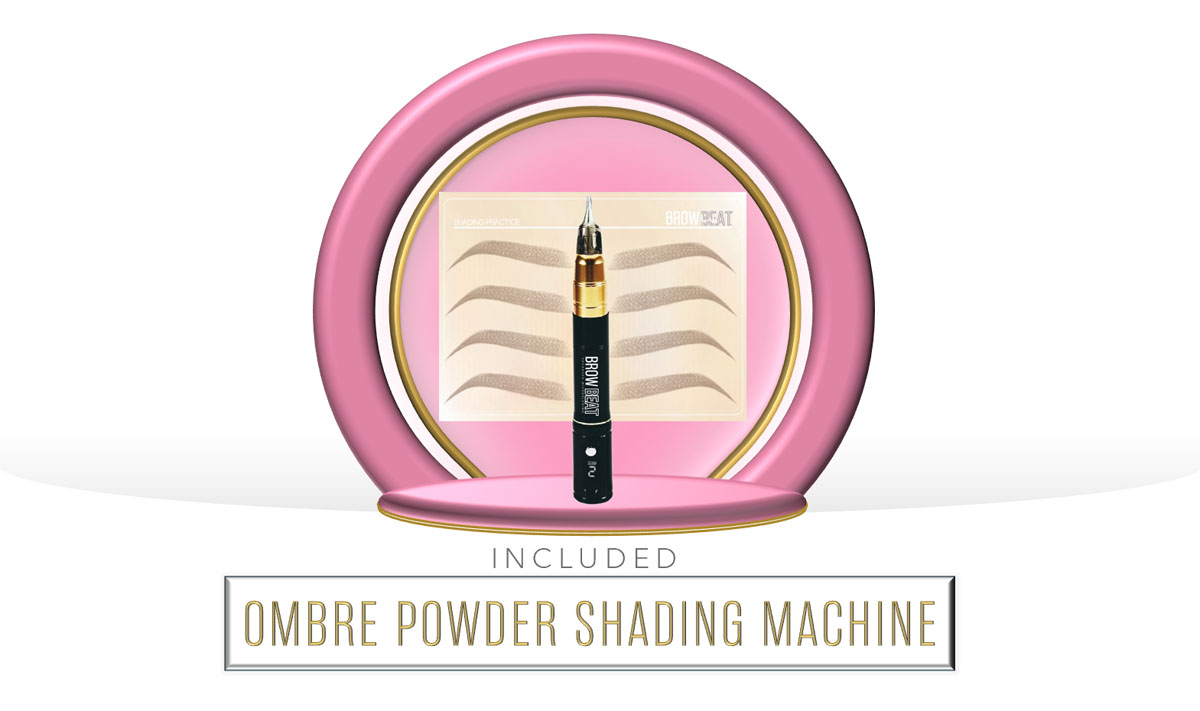
Wireless PMU Machine (Multi-Speed)
What it is: A cordless device with multiple speed settings, tuned for low-to-medium vibration so gradients stay even.
How you use it: On silicone, you’ll practice lining to define borders softly, then pixelation and layering to build density without blotchiness. Your mentors coach machine angle, stretch, and movement paths.
Why BrowBeat includes it: Consistent tooling means your home practice feels like class. That continuity is how you translate classroom control into real services.
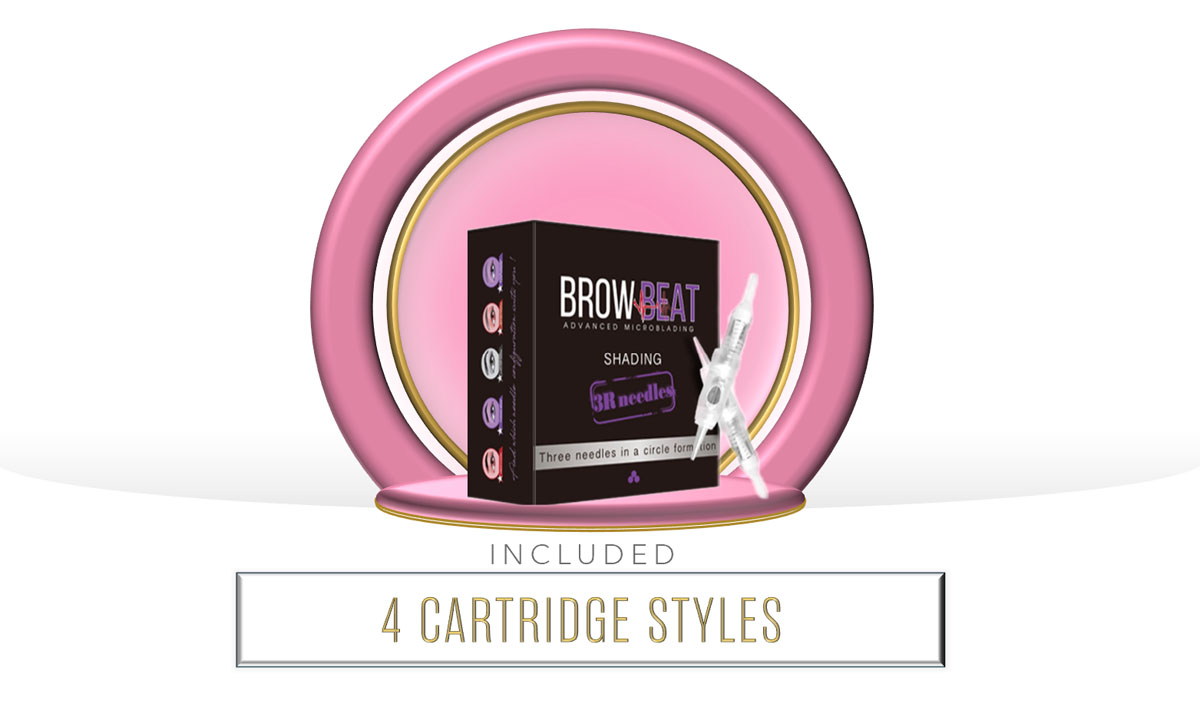
Cartridge Set (1R, 3R, 5R, 5F)
- 1R: Tight detailing and subtle boundary work where structure matters but harsh edges do not.
- 3R: Controlled density passes that build a foundation for the gradient.
- 5R: Quicker coverage in the tail and body when more is needed.
- 5F (Flat): Faster pigmentation and airy pixel fields for soft fronts and balanced blends.
Why BrowBeat includes it: So you can feel how needle groupings change the look—knowledge you’ll use every day on different skin types.
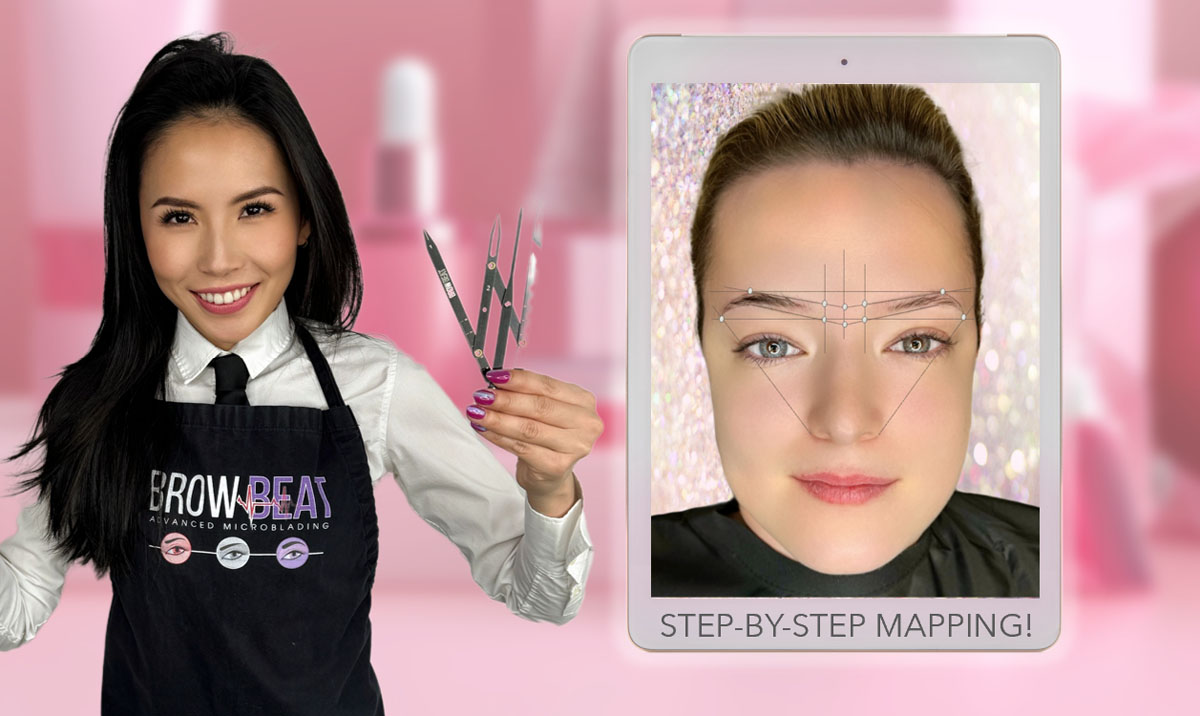
Mapping String
What it is: Pre-inked string for marking consistent landmarks.
How you use it: You’ll learn six go-to points to align brow head, arch, and tail with the client’s features. On paper first, then on partners/mannequins for placement confidence.
Why BrowBeat includes it: Mapping that’s repeatable under light time pressure keeps results believable and symmetrical.
Calipers & Rulers
What it is: Measuring tools that help verify proportions after string mapping.
How you use it: The distance between the brows needs to be in the golden ratio with the distance between the eyes.
Why BrowBeat includes it: Because “eyeballing” symmetry is a myth. Tools protect students from making mistakes.
Wax/Mapping Pencils
What it is: Skin-safe pencils that show clearly on hair and skin during consultations and practice.
How you use it: Outline conservative shapes, demonstrate options, and gain client alignment before you begin a service (post-training).
Why BrowBeat includes it: Clean pre-draws reduce revision time and support informed consent.
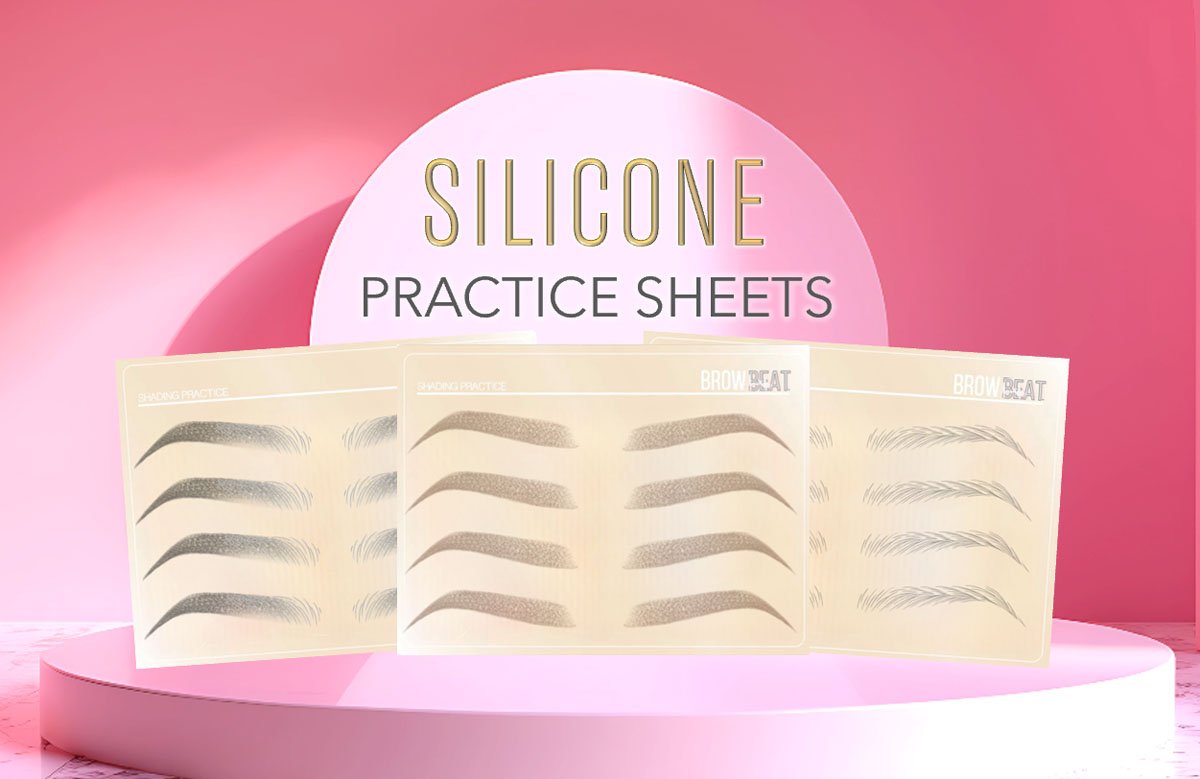
Silicone Skins (Flat & Brow-Shaped)
What it is: Practice surfaces that simulate resistance for line and pixel control.
How you use it: You’ll run repetition sets, and powder gradients for consistent fade from the front through the tail.
Why BrowBeat includes it: Because repetition on a predictable surface is how rhythm becomes automatic.
Silicone Practice Headbands (Microblading)
What it is: A positioning tool that helps you practice microblading strokes in a face-like orientation.
How you use it: You’ll feel how elbow height, body position, and wrist angle change your line. Mentors coach posture so you can work accurately without fatigue.
Why BrowBeat includes it: Microblading is handwork. Body mechanics matter; the headband helps you learn them safely.
Ring Cups & Disposables
What it is: Small disposables—cups for pigment, cotton swabs, barrier covers, razors, and more.
How you use it: Organized disposables keep you focused and clean. In class, mentors model an efficient tray so you can copy the setup at home.
Why BrowBeat includes it: Efficient setups reduce errors, protect hygiene, and make you faster without rushing.
Tweezers, Scissors & Brow Razors
What it is: Grooming tools for tidy mapping and clean edges (used thoughtfully and conservatively).
How you use it: Minor tidying keeps the mapped silhouette clear so your strokes/shading read correctly.
Why BrowBeat includes it: Clarity helps you execute better—and helps clients visualize the outcome.
Grip Tape & Machine Covers
What it is: Support items for comfort and barrier protection.
How you use it: Grip tape stabilizes your hand; barrier covers protect common touchpoints (demonstrated in class routines).
Why BrowBeat includes it: Comfort and cleanliness are habits you build from day one.
Consent Forms & Client Records
What it is: Ready-to-use templates for consent, and aftercare.
How you use it: In class you practice the conversation that accompanies paperwork—listening for red flags, setting expectations, and explaining healing.
Why BrowBeat includes it: Great artists communicate well. Forms support those conversations and keep your records organized.
See the full visual walk-through on our Kit page. If you’re mapping your calendar, open the schedule next.

Aftercare Training (How We Teach It—and Why Clients Love You for It)
Technique builds results; aftercare protects results. Your clients need clear, calm instructions they can follow without guessing. We practice the talk-through together so you can deliver it smoothly and consistently.
How We Teach the Healing Stages
- Days 1–3: Brows look darker and slightly thicker; that is normal. Keep the area clean, dry, and protected as instructed.
- Days 4–10: Flaking/itching may occur. Do not pick. Picking lifts pigment and leaves patchy healing.
- Days 10–20: Color can look “too light.” This is a normal “ghosting” phase as skin settles over pigment.
- After touch-up: Brows soften into their long-term tone and density. Follow aftercare again for the refresh.
Care Instructions We Practice Saying Out Loud
- Keep it clean: Follow the wash routine exactly as provided in your handout.
- Protect at night: Use band-aids/cover guidance exactly as shown in class materials.
- No makeup on the brows: Until fully healed.
- No heavy sweating, pools, or saunas: During the initial healing window.
- Hydrate lightly if instructed: Use only the product and amount we recommend—over-moisturizing can blur pixels.
We also coach the emotional timeline: day three “oh no it’s dark,” day seven “why is it flaking,” day twelve “did it all disappear,” and the quiet relief when the tone returns. Preparing clients for those feelings turns “panic calls” into “I knew this part was coming—thank you.”
Want to see how we present results and healed work? Browse the Gallery. For student feedback, read our Testimonials.
From Classroom to Calendar: A 30/60/90 Practice Plan
Graduation isn’t the finish line; it’s your launch. Here’s a simple, realistic plan many students follow to build speed and confidence without burnout.
Days 1–30 (Short Daily Reps)
- Ten minutes of microblading strokes on silicone headbands—name the pattern out loud while you work.
- Two powder gradients per week on silicone—focus on even pixels and clean fades.
- One combo “front texture + shaded tail” practice weekly.
Frequently Asked Questions (Dallas Certification + Kit)
How is this certification different from a short “intro” workshop?
It’s a structured, three-day program that covers both microblading and powder brows, plus combo logic, with a full professional kit. You don’t just try tools—you learn a repeatable method and leave equipped to keep practicing.
Do I need prior experience?
No. The curriculum is designed for beginners and working beauty pros. Simulation-first practice keeps you focused on mechanics and decision-making without the pressure of live models.
How long will the kit last?
It’s designed for weeks of practice and the early stage of your calendar. We recommend pre-purchasing 100 practice skins post class to account for the 200 practice hours required for pre-live model practice.
What do I bring to class?
Come as you are—comfortable, professional clothing and closed-toe shoes. We provide notebooks, pens, pencils, practice materials, and the full kit.
Will I get certificates?
Yes. Graduates receive certificates in Microblading, Powder (Ombré) Brows, and Combo Brows.
Where can I see more examples?
Visit the Gallery and Testimonials to see technique standards and student feedback.
How should I structure my service menu after class?
List microblading, powder, and combo as separate options with refresh/redos. Clear options communicate value and make it easy for clients to choose the right service.
How do I keep my photos consistent?
Use the same lighting and angles for every case. Pin hair back, avoid mixed color temperatures, and shoot front, ¾, and full-face sets. Consistency sells.
What if my hand still feels shaky?
That’s normal. The kit exists so you can build muscle memory and confidence at your pace.
Plan Your Next Step (Dallas)
- Check Dallas certification dates
- Microblading Certification overview
- See the student kit
- Business Solutions
- Student Testimonials
- Contact our team
BrowBeat Studio™ Dallas Microblading Certification and Training Academy — Dallas’s longest-running, PMU-specialized training academy for microblading, powder, and combo brows.