HOW PMU TRAINING WORKS

PROFESSIONAL SEMI-PERMANENT MAKEUP TRAINING PROGRAMS

If you’ve been searching how PMU training works, you’re usually trying to picture the real experience: what you do first, how skills build, and what a normal training day actually looks like. 


Strong programs follow a clear PMU training process—not random demos, not information overload, but a structured progression that makes the learning feel doable and repeatable. Most students want to know what to expect in PMU school before they commit.


In general, training begins with fundamentals that shape every decision you’ll make later: understanding how pigment behaves in skin, learning safe workspace habits, and getting familiar with tools and workflow order. This is the stage that answers the “why” behind the technique—because if you only copy motions without understanding them, results become inconsistent fast.


Next, the training shifts into skill-building phases. This is where PMU class structure matters. The best programs break complex techniques into smaller parts so you can practice them with intention. Instead of rushing toward a finished result immediately, students typically work through controlled drills, mapping and design planning, and step-by-step technique practice. You repeat, adjust, and repeat again—because repetition is where confidence is built.


Then comes the part that makes everything click: practice that mirrors real treatment flow. Many schools use structured simulation exercises so students learn the order of a service—setup, design planning, technique execution, and aftercare workflow. This is a big part of what happens in permanent makeup training: learning a system, not just a skill. Students start connecting timing, pressure control, posture, and consistency to the final outcome.


Another common question is how long PMU training takes. Timelines vary by program format and what’s included, but the goal of professional education is the same: clear stages, a realistic pace, and enough structure that you can track what you’re improving each step of the way. The right pace is the one that protects accuracy and builds skill—because precision always matters more than speed in PMU.

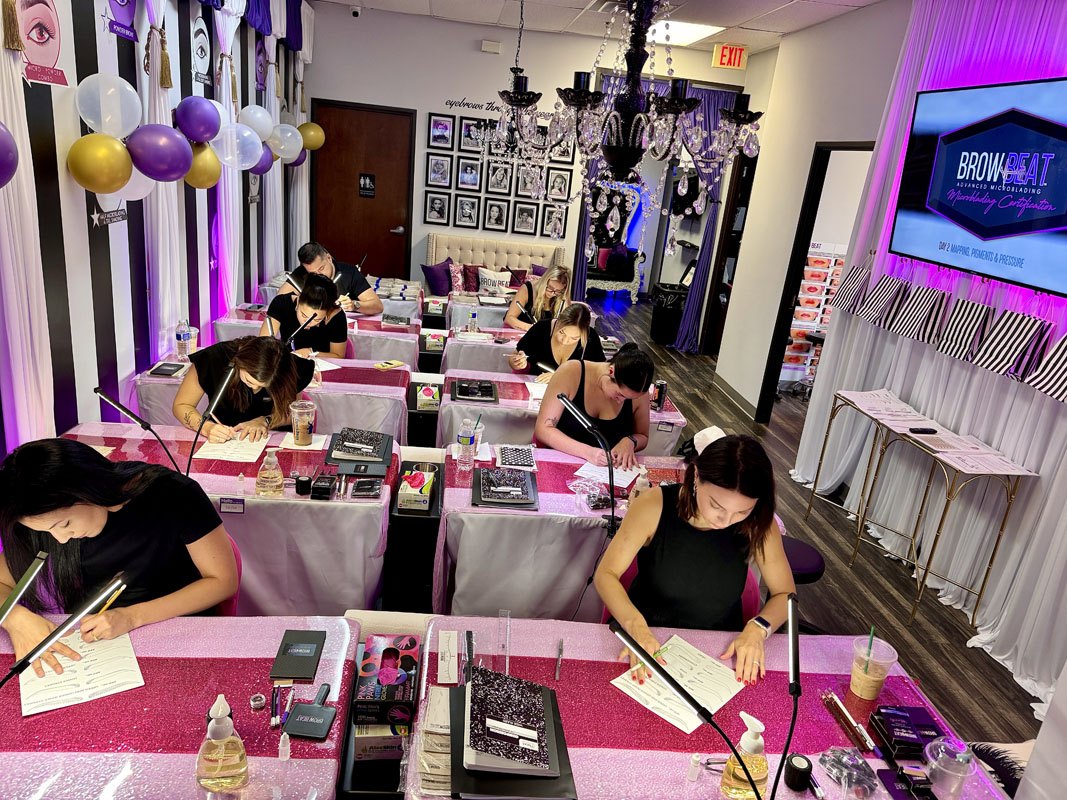
semi permanent makeup training classroom with students learning PMU techniques
inSIDE A SEMI-PERMANENT MAKEUP

TRAINING

Room

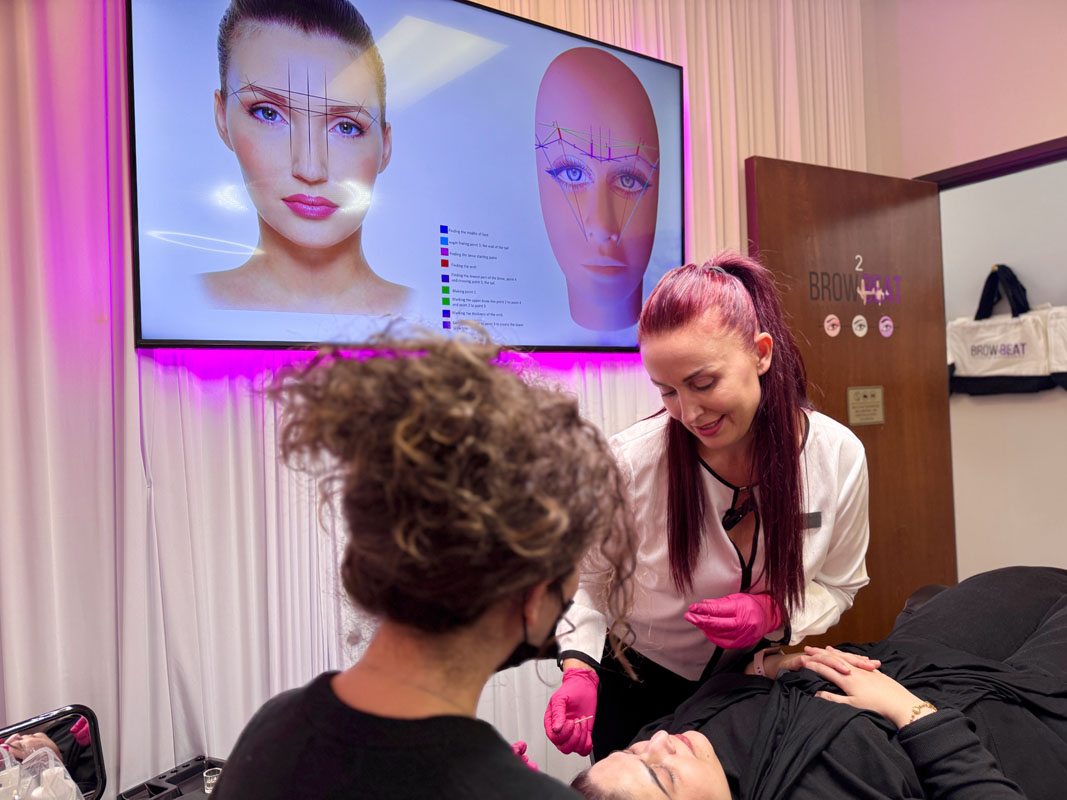
Professional semi-permanent makeup training begins in a structured classroom environment where theory, technique, and visual demonstration come together. Students are introduced to the full PMU training process, including how permanent makeup techniques are taught, practiced, and built upon throughout the course.

pmu theory &

foundational

Knoweledge

Understanding how semi-permanent makeup training works starts with theory. Students learn skin structure, pigment behavior, sanitation standards, and treatment planning before moving into hands-on application. This phase establishes the framework used throughout PMU training programs.

permanent makeup theory training in PMU school
step by step PMU training process demonstration
step - by - step pmu

training

Process

Rather than learning everything at once, professional PMU training follows a step-by-step system. Each phase builds on the last, allowing students to understand what happens in permanent makeup training and how skills develop over time.

practical learning

in pmu

School

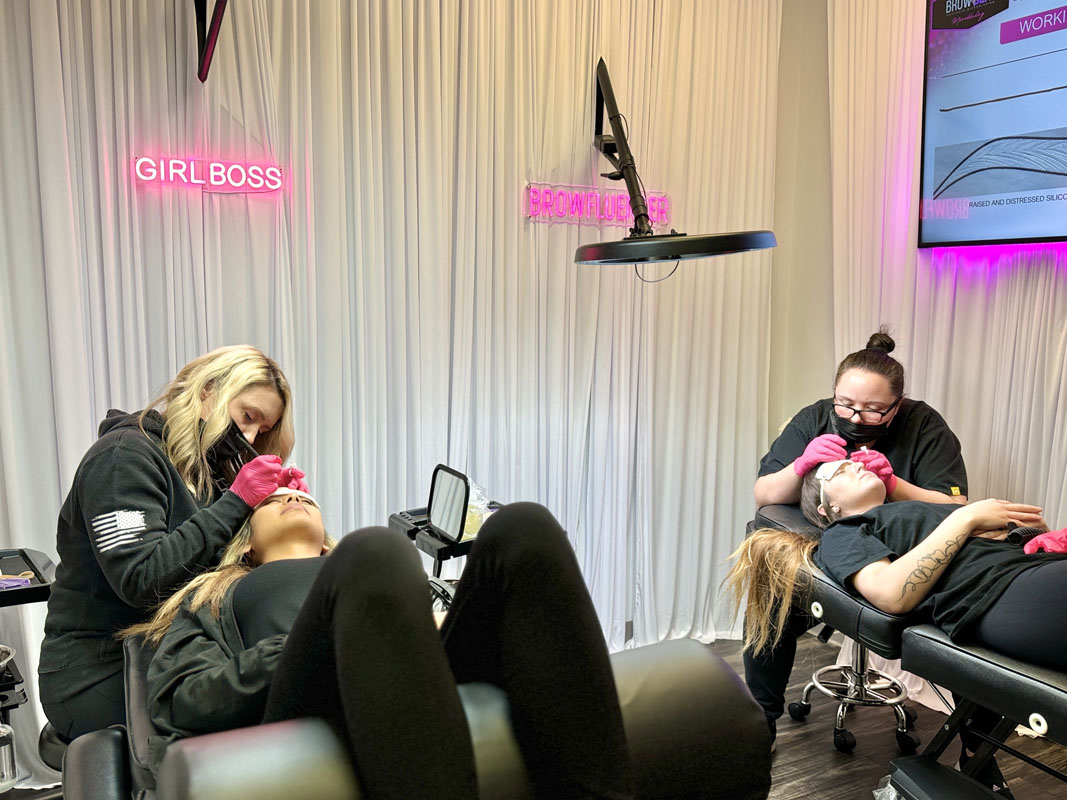
Practical learning bridges the gap between theory and application. Students practice techniques under supervision, reinforcing how permanent makeup training works in real treatment scenarios while maintaining consistency and control.

practical permanent makeup training session
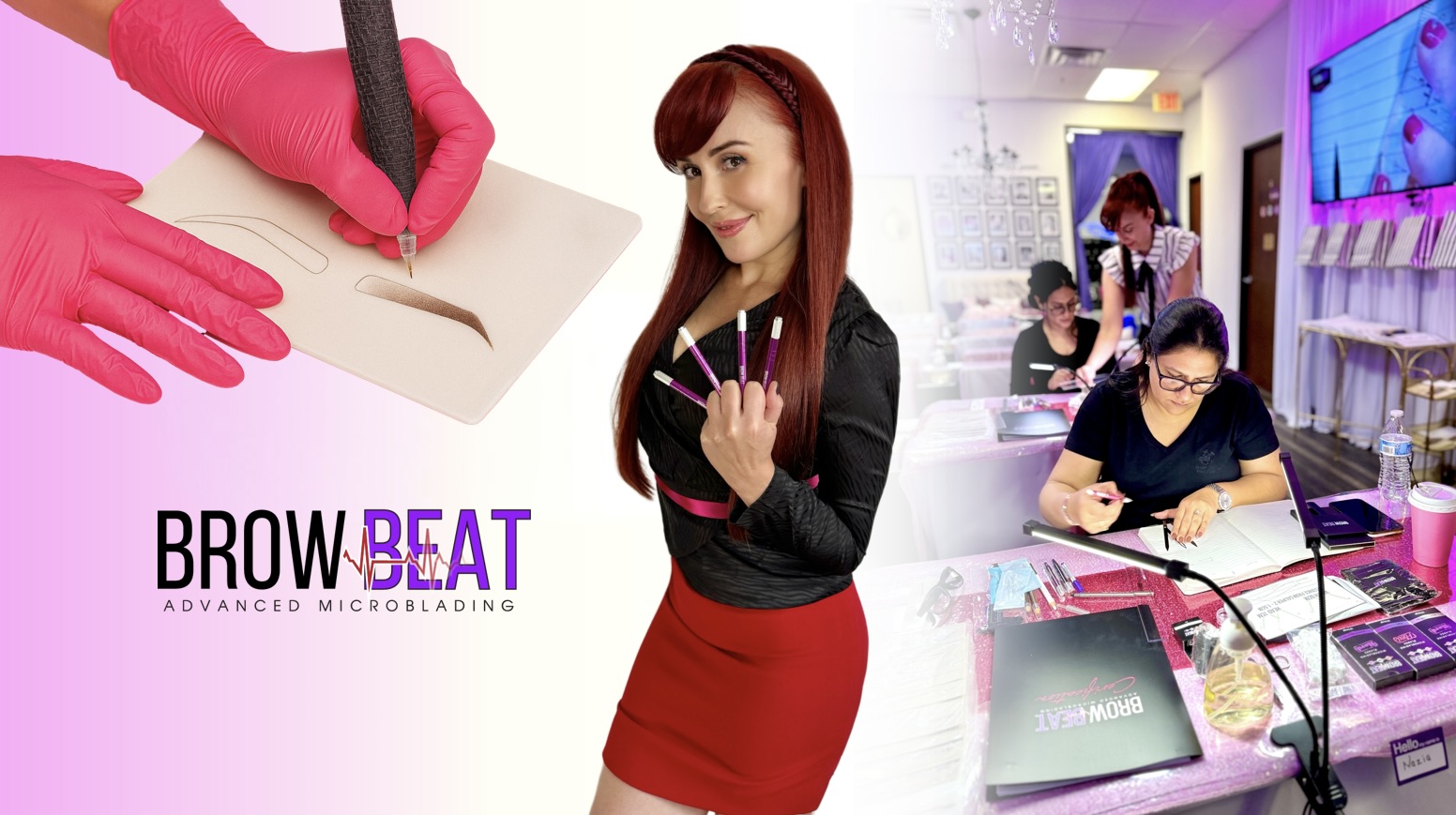
PMU student using step-by-step training documents during semi-permanent makeup certification
support documents and...

Step-by-step

Systems

Step-by-step support documents help PMU students follow a clear training sequence, reinforcing technique order, treatment flow, and consistency throughout semi-permanent makeup education.

simulation

based pmu

Training

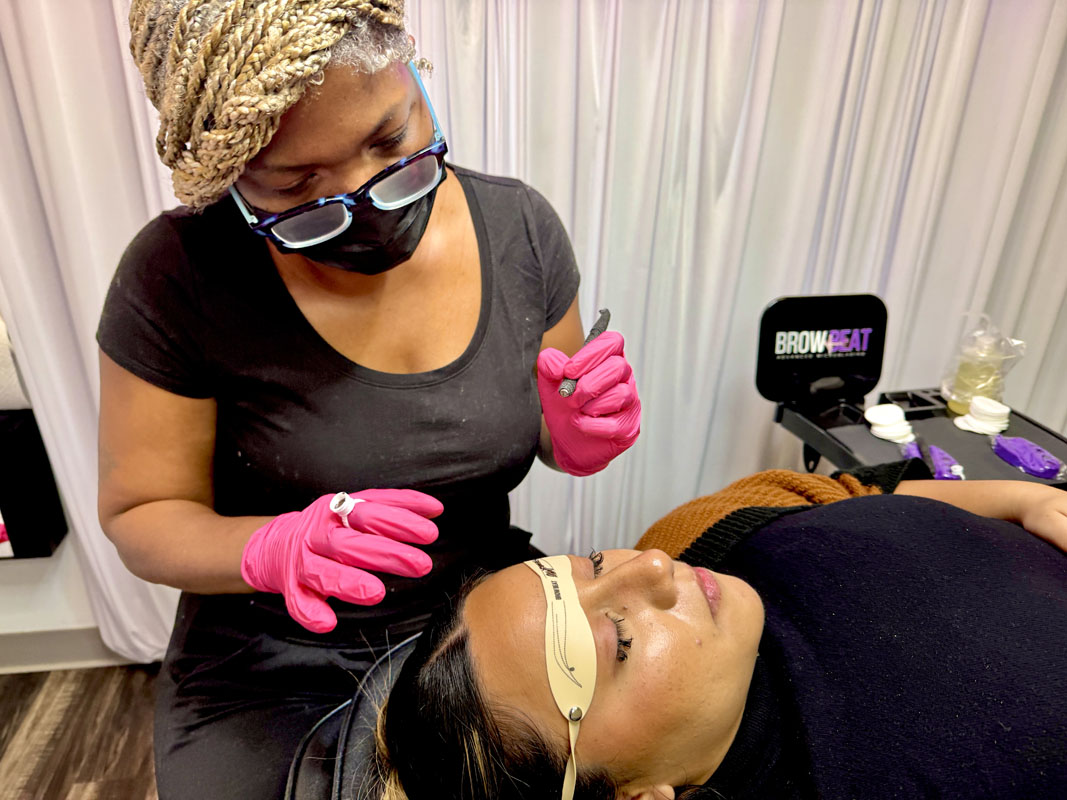
Simulation exercises allow students to apply permanent makeup techniques in a controlled environment. This phase helps clarify PMU class structure and reinforces treatment sequencing before working in live settings.

simulation exercises in permanent makeup training
PMU class structure during semi permanent makeup training
class structure &

learning

Flow

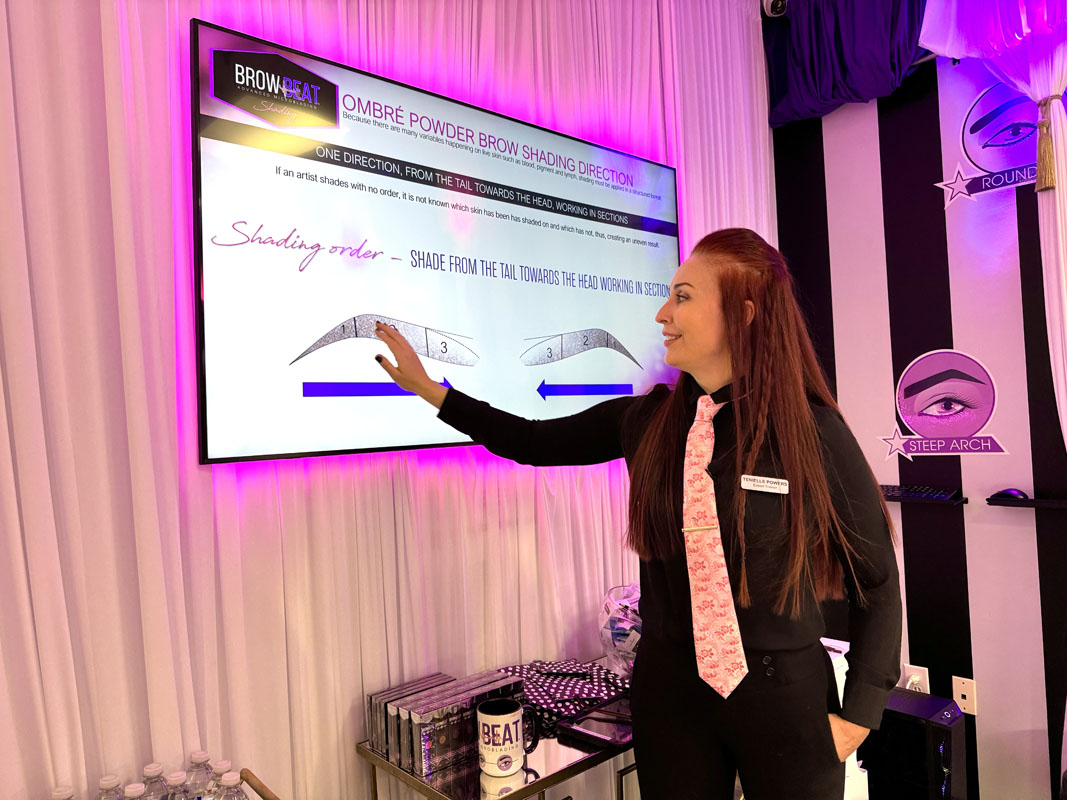
PMU classes are intentionally structured to balance instruction, observation, and repetition. This structure helps students understand how long PMU training takes and how each learning phase fits into the overall certification process.

guided instruction

in pmu

Training

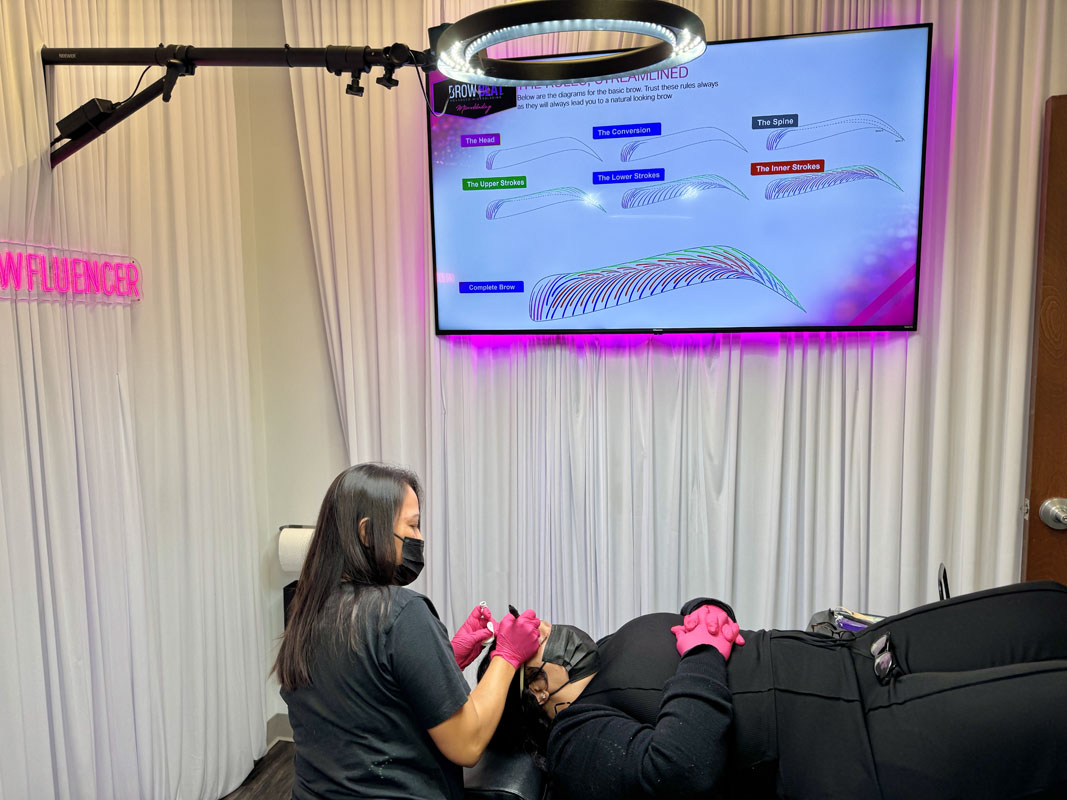
Instructor guidance plays a critical role in helping students understand the PMU training process. Direct feedback and correction support skill refinement while maintaining safety and technique standards.

nstructor guidance during permanent makeup training
progression through permanent makeup training program
progression through

pmu

Training

As training progresses, students move through increasingly advanced concepts while reinforcing earlier lessons. This progression explains what happens in permanent makeup training from start to finish and why structured programs matter.

If you want to see how this training process fits into a full certification pathway, visit our semi-permanent makeup certification in Texas overview to explore program options and next steps.