

Last Updated: January 2026
Nurses develop strong technical skills, precision habits, and patient-centered communication — qualities that translate naturally into semi-permanent makeup training.
Many healthcare professionals are now exploring microblading and ombré powder brow certification as a way to expand professional skill sets while applying their existing experience in skin awareness, sanitation protocols, and procedural structure.
Why Nurses Are Well-Suited for Brow Certification Training
Nursing requires attention to detail, steady hands, and structured workflow execution. These same traits are essential when performing brow treatments.
Microblading and shading techniques demand controlled pressure, symmetry awareness, and precise pigment placement — skills nurses already develop through clinical environments.
Because of this overlap, many nurses adapt quickly to brow training programs.
Understanding the Technical Side of Microblading
Microblading is a hairstroke technique that places pigment into the upper layers of skin using controlled manual movements.
The goal is to create realistic hair-like strokes that blend seamlessly with the client’s natural brow structure.
This process requires:
- Fine motor control
- Consistent hand pressure
- Symmetry accuracy
- Mapping precision
These technical requirements align closely with clinical skills nurses already practice daily.
Why Ombré Powder Brows Complement Microblading Training
Ombré powder brows create soft gradient shading that builds brow density and makeup-style definition.
Learning both microblading and shading allows professionals to offer customized treatment options based on skin type, facial structure, and client preference.
Comprehensive programs integrate these techniques together rather than separating them into multiple courses.
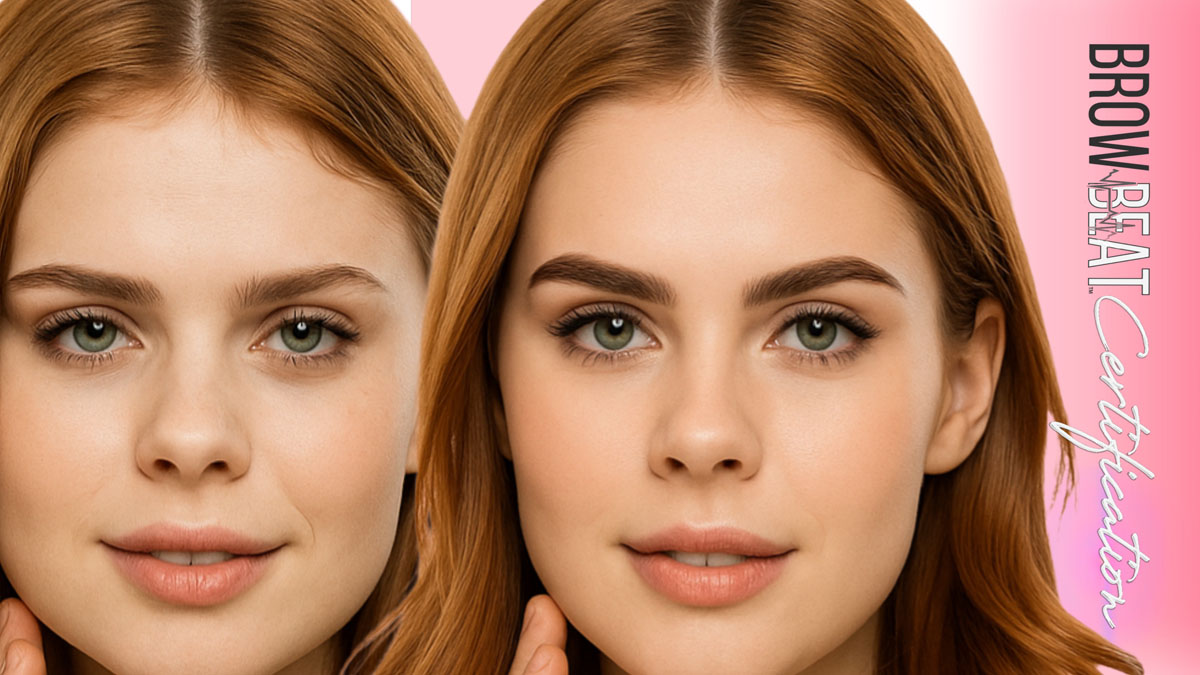
Professional Mapping Systems Appeal to Analytical Learners
Brow mapping relies on facial proportions, alignment reference points, and symmetry planning.
For nurses who enjoy structured protocols, mapping systems provide a methodical framework for treatment design.
Mapping training teaches artists how to design brows using consistent measurement strategies instead of relying on estimation.
Why Nurses Often Explore Certification Programs in Dallas
Dallas has become a central training destination for brow certification programs due to experienced instructors, strong industry demand, and structured learning environments.
Healthcare professionals researching programs often begin by reviewing options such as Dallas brow training for microblading, powder, and combo techniques to better understand course structure.
Learning Multiple Techniques Within One Certification Program
Instead of enrolling in separate classes, comprehensive programs allow nurses to learn microblading, ombré powder brows, and foundational combo brow concepts in one structured certification experience.
Students interested in integrated skill training often explore the advanced brow training programs in Dallas when comparing certification pathways.
Why Clinical Experience Helps With Client Confidence
Clients naturally feel more comfortable working with professionals who demonstrate strong hygiene awareness and procedural confidence.
Nurses already understand:
- Barrier protection methods
- Skin preparation protocols
- Aftercare education importance
- Professional communication standards
This background supports smoother transitions into cosmetic tattoo training environments.
Sanitation Training Is Already Familiar Territory
Microblading and ombré powder brow certification programs include sterilization procedures, equipment wrapping methods, and cross-contamination prevention protocols.
For nurses, these standards feel familiar rather than overwhelming.
Understanding clean treatment setup allows students to focus more energy on mastering technique instead of adjusting to hygiene basics.
Why Structured Certification Programs Matter
Not all brow training programs offer the same depth of education.
Healthcare professionals often prefer programs that include:
- Organized learning schedules
- Hands-on simulation exercises
- Mapping systems
- Technique progression
- Tool familiarity training
When researching options, many nurses review programs such as hands-on microblading and powder brow training in Dallas to evaluate structured learning formats.

Learning Hairstroke Techniques Builds Artistic Precision
Microblading hairstroke training teaches students how to design natural-looking brow patterns using directional stroke placement.
This requires:
- Stroke angle awareness
- Pressure consistency
- Skin response evaluation
- Symmetry development
Many nurses enjoy the balance of technical execution and creative design.
Ombré Powder Brows Add Depth to Skill Sets
Ombré powder brows allow practitioners to create fuller, shaded brow designs that provide longer-lasting density compared to hairstrokes alone.
Learning both techniques gives professionals flexibility when working with different skin types and brow goals.
Students often research powder brow and microblading certification programs with kits included to understand equipment requirements and course structure.
Combo Brows Expand Treatment Customization
Combo brows combine hairstroke placement with shading techniques.
This hybrid approach allows artists to customize brow results while maintaining natural structure.
While microblading and powder brows remain primary techniques, combo brow training adds additional creative flexibility.
Why Nurses Appreciate Detailed Course Schedules
Structured multi-day certification programs outline training progressions clearly.
This includes:
- Mapping education
- Stroke pattern practice
- Machine shading instruction
- Business workflow overview
Healthcare professionals often prefer programs that clearly define daily learning objectives.
Understanding Business Education Inside Certification Programs
Many brow certification courses also include foundational business training.
This helps students understand:
- Appointment structure
- Client communication standards
- Service workflow organization
- Professional documentation practices
Nurses transitioning into cosmetic services often appreciate having operational frameworks included.
Why Beginners Can Enter Brow Training Programs
Microblading and ombré powder brow certification programs are designed to accommodate beginners.
No prior beauty license is required to begin learning technique foundations.
Structured training focuses on:
- Skill progression
- Practice repetition
- Mapping consistency
- Equipment familiarity
What Nurses Should Look For When Choosing Training
When evaluating certification programs, nurses should look for:
- Multiple brow techniques included
- Mapping education depth
- Hands-on practice opportunities
- Organized training schedules
- Clear course outlines
Many students review why choose microblading and powder brow certification in Dallas when narrowing training options.

Frequently Asked Questions for Nurses Considering Brow Certification
Is microblading training difficult for healthcare professionals?
Nurses often adapt quickly due to procedural experience, steady hand control, and comfort with structured workflows.
Can beginners without beauty backgrounds enroll?
Yes. Certification programs are designed to teach technique foundations from the beginning.
How long does certification training usually take?
Training programs typically include structured multi-day in-person learning combined with skill development exercises.
Do nurses need special artistic experience?
No prior artistic background is required. Technique precision is developed through guided practice.
Is brow mapping difficult to learn?
Mapping systems are taught step-by-step using facial reference points and measurement techniques.
Why Dallas Remains a Popular Training Destination
Dallas continues to attract students due to experienced instructors, established training programs, and strong industry infrastructure.
Students often begin their research with learn microblading and ombré brows in Texas when exploring certification pathways.
Building Professional Confidence Through Certification
Completing structured certification programs allows nurses to develop new technical abilities while maintaining professional standards.
Training environments emphasize:
- Skill accuracy
- Safety protocols
- Workflow structure
- Professional consistency
Next Steps for Nurses Interested in Brow Certification
Nurses exploring cosmetic tattoo education can begin by reviewing course outlines and training schedules.
Those interested in comprehensive programs may explore the main certification overview at BrowBeat Studio Dallas Microblading Certification and Training Academy.
Structured training provides beginners with organized skill development while building long-term professional confidence.