
Last Updated: January 2026
Many licensed estheticians enter the beauty industry with passion, dedication, and strong technical knowledge — only to discover that traditional treatment services often require high appointment volume to maintain consistent income.
Facials, waxing, and advanced skin treatments are valuable services, but they frequently rely on short appointment windows, high client turnover, and physically demanding schedules.
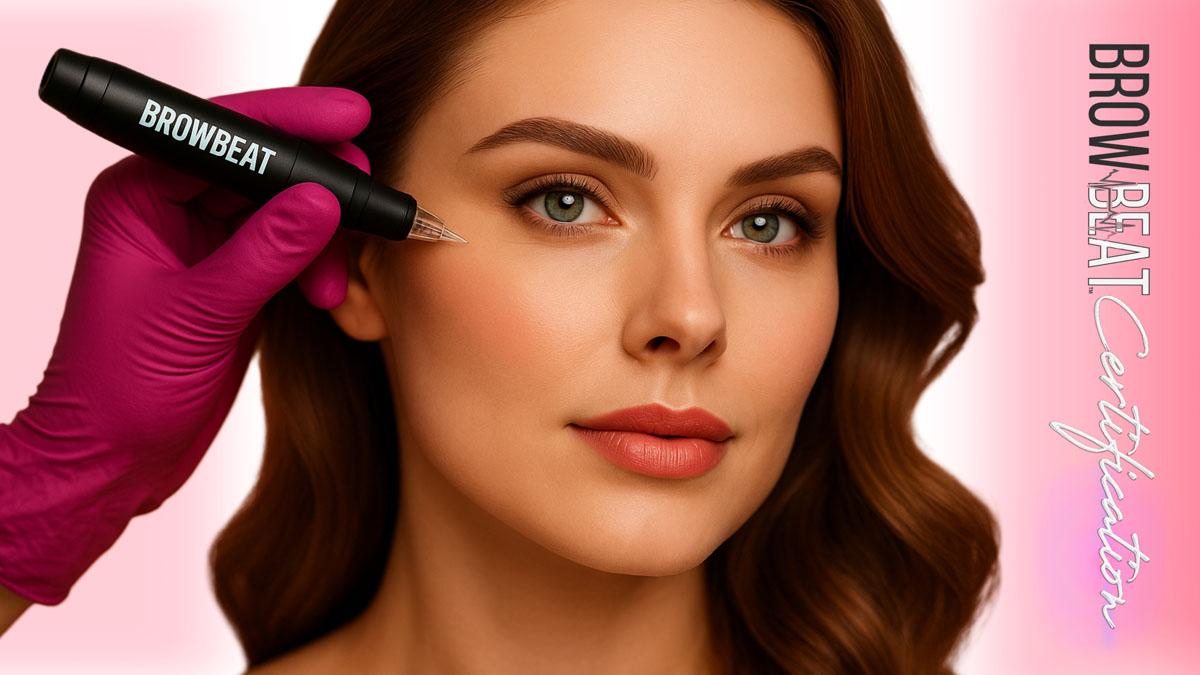
This is why more estheticians are exploring advanced semi-permanent makeup education, specifically microblading and ombré powder brow certification training.
Why Estheticians Are Naturally Aligned With Brow Tattoo Training
Estheticians already develop core professional skills that translate well into cosmetic tattoo education.
- Skin analysis experience
- Client consultation confidence
- Sanitation awareness
- Precision hand control
- Understanding of healing cycles
These foundational skills allow estheticians to adapt quickly to brow mapping systems, pigment implantation techniques, and procedural workflows taught inside structured certification programs.
What Is Microblading and Why It Appeals to Estheticians
Microblading is a manual cosmetic tattoo technique that creates fine hairstroke patterns designed to mimic natural eyebrow hair growth.
This technique uses precise hand movements, controlled pressure, and mapping accuracy — all skills that estheticians already develop through facial treatments, extractions, and skin procedures.
Microblading training focuses on:
- Stroke pattern development
- Pressure consistency
- Depth control
- Skin response awareness
- Symmetry and balance
Because estheticians already understand skin behavior and healing phases, learning hairstroke execution often feels like a natural progression.
Why Ombré Powder Brows Are Becoming a Core Certification Skill
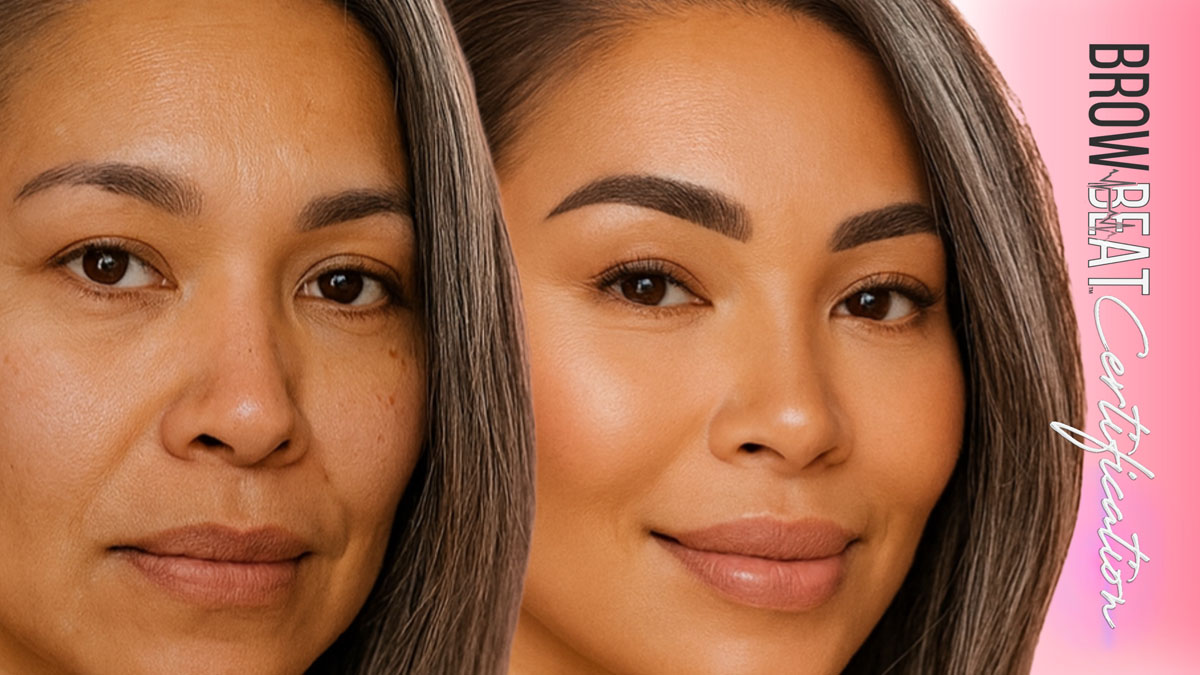
Ombré powder brows use machine shading techniques to create soft, layered brow density with a gradient finish.
This method offers longer-lasting visual structure and works well across multiple skin types.
Estheticians often appreciate powder brow training because it:
- Provides artistic shading control
- Allows customizable density
- Creates soft makeup-style finishes
- Expands treatment versatility
Many certification programs now teach both microblading and ombré powder brows together to create a complete brow education pathway.
How Semi-Permanent Makeup Training Fits Into Existing Esthetics Skills
Unlike traditional treatments that require constant rebooking frequency, brow tattoo procedures follow longer treatment cycles.
This allows estheticians to diversify service offerings while maintaining manageable schedules.
Professional brow training focuses on:
- Client intake documentation
- Mapping structure
- Treatment workflow sequencing
- Aftercare education
- Professional hygiene protocols
These structured processes mirror many procedures estheticians already perform daily.
Why Certification Programs Matter for Career Expansion
Adding cosmetic tattoo services requires professional training through structured certification programs.
Comprehensive courses typically include:
- Hands-on simulation exercises
- Brow mapping systems
- Stroke and shading technique instruction
- Equipment operation training
- Workflow organization
Many estheticians research programs such as microblading certification training when exploring professional advancement options.
How Brow Mapping Supports Treatment Precision
Brow mapping is a critical foundation of cosmetic tattoo training.
It teaches students how to measure facial proportions and design balanced brow structures.
Mapping education focuses on:
- Facial symmetry analysis
- Reference point placement
- Shape alignment
- Tail positioning
Estheticians often enjoy mapping because it combines artistic design with measurable structure.

Why Combo Brows Remain a Secondary Skill Option
Combo brows combine hairstrokes with shading techniques.
While useful for select clients, certification programs often emphasize mastering microblading and powder brows first before adding hybrid techniques.
This progression ensures strong foundation development before advanced blending methods.
Training Programs Designed for Beginners
Microblading and powder brow certification courses are structured to support beginners entering the cosmetic tattoo field.
Programs focus on step-by-step learning progression, allowing students to build skill confidence gradually.
Many estheticians review learn microblading in Dallas training options when evaluating certification pathways.
Why Dallas Has Become a Training Hub
Dallas continues to attract students from across Texas and surrounding states due to experienced instructors, established programs, and comprehensive certification structures.
Training environments emphasize technical accuracy, professional standards, and structured skill development.
Building a Long-Term Skill Foundation
Certification programs are designed to teach more than just technique.
Students learn:
- Professional treatment sequencing
- Client communication frameworks
- Equipment setup protocols
- Documentation standards
This allows estheticians to integrate cosmetic tattoo services into existing professional workflows smoothly.
What Estheticians Learn Inside Professional Brow Certification Programs
Unlike short workshop-style classes, structured certification programs guide students through a layered education process.
This allows estheticians to move from theory into controlled practice environments before applying skills in real treatment workflows.
Training commonly includes:
- Skin anatomy education
- Pigment selection principles
- Machine handling techniques
- Manual stroke pattern development
- Sanitation and barrier control procedures
Programs such as ombré powder brow certification training help students understand how shading techniques differ from manual hairstroke implantation.
How Simulation Exercises Improve Skill Confidence
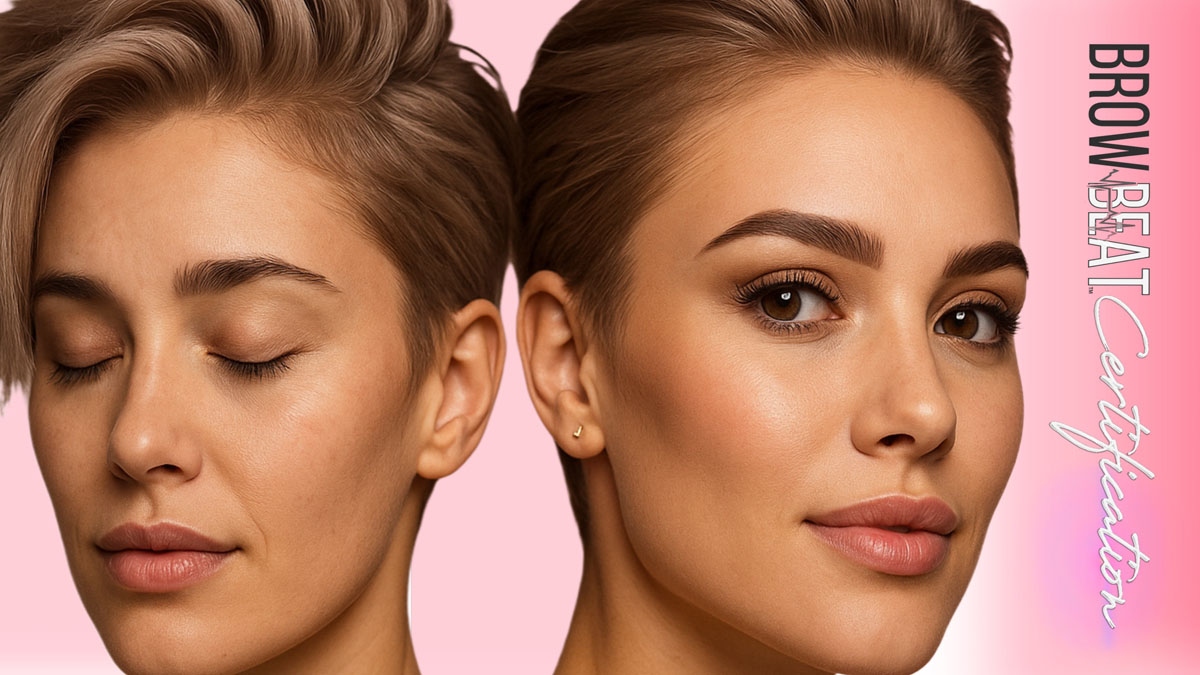
Professional cosmetic tattoo programs emphasize simulation training before transitioning into treatment environments.
Simulation exercises allow students to:
- Practice pressure control
- Build muscle memory
- Refine machine movement
- Develop stroke rhythm
This gradual progression helps estheticians develop steady hand technique and confidence without rushing the learning process.
Understanding Equipment and Machine Operation
Ombré powder brow training includes education on PMU machine setup and cartridge selection.
Students learn:
- Machine voltage control
- Needle configuration selection
- Grip positioning
- Depth management
These skills allow estheticians to perform shading procedures with precision and consistency.
Why Brow Tattoo Training Requires Structured Education
Cosmetic tattoo procedures require deeper technical responsibility than traditional esthetic treatments.
Professional programs emphasize:
- Infection prevention protocols
- Cross-contamination prevention
- Workspace organization
- Procedure sequencing
This ensures students understand safety standards alongside artistic technique.
How Microblading and Powder Brows Work Together
Many estheticians appreciate learning both manual and machine techniques because it expands treatment flexibility.
Microblading offers hairstroke realism, while powder brows provide structured density.
Understanding both allows professionals to customize treatment approaches based on client preferences and skin characteristics.
Time Commitment Expectations for Training
Certification programs are structured to allow flexible scheduling.
Students typically complete coursework through a combination of in-person instruction and guided practice assignments.
This format allows estheticians to continue working while developing new skills.
Frequently Asked Questions About Brow Certification Training
Do I need previous tattoo experience?
No. Certification programs are designed to train beginners with no tattoo background. Esthetics experience often provides a helpful foundation, but prior tattoo work is not required.
Is microblading difficult to learn?
Like any technical skill, microblading requires practice and repetition. Structured programs break the learning process into manageable steps.
Can I learn both microblading and powder brows together?
Yes. Many programs teach both techniques within the same certification pathway to provide well-rounded brow education.
How long does it take to complete training?
Most students complete core training components within several months depending on personal schedules and practice pacing.
Is artistic ability required?
Strong artistic talent is helpful but not mandatory. Mapping systems and structured design frameworks support students as they develop aesthetic judgment.
Why Certification Quality Matters
Choosing the right training program impacts long-term skill development.
High-quality certification courses emphasize:
- Instructor experience
- Structured curriculum design
- Hands-on practice opportunities
- Comprehensive technique coverage
Many students explore programs such as microblading academy Dallas training options when researching education pathways.
Career Expansion Opportunities for Estheticians
Adding brow tattoo services allows estheticians to diversify treatment offerings.
This diversification can help stabilize booking schedules while offering advanced cosmetic services.
Many professionals also explore business education through resources such as business solutions training to support long-term growth.
Final Thoughts on Expanding Your Skill Set
Microblading and ombré powder brow certification programs provide estheticians with structured education pathways into cosmetic tattoo services.
By combining skin knowledge, artistic development, and technical training, estheticians can broaden professional capabilities and offer advanced beauty treatments.
Start Your Certification Journey
If you’re ready to expand your professional skill set and explore cosmetic tattoo training, structured certification programs are available.
Schedule your training enrollment today and begin building your future in semi-permanent makeup education.