

Why Mature Clients Need a Different Semi-Permanent Makeup Strategy
Mature clients are not “difficult”; they are simply different. Their skin has lived more life. It has experienced hormones, sun, stress, cosmetic products, previous brow grooming, and sometimes earlier tattooing. When a mature client lies on your bed and says, “I just want my brows back,” your job is to see more than just the missing hair. You must read the skin.
How Mature Skin Behaves Under the Blade or Needle
Compared to younger clients, mature skin often shows:
- Thinner, more delicate tissue in the brow area, especially around the tail and outer third.
- Reduced elasticity, meaning it does not “snap” back as quickly when you stretch it for your strokes or passes.
- Greater dryness or dehydration, which changes how your blade or needle glides across the surface.
- Visible capillaries and redness, increasing the chance of bleeding if pressure and depth are not well controlled.
- Slower, more complex healing, with a higher possibility of patchy or uneven retention if the technique does not match the skin’s reality.
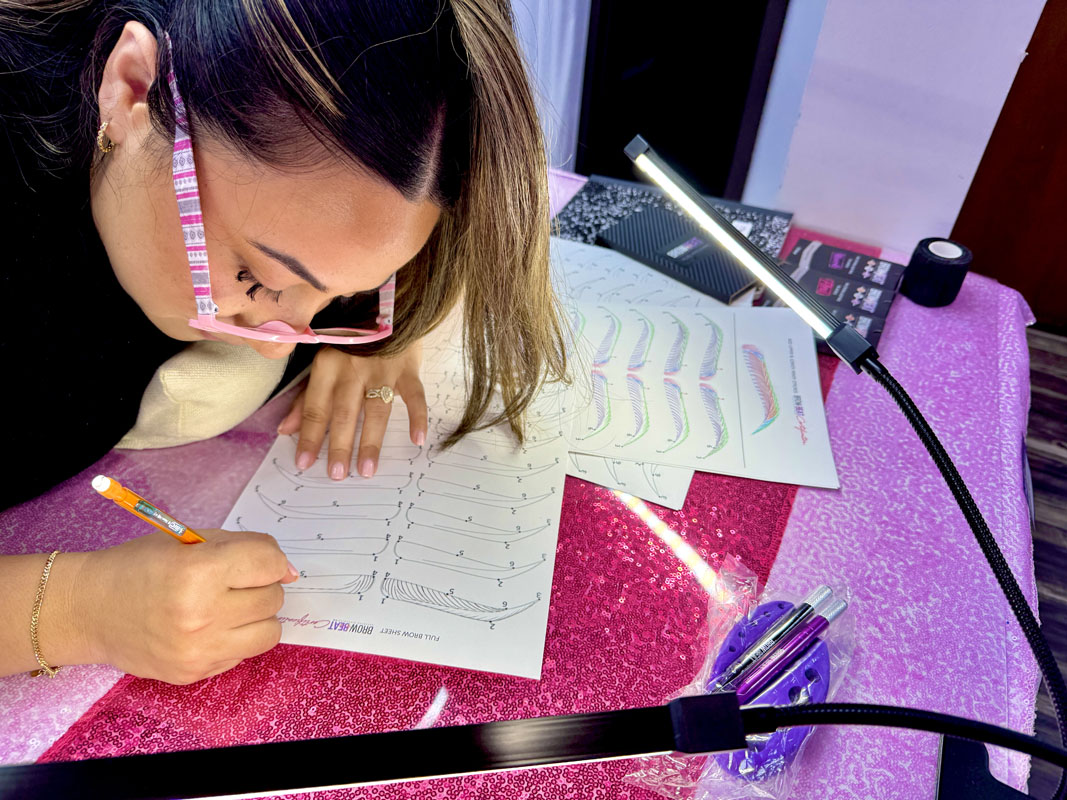
The Hard Truth About Microblading on Mature Skin
Now we need to be honest in the way working artists talk, not in soft marketing language. Microblading is a cutting technique. Each stroke is a small, controlled incision that deposits pigment into the upper layers of the skin. When done well, the effect can look like delicate hair. The problem is not the first set; the real story unfolds over the next several years.
Your mature clients will come back. That is the goal. If their brows look good, if they feel cared for, they will return to you every 12–18 months for a refresh. With microblading, that refresh usually means re-cutting into the general area of the same strokes. Even if your mapping changes slightly and your pattern is refined, the core concept remains: you are cutting into skin that has already been cut.
What Repeated Microblading Can Do Over Time
Over multiple sessions, especially on mature skin, you may notice:
- Strokes that slowly blur or haze as the skin softens, making once-crisp lines look more like a soft wash of color.
- Cooler undertones and odd color mixes as new pigment layers over old pigment that has shifted and settled inside the skin.
- Subtle thickening or texture changes where the same pathway of strokes has been cut and healed repeatedly.
- Uneven retention from stroke to stroke, where some cuts hold pigment and others heal out or blur away.
None of this makes microblading “evil” or wrong. It simply makes it what it truly is: a cutting-based technique with a cumulative effect. Mature skin shows this cumulative effect more quickly. When you ignore that reality, you set yourself up for frustration. When you acknowledge it, you unlock the opportunity to become a smarter, more strategic artist.
Reframing “Damage”: From Fear to Long-Term Strategy
All client treatments begin with education. Spend time talking transparently and professionally about microblading:
- Microblading uses micro-incisions to place pigment into the skin.
- Every incision is a controlled trauma that the skin must repair.
- When you cut the same area repeatedly over years, the tissue inevitably changes.
- Mature skin reveals those changes more clearly and more quickly.
You ask better questions: Where should I use strokes, and where should I shade instead? How can I reduce the number of full re-cuts I perform over a decade with a client? How can I protect this skin so that, five or ten years from now, I still have options?
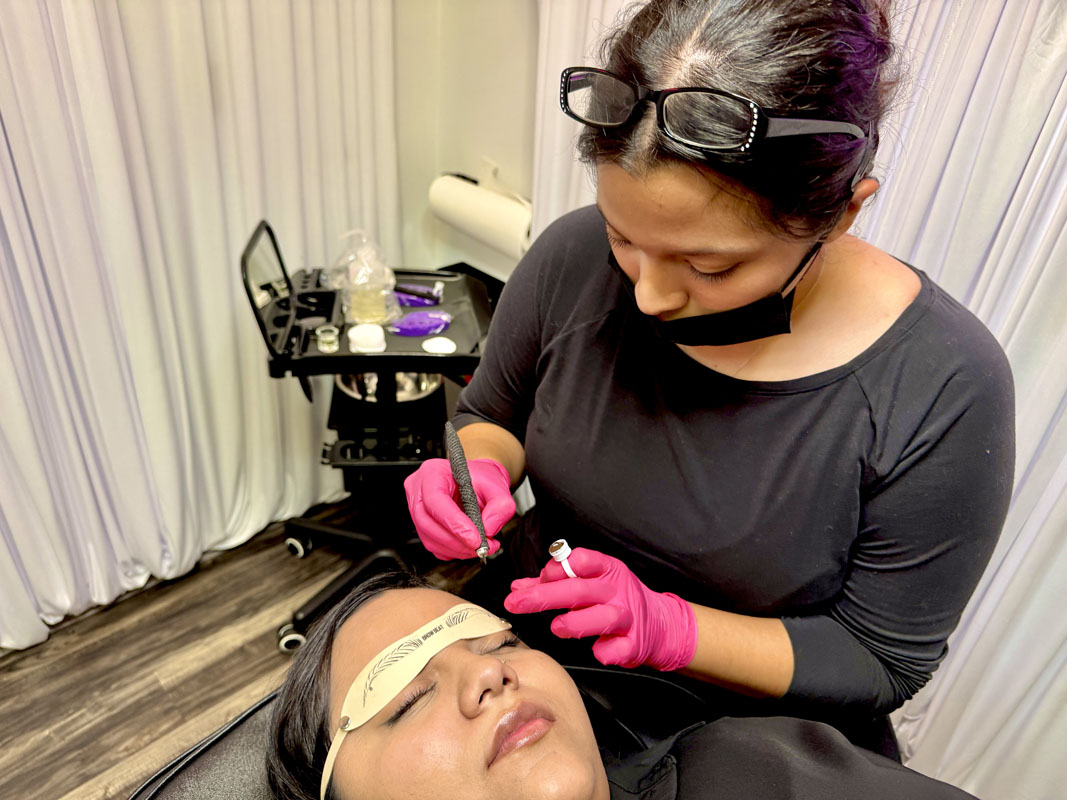
Why Shaded Brows Are the Long-Term Heroes for Mature Clients
Unlike microblading, shaded brows use a machine to place tiny pixels of color into the skin. Instead of dragging a blade through the tissue, you are gently tapping or moving a configured needle across the surface, creating a dusting of pigment. When layered properly, these pixels build a brow that looks soft, filled-in, and dimensional, like makeup that never washes off.
For mature skin, this difference in application method changes everything:
- Less impact per contact point because the needle is touching and lifting, not slicing through in a single long movement.
- Softer edges and transitions that flatter fine lines, texture changes, and natural skin movement.
- More forgiving healing, because a field of pixels can fade together more gracefully than individual cuts.
- Better long-term flexibility, as you can refresh shading with lighter passes without needing to re-cut individual strokes.
Most importantly, shading respects the fact that you will see this client again and again. Mature clients with shaded brows can have workable, flexible brows for a decade or more because you are building color in layers rather than carving the same pathways over and over.
What Are Ombré Brows, Powder Brows, Microshading, Micro-Powder Brows, and Micropigmentation?
Semi-permanent makeup is full of terminology, and new artists can easily feel like each new word represents a completely different service. In reality, many popular terms describe variations of the same shading concept. Here is a clear breakdown.
Shading Terms in Point Form
- Ombré brows: A shaded brow that is lighter at the front and gradually deeper toward the tail, creating a gradient effect similar to soft makeup.
- Powder brows: A brow that looks like it has been filled in with brow powder—soft, diffused, and fully shaded from front to tail, with subtle variations in intensity.
- Microshading: Another word for shading, its mainly the same, a technique that uses tiny dots or pixels to create a soft, shaded brow instead of individual hair strokes.
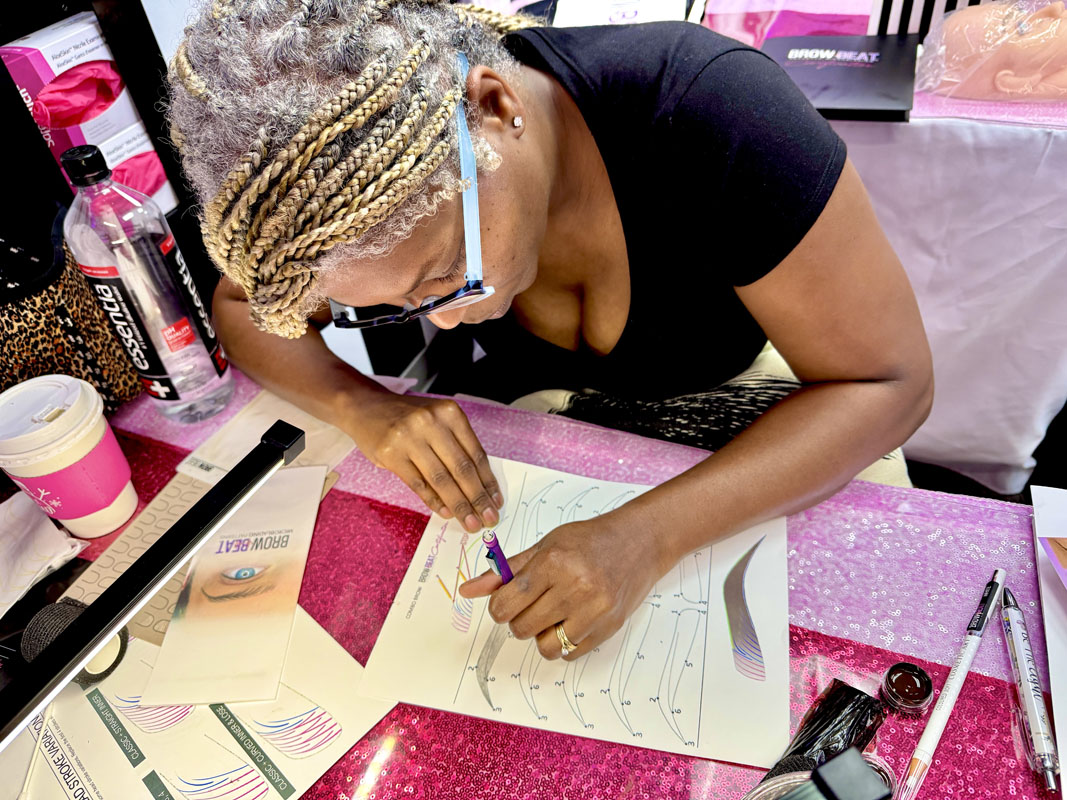
- Micro-powder brows: Another name for a pixel-based shaded brow, emphasizing the powdery, makeup-like end result.
- Micropigmentation: A broader term for implanting pigment into the upper layers of the skin using a machine—used for brows, lips, eyeliner, and other semi-permanent makeup treatments.
All of these terms live on the same branch of the tree. They are not five radically different services; they are marketing and style labels for a shared core idea: machine-based shading built from tiny pixels. One trainer might call their method “ombré powder brows.” Another might talk about “microshading” or “micro-powder brows.” The fundamental mechanics—machine, needle, depth, movement, and layering—are very similar. What changes is how intense the shading is, how soft or bold the edges are, and how the gradient is built from the front of the brow to the tail. Once you understand the underlying shading technique, the vocabulary stops being confusing and becomes flexible language you can use to communicate style to your clients.
This is why investing in an ombré powder brow certification course is so valuable for artists working with mature clients. You are not just copying names—you are learning how to create soft, pixel-based brows that can be safely refreshed over years.
Microblading Does Not Always Fade “Perfectly”—How to Reframe That in a Positive Way With Your Clients
One of the hardest truths for new artists to accept is that microblading does not always fade in a clean, even way, especially on mature skin. Strokes can spread, haze, or cool. The skin can hold onto certain segments of the pattern more than others. When you look at brows that have been microbladed several times over ten years, you may see a history of each session living in the skin.

- You are not stuck re-cutting the same pattern forever; you can transition mature clients into shading.
- You gain more tools to support your clients as their skin changes.
- You can correct and soften old work more gracefully with layers of pixels.
- You protect your reputation by prioritizing skin health over chasing ultra-crisp strokes at all costs.
When you talk to clients about this, you do not need to scare them. You can simply explain that as time passes, the skin prefers gentler, layered shading techniques, and that ombré powder brows or microshading are designed to work with mature skin in a softer, more forgiving way.
Brows Over a Decade: Designing with the Future in Mind
Think about a single mature client over ten years. During that time, her skin may continue thinning, her natural hair may change, and her color preferences may shift. If you commit her fully to microblading alone, you are limited by the skin’s tolerance for repeated cutting. If you introduce shading early and use strokes strategically, you open up far more options.
A Healthier Long-Term Plan for Mature Clients
A future-focused brow plan for mature clients might look like this:
- Use microblading strokes sparingly, mainly in the front or to enhance natural hair where the skin is strongest.
- Build the rest of the brow with ombré or powder shading that can be refreshed with light passes in future years.
- Adjust density gradually; early sessions may be softer, with the option to add more depth later if needed.
- Revisit shape, color, and saturation every 12–18 months and refresh with more shading rather than more cutting.
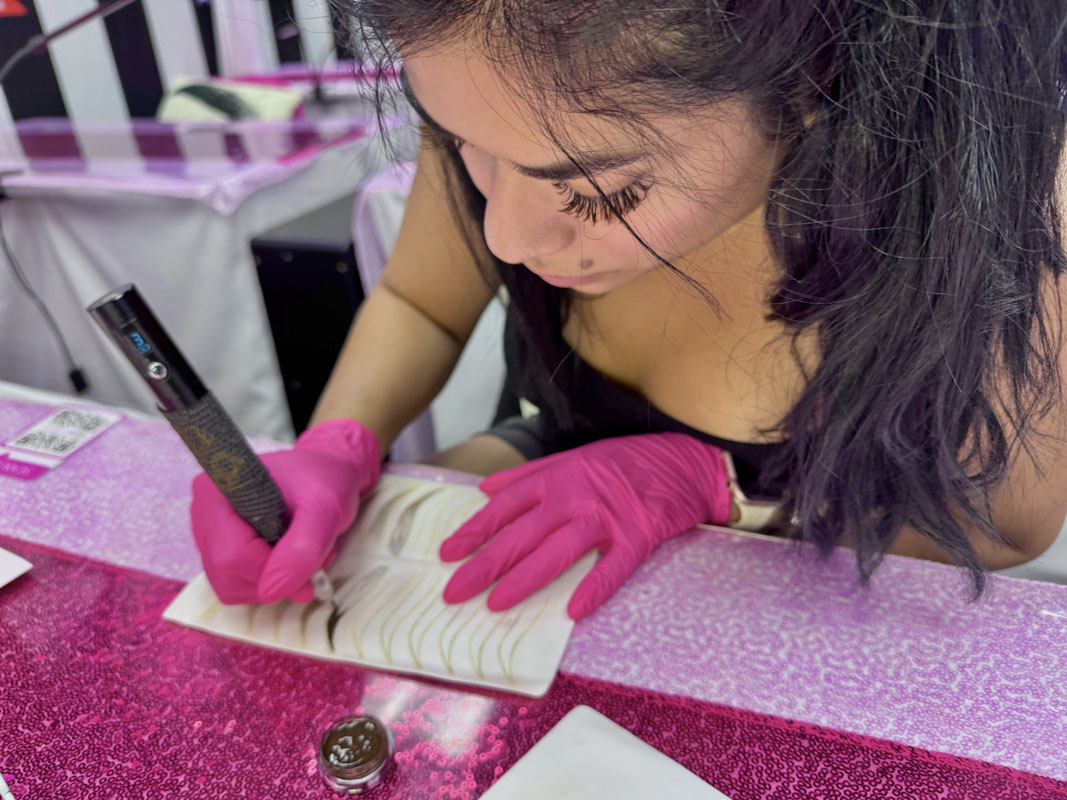
Why Mature Clients Are a Core Part of a Long-Term PMU Career
Mature clients often become your most consistent re-bookers. They value the time savings. They value looking like themselves. They are more likely to stay loyal once they trust you, and they tend to refer friends within their age range. If you want a stable, resilient career rather than a short-lived trend, learning how to serve this group well is essential.
That is why BrowBeat Studio Dallas Microblading Certification and Training Academy places so much emphasis on technique depth, not just basic patterns. When you know how microblading and shading behave on different skin types, you are not at the mercy of trends. You can adapt your work and continue serving a wide variety of clients over many years.
What Artists Need to Learn to Work Confidently on Mature Skin
At a minimum, your education for mature skin should include:
- Understanding the visual and tactile signs of thinning, fragile, or previously worked skin.
- Learning when to reduce the number of microblading strokes and when to switch primarily to shading.
- Mastering machine handling for ombré and powder brows—needle angle, speed, motion, and pressure.
- Studying healed results, not just fresh work, so you can see how pigment actually settles in mature skin over time.
- Learning how to talk with mature clients about realistic results, refresh timelines, and long-term skin respect.
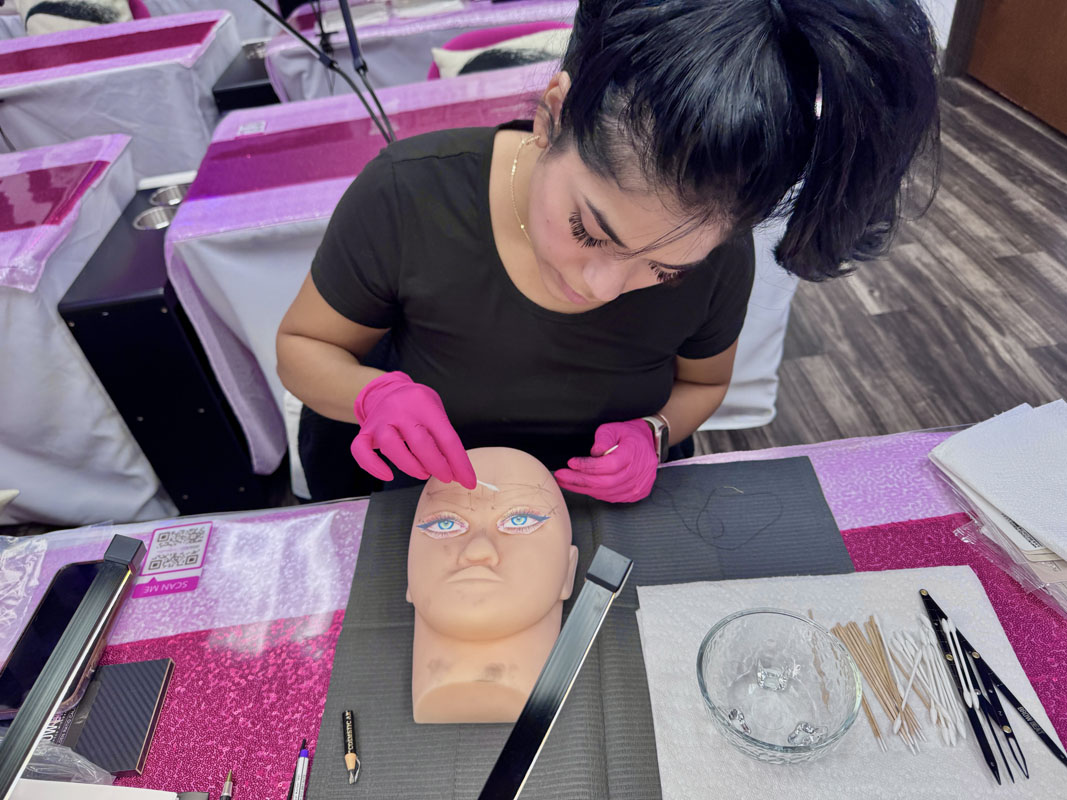
This is where in-depth semi-permanent makeup education moves you beyond guesswork. In a structured environment like BrowBeat Studio Dallas Microblading Certification and Training Academy, you can ask questions, practice your shading patterns, and review how different techniques behave on different skin challenges without the pressure of being alone in a room with a paying client.
Stepping Into the Next Level of Your Semi-Permanent Makeup Career
The semi-permanent makeup industry has evolved. In the early years, microblading was the headline. Now, as more and more long-term results appear in real life, artists are recognizing the value of shaded brows, especially for mature and previously worked skin. The next generation of top artists will not be defined by how sharp their strokes are—they will be defined by how intelligently they protect skin over time.
Learning to care for mature clients with ombré brows, powder brows, microshading, and micropigmentation is not just about adding services to your menu. It is about understanding that your clients’ skin is a long-term partnership. When you choose techniques that can be refreshed gently, layered thoughtfully, and adapted as clients age, you become the artist they trust for the long haul.
If you are ready to move beyond basic patterns and learn how to design brows that work for mature skin over many years, BrowBeat Studio Dallas Microblading Certification and Training Academy may be the next step in your journey. Our advanced curriculum helps you understand both microblading and shading, so you can make smart decisions for every face in your chair.
Start Learning Semi-Permanent Makeup for Mature Clients the Right Way
You do not have to figure all of this out alone. With the right training, you can learn how to:
- Read mature skin and choose the right combination of strokes and shading.
- Understand when microblading is appropriate and when shading is the kinder choice.
- Build brows that can be refreshed every 12–18 months without overworking the tissue.
- Talk to clients confidently about their long-term brow plan, not just their first appointment.

Ombré Powder Brow Certification, included in our program. Discover how all of this fits into your long-term business strategy through the resources on our
BrowBeat Studio Dallas Microblading Certification and Training Academy homepage.Mature clients are ready for artists who think beyond one appointment and one technique. When you learn semi-permanent makeup with their future in mind, you are not just creating brows—you are building a career.