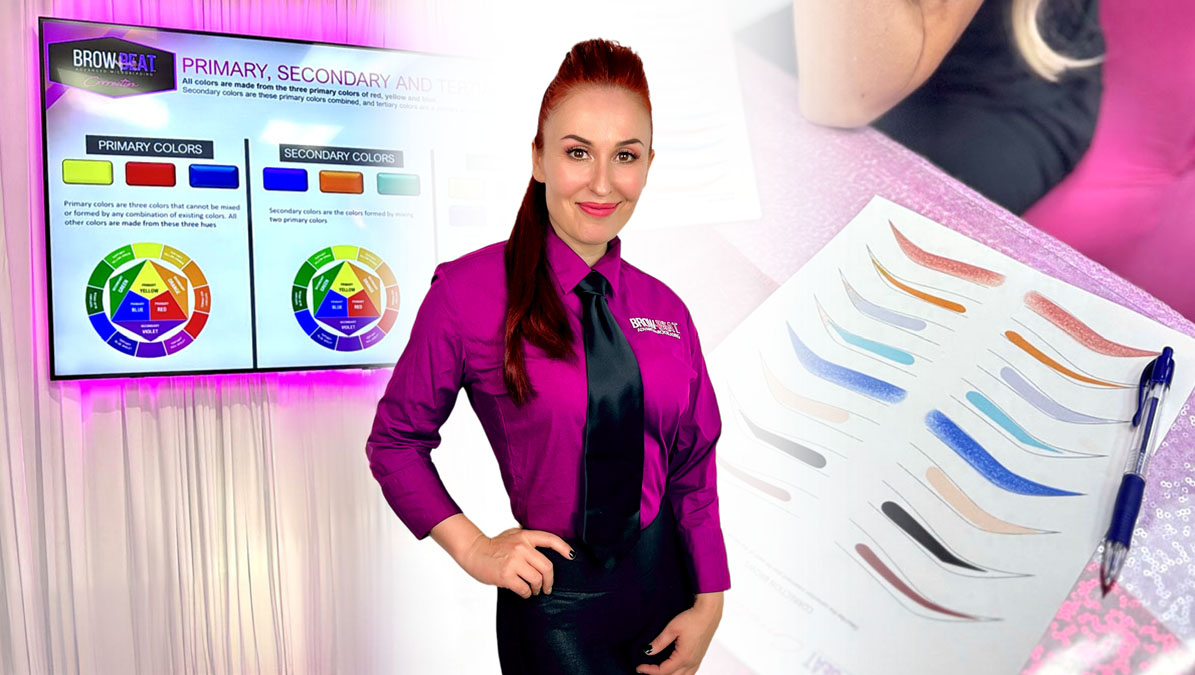
PMU color correction basics introduce artists to pigment behavior, undertone interaction, and neutralization theory. Correction is not simply placing new pigment over old pigment—color mixes visually and must be balanced strategically.
In structured cosmetic tattoo color correction training, students learn how red, blue, gray, or uneven tones develop over time. Understanding how pigment shifts allows artists to select corrective tones that balance rather than compound unwanted color.
Brow pigment correction theory explains why color does not cover color in the way many beginners assume. Instead, pigments combine visually, requiring artists to neutralize undertones before adding new target shades.
Students often ask how color correction works in PMU when previous work has faded or shifted. Training typically includes:
Undertone identification
Color wheel application for neutralization
Strategic layering principles
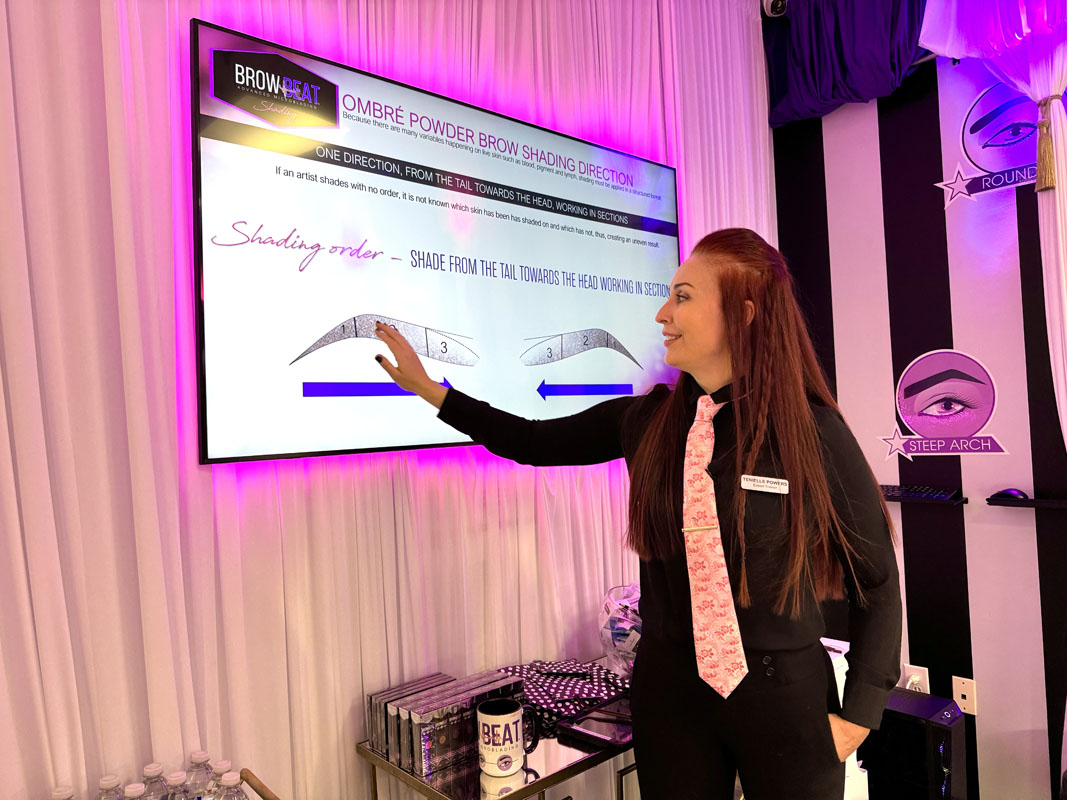
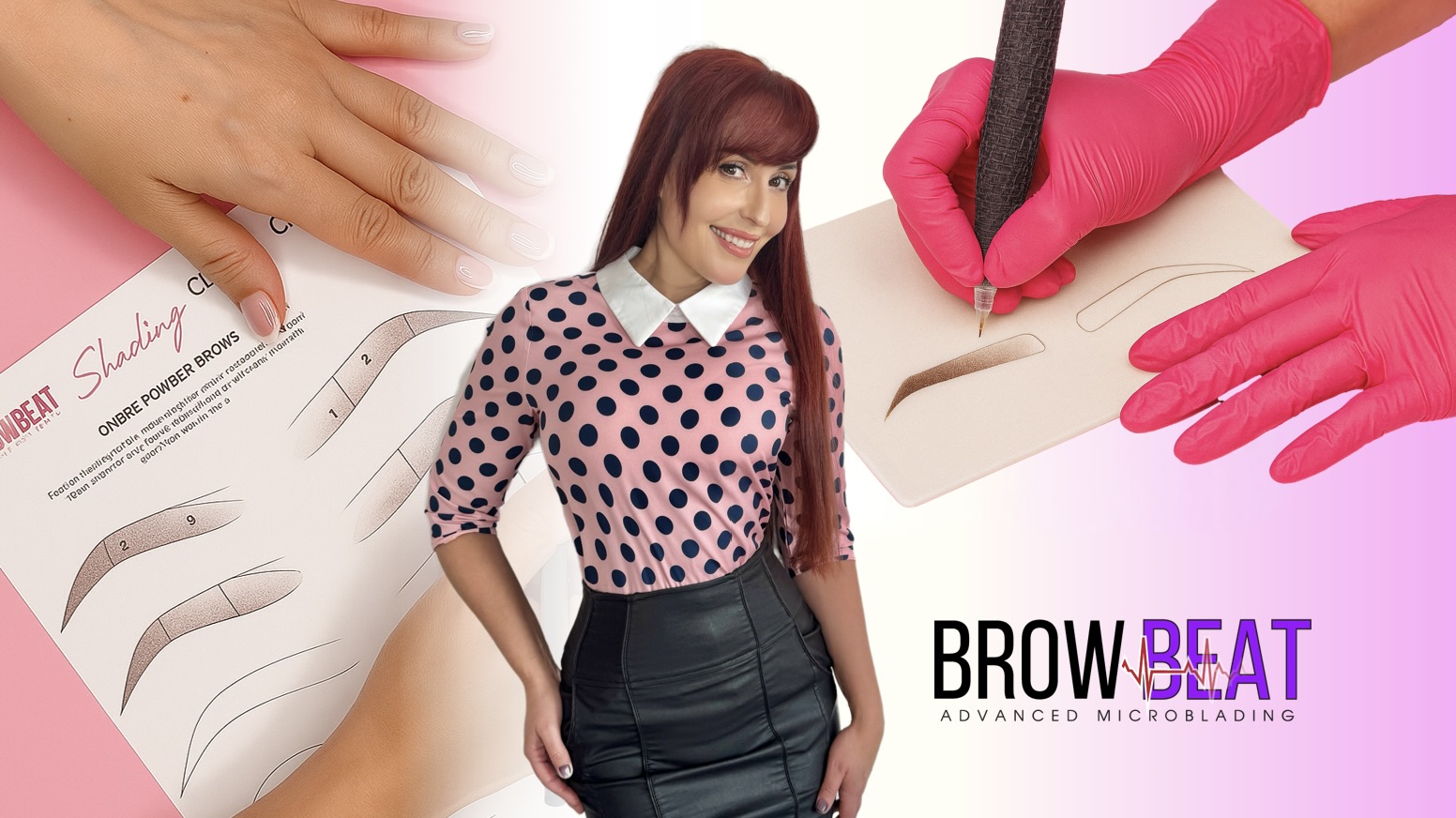
Controlled shading for correction blending
Planning multi-stage correction approaches
These principles form the foundation of advanced corrective education.
For the full correction training pathway, visit: tattoo correction training Texas, this page outlines the broader structure of brow tattoo correction courses and advanced shading repair techniques.
pmu color correction basics: color does not
cancel
Color
In PMU color correction basics, the first rule is simple: color mixes, it does not erase. If red is already in the skin and you add brown, you increase red because brown contains red, yellow, and blue. The missing color in red is green. Green is made of blue and yellow.
pmu color correction basics: brow over red
makes
Copper
Brown contains red, yellow, and blue. If a brow looks red and brown is placed over it, the result becomes copper because more red was added. In cosmetic tattoo color correction training, the missing color in red is green. Green (blue + yellow) balances red.
pmu color wheel guide for cosmetic tattoo
color
Correction
A clear PMU color wheel guide shows that every color has an opposite. Red is balanced by green. Blue is balanced by red and yellow. Orange is balanced by blue. This is the foundation of brow pigment correction theory.
why some brows
turn
Blue
A blue brows means too much blue is still present after fade. The missing colors are red and yellow. Red plus yellow restore warmth and counteract excess blue. These are tattoo pigment neutralization basics explained in simple color relationships.
red brow
correction
Explained
Red brows appear when warm pigment dominates. The missing color in red is green. Green is blue plus yellow. Understanding how color correction works in PMU starts with identifying the dominant color and restoring what is missing.
the foundational rules of
pmu color
Theory
PMU color correction basics are built on simple color theory. Red is balanced by green (blue + yellow). Blue is balanced by red and yellow. Orange is balanced by green. Correction is not guesswork — it is structured color balance applied carefully to the skin.
step - by - step color correction
protocols
Included
In PMU color correction basics, structured treatment protocols are provided for each correction scenario. These written guides explain how color correction works in PMU — identifying red, blue, or yellow dominance, determining the missing color, and applying controlled neutralization. This ensures cosmetic tattoo color correction training is systematic, not guesswork.
why proper color correction matters
for real
People
In PMU color correction basics, understanding how color correction works in PMU is more than theory — it directly affects real people. When artists apply clear brow pigment correction theory and tattoo pigment neutralization basics correctly, they help restore balance and confidence. Cosmetic tattoo color correction training is not optional; it is a responsibility that protects clients and delivers meaningful results.
when the brows look
too
Warm
If a brow looks orange or overly warm, red and yellow are dominant. The missing color is blue. Blue helps balance red and yellow by cooling excessive warmth.
understanding blue
in
Correction
Orange is used when blue is excessive. Because orange and warmth come from red and yellow, orange helps restore balance as it is missing. This is how color correction works in PMU using controlled complementary placement.
when the brows look
too
Cool
If a brow looks overly cool or ashy, blue is stronger than red and yellow. The missing colors are red and yellow. Adding warmth restores balance. This is basic PMU color correction basics applied correctly.
why depth can
influence
Color
If pigment is placed too deeply, gray or blue may appear stronger. When gray and blue dominate, the missing colors are red and yellow. Brow pigment correction theory teaches that placement affects perceived color.
For the full correction training pathway, visit: tattoo correction training Texas, this page outlines the broader structure of brow tattoo correction courses and advanced shading repair techniques.
We use cookies to ensure that we give you the best experience on our website. If you continue to use this site we will assume that you are happy with it.