

Can Permanent Makeup Become a Career?
Yes. Permanent makeup is a professional field in which trained artists provide cosmetic tattoo services such as permanent brows and lip procedures. Artists can develop PMU into part-time or full-time professional work depending on their skills, business structure, client demand, location and personal goals.
The realistic version of that answer matters.
Learning a technique creates the ability to begin developing professionally. It does not guarantee a particular income, number of clients or career outcome. Two people can complete similar training and build very different careers afterward because their circumstances and decisions are different.
One artist may practice extensively, gradually build a portfolio and develop a strong referral base. Another may perform PMU occasionally alongside an existing beauty business. Someone else may decide that one technique interests them while another does not.
Permanent makeup offers professional possibilities, but the artist still has to develop the skill and the business around those possibilities.
What Does a Permanent Makeup Artist Do?
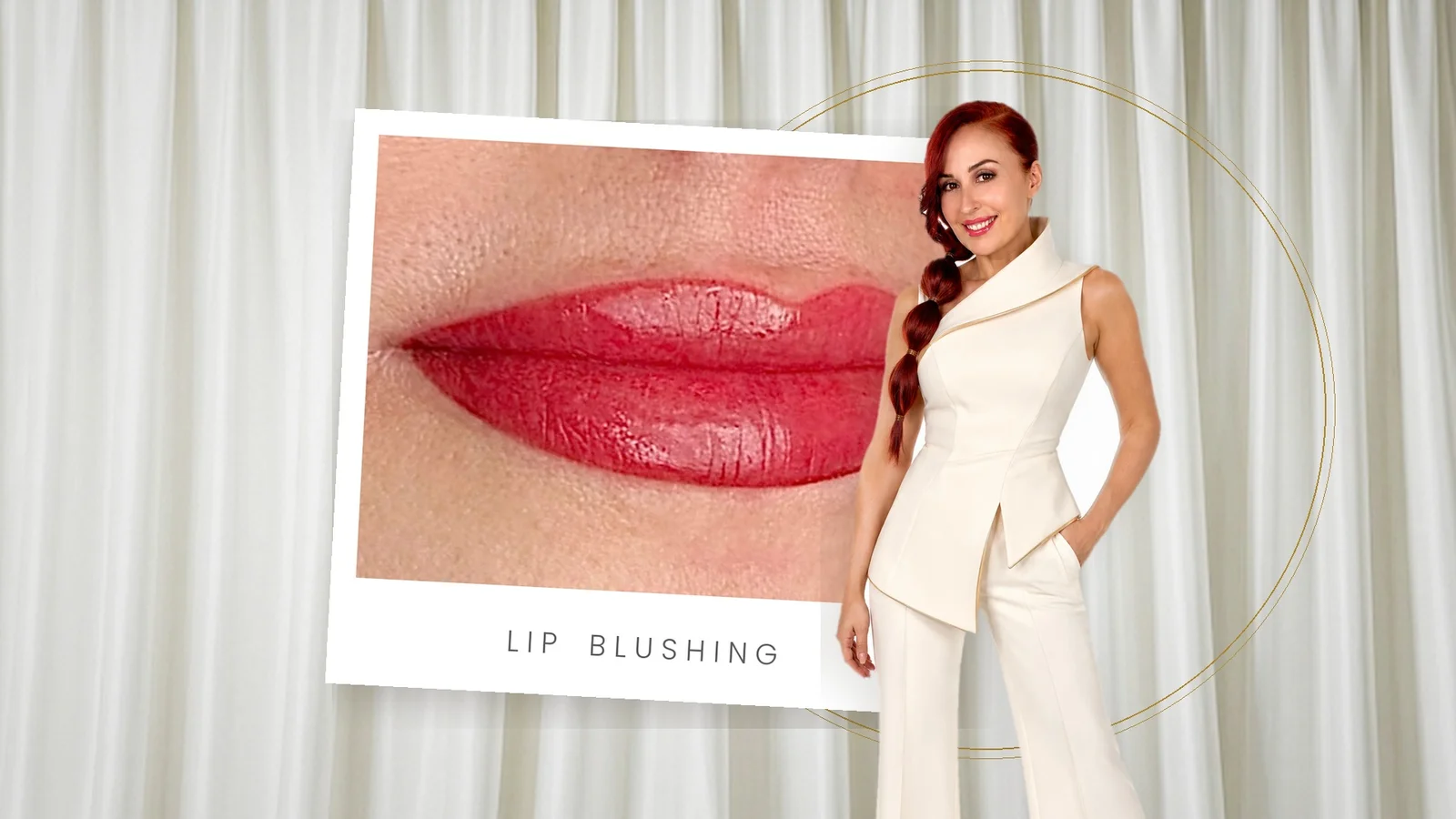
A permanent makeup artist performs cosmetic tattoo procedures designed to create lasting cosmetic enhancements. Depending on the artist’s training, services can include brow techniques, Lip Blushing and other permanent cosmetic procedures.
The technical procedure is only part of the job.
A working PMU artist also communicates with clients, discusses expectations, plans treatments, prepares the treatment environment, follows appropriate sanitation procedures, documents client information, photographs work, provides aftercare information and manages the practical responsibilities surrounding appointments.
As experience grows, the artist also becomes better at recognizing which situations are straightforward and which require more thought.
That judgment is an important part of professional development because permanent makeup is performed on individuals, not identical practice sheets.
Training Is the Beginning of a PMU Career
Permanent makeup training gives students a structured introduction to the skills they are learning. It provides instruction, practical exercises, feedback and a process the student can continue using after class.
Experience comes afterward.
This distinction helps new artists avoid an unrealistic expectation that graduation should feel like the end of learning.
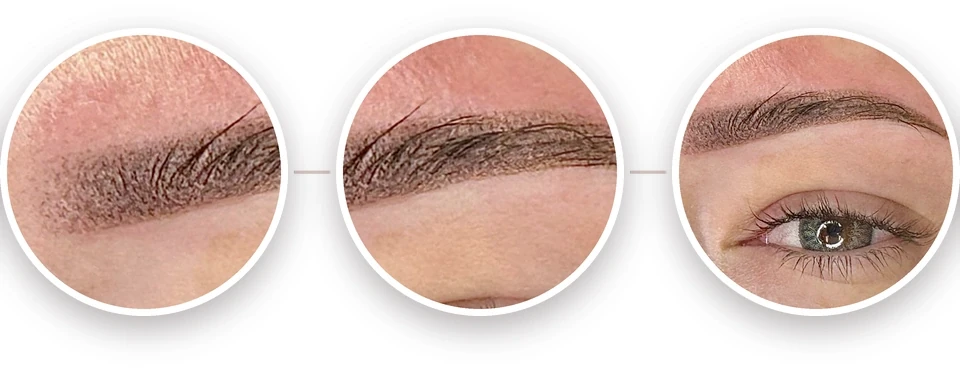
Formal education can accelerate development because the student does not have to discover every fundamental through trial and error. An instructor can explain the process, demonstrate techniques and identify mistakes while the student is still learning.
After training, the artist continues turning that information into increasingly familiar behavior.
The movement becomes more controlled. Setup becomes easier. The treatment order becomes more familiar. Questions that once required intense concentration become easier to answer because the artist has encountered similar situations before.
Training creates the foundation. Experience builds on it.
The First Stage After PMU Training Is About Experience
New artists can feel pressure to move immediately from student to polished professional.
That pressure is rarely useful.
The period immediately after training is valuable precisely because the artist is still developing. This is when repetition begins turning classroom learning into practical familiarity.
The artist can continue practicing weaker areas, reviewing the process and identifying details that need more attention. As the artist becomes legally prepared and technically ready to work with people, early appointments provide another level of experience that practice materials cannot completely reproduce.
A real person asks questions. They move. They have individual features. They may need reassurance or clarification. The artist has to manage the treatment environment while also concentrating on the technical work.
Those experiences gradually become part of the artist’s professional knowledge.
New PMU Artists Should Focus on Consistency Before Speed
Experienced permanent makeup artists can make procedures look deceptively easy. Their setup is familiar, their movements are practiced and they have seen many of the situations that a new artist is encountering for the first time.
A developing artist should not try to imitate the experienced artist’s speed before developing the experienced artist’s control.
Speed is not the first goal.
Consistency matters more.
A procedure performed quickly but without reliable control is not an improvement. The artist first needs to understand the process and become more consistent in how it is performed.
As repetition removes hesitation and unnecessary movement, efficiency develops naturally. The artist spends less time wondering what comes next because the sequence is familiar. Setup becomes more organized. Consultations become easier to manage.
Speed becomes a result of experience rather than something the artist has to force.
Confidence Develops Through Evidence
Professional confidence is not simply a personality trait.
For a PMU artist, useful confidence comes from having evidence that they can perform the work.
The artist has followed the process before. They have practiced the movement before. They have solved a similar problem before. They recognize what they are looking at because they have seen it before.
That is why confidence tends to grow with repetition.
A new artist does not need to pretend to feel completely confident. They need to continue creating the experiences that eventually make confidence reasonable.
This distinction can remove a lot of unnecessary pressure from the beginning of a PMU career. Nervousness does not automatically mean the artist chose the wrong profession. It can simply mean the situation is still unfamiliar.
Early Model Experience Can Help Bridge Training and Professional Work
Once an artist has completed appropriate training, meets the legal requirements that apply to where they will work and is prepared to begin performing procedures, carefully chosen volunteer or model appointments can provide useful early experience.
The purpose is not to use people as substitutes for proper training. The artist should already have a foundation before performing live procedures independently.
The value comes from reducing some of the commercial pressure while the artist is still developing speed, consultation skills, positioning and familiarity with the complete appointment.
A volunteer model understands that the artist is building experience. That can give the developing artist more room to work methodically rather than feeling pressured to perform with the speed of someone who has been working for years.
Each appointment then becomes an opportunity to learn something specific.
Was the setup efficient? Did the consultation make sense? Was the artist comfortable with positioning? Which part of the procedure created hesitation? What should be practiced before the next appointment?
Experience becomes more valuable when the artist reflects on it.
Building a PMU Portfolio Takes Time
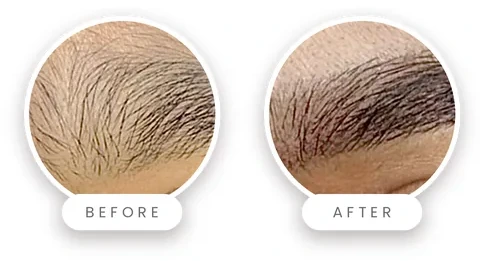
A permanent makeup portfolio gives potential clients a way to see the artist’s work rather than relying entirely on claims about skill.
For a new artist, the portfolio begins small.
That is normal.
There is no requirement to make a developing portfolio appear larger than it actually is. A smaller collection of genuine work can be more useful than trying to create the impression of years of experience that the artist does not yet have.
As the artist performs more procedures, the portfolio develops naturally. Different clients provide different features, shapes and starting conditions. The artist gains more examples and begins seeing their own work more critically.
The portfolio then becomes evidence of development as well as a marketing tool.
Learning to Photograph PMU Work Is Part of Professional Development
Strong technical work can be difficult to evaluate online if the photograph does not show it clearly.
New PMU artists therefore benefit from learning how to document their work consistently.
That does not mean turning every photograph into a heavily edited beauty image. The purpose of a portfolio is to show the work accurately.
Consistent positioning, useful lighting and clear photographs make it easier for potential clients to understand what the artist actually creates. They also help the artist review their own work later.
Over time, photography often improves for the same reason technical work improves: repetition.
Client Communication Is Part of Being a PMU Artist
Permanent makeup is unusually personal work because clients are trusting an artist with a lasting cosmetic change.
Technical ability matters enormously, but the client also experiences everything surrounding the procedure.
Was the process explained clearly? Did the artist listen? Were expectations discussed honestly? Did the client understand what was happening? Were questions treated seriously?
These interactions influence the professional relationship.
An artist can be technically talented and still create problems through poor communication. Likewise, excellent communication cannot compensate for weak technical work.
A strong PMU career needs both.
Consultations Become Better With Experience
A new artist can learn a consultation process during training, but experience makes that conversation more sophisticated.
After speaking with more clients, the artist begins recognizing recurring questions and misunderstandings. They become better at explaining the differences between techniques and identifying when a client’s expectations need clarification.
The artist also becomes more comfortable saying what a procedure can and cannot reasonably accomplish.
That is an important professional skill.
Good client communication is not about agreeing with everything a person asks for. It is about understanding the request, explaining the relevant considerations and making responsible decisions about the work the artist performs.
Permanent Makeup Is a Relationship Business
A PMU business is built one person at a time.
Clients remember the finished work, but they also remember the experience of working with the artist. They remember whether they felt heard, whether the process was explained clearly and whether the artist treated them professionally.
Those experiences can lead to referrals, reviews and future relationships.
This is why early clients matter even when the artist’s calendar is not yet full. Each appointment is an opportunity to strengthen both technical skill and professional reputation.
There is no shortcut that creates years of client relationships overnight.
They accumulate.
Experience Compounds Over Time
One of the encouraging things about building a permanent makeup career is that experience does not start over with every appointment. What an artist learns from one client can make the next appointment easier to understand.
A question that felt difficult the first time becomes familiar. Setup becomes more organized because the artist knows where things need to be. Positioning improves because uncomfortable working angles have already taught the artist what needs to change. Consultations become clearer because the artist has heard similar questions before.
Technical experience compounds too. The artist begins recognizing patterns in their own work, including the areas that consistently go well and the areas that need more attention.
This does not mean every new situation becomes predictable. Permanent makeup involves individual people, and there will always be differences. Experience simply gives the artist a larger body of knowledge to draw from when those differences appear.

Referrals Can Grow From Strong Client Experiences
Permanent makeup is a service people often discuss with friends, family and coworkers. When someone is pleased with both the work and the experience surrounding it, they can become an important source of future referrals.
That kind of growth cannot be forced.
An artist can market their services, create content and make people aware of the business, but personal recommendations are earned through actual client experiences.
For a developing artist, this is another reason early appointments matter. One client does not simply represent one procedure. That appointment is also an opportunity to demonstrate professionalism, communicate clearly and begin building a reputation.
Over time, those individual relationships can create momentum.
Reviews and Reputation Are Built Gradually
A new PMU artist should not expect to begin with the review history of someone who has been working for years.
Reputation takes time because it is based on accumulated experiences.
Clients need to work with the artist before they can describe that experience. A portfolio needs actual work before it can grow. Referrals need relationships before they can happen.
Trying to rush that process can create pressure to look more established than the artist really is.
A stronger approach is to let professional credibility develop alongside actual experience.
The artist does good work, communicates well, learns from mistakes and continues improving. The public evidence of that work can grow with them.
Client Feedback Can Make an Artist Better
Feedback does not stop being useful when training ends.
Clients experience the appointment from a different perspective than the artist. They can identify areas of communication or service that the artist may not notice while concentrating on the technical procedure.
A developing professional benefits from being willing to hear that information without automatically becoming defensive.
That does not mean every client opinion is technically correct or that an artist should abandon professional judgment whenever someone disagrees. It means feedback is information worth examining.
If several people are confused by the same explanation, perhaps the explanation needs to become clearer. If appointments consistently feel rushed at one particular stage, the process may need adjustment. If the artist notices the same technical weakness repeatedly, that is useful information about what to practice next.
Professional development depends partly on noticing patterns and responding to them.
Continuing Education Is Part of a PMU Career
Initial training establishes a foundation. It does not mean an artist has learned everything they will ever need to know about permanent makeup.
As experience develops, new questions appear.
A beginner may initially be concentrating on how to perform a movement. Later, the artist becomes interested in why a particular result developed, how another technique works or how to approach a more complicated situation.
That is where continuing education becomes valuable.
An artist can strengthen an existing technique, add another PMU discipline or pursue advanced education once they have the appropriate foundation.
The important thing is that additional education should make sense for the artist’s current experience rather than becoming a race to collect certificates.
Adding More PMU Techniques Can Expand an Artist’s Skill Set
Permanent makeup artists do not all need to offer exactly the same services.
Some prefer to specialize. Others want broader technical range.
An artist trained in several brow techniques can understand different approaches to creating permanent brows. Someone who later learns Lip Blushing adds an entirely different treatment area. An experienced artist who eventually studies PMU Correction develops education around previous healed work rather than simply adding another new-work technique.
Additional skills can expand the services an artist is capable of performing, but more techniques should not be confused with automatic expertise.
Each skill still needs practice.
It is better to perform a smaller number of services competently than to advertise a long list of techniques the artist has barely practiced.
Specializing Can Also Be a Valid PMU Career
Broad education is not the only way to build a career.
An artist may discover that one particular area of permanent makeup suits their interests and strengths especially well. They may prefer brows, lips or another part of the field and choose to develop deeper experience there.
Specialization can make sense when it reflects genuine skill and interest rather than fear of continuing to learn.
There is no rule that a successful PMU artist must offer every available technique.
A career should develop around work the artist can perform responsibly and wants to continue improving.
Working in an Existing Studio vs Building Your Own PMU Business
Permanent makeup artists can work in different professional arrangements.
Some work within an existing licensed studio. Others eventually establish their own permanent makeup business and studio location.
Those choices create different responsibilities.
An artist operating an independent business has to think beyond the technical procedure. The business may involve location decisions, regulatory compliance, scheduling, client communication, supplies, insurance, marketing, bookkeeping and the many small administrative tasks required to keep appointments running smoothly.
Working within an established business can create a different arrangement, but the artist still needs to understand the requirements that apply to the work they perform and the location where they perform it.
For artists planning to work in Texas, the permanent makeup license and requirements guide explains the state studio-licensing framework separately.
A PMU Career Includes More Than Performing Procedures
Someone imagining a permanent makeup career may picture most of the working day spent creating brows or lips.
The procedure is only one part of operating professionally.
Appointments need to be scheduled. Messages need responses. Supplies need to be maintained. Treatment areas need preparation. Client records need organization. Photographs need to be managed. Consultations need time. Business responsibilities continue even when the artist is not actively performing a procedure.
This is particularly important for someone considering independent work.
Loving the artistic side of PMU is valuable, but building a business also requires willingness to handle the less glamorous parts of professional work.
How Much Do Permanent Makeup Artists Make?
There is no single responsible income figure that describes every permanent makeup artist.
PMU artists can work under very different business models, charge different prices, perform different numbers of procedures and have very different operating expenses.
An artist performing PMU occasionally alongside another profession is in a different financial situation from someone operating a busy full-time studio. An employee or contractor can have a different compensation structure from an independent business owner.
Location matters. Experience matters. Demand matters. Services offered matter. Scheduling matters. Business expenses matter.
For those reasons, a broad statement such as “PMU artists make X dollars per year” can sound precise while telling a prospective student very little about what they personally might earn.
Why PMU Salary Numbers Can Be Misleading
The word salary itself can be misleading when discussing permanent makeup because many artists are not working under a traditional fixed annual salary.
An independent artist may generate business revenue from procedures and then pay expenses from that revenue. Another artist may work under an employment or contractor arrangement. Someone else may combine PMU with other beauty services.
Those situations should not be treated as financially identical.
When someone sees a large annual number attached to “PMU artist salary,” they should ask what the number actually represents.
Is it employee pay? Gross business revenue? Estimated service sales? Income before expenses? Income after expenses?
Without that context, the number can create more confusion than useful information.
Gross Revenue Is Not the Same as Personal Income
This distinction is particularly important for artists who own their business.
If a procedure is sold for a particular amount, the entire payment should not automatically be treated as the artist’s personal earnings.
A business can have expenses related to supplies, consumables, the treatment location, insurance, licensing, payment processing, marketing, taxes and other operating costs.
The exact expenses depend on the business, but the principle remains the same: money collected by the business and money ultimately retained by the owner are not necessarily identical.
This is why responsible career planning looks beyond the advertised price of a PMU service.
What Affects a PMU Artist’s Income?
Permanent makeup income is influenced by several interacting factors rather than one simple hourly rate.
The artist’s service pricing matters, but so does the number of appointments actually performed. The range of services offered can affect demand. Experience and reputation can influence what clients are willing to pay. Location affects the market. Cancellations and gaps in the schedule affect revenue. Business expenses affect what remains afterward.
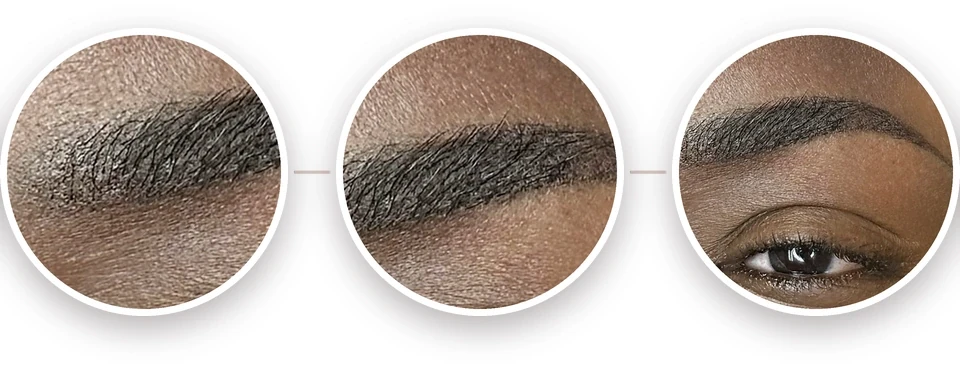
Efficiency can matter too, although speed should never be developed at the expense of technical control.
An artist who understands these variables can think about income more realistically than someone who simply multiplies a procedure price by an imaginary fully booked calendar.
A Full Calendar Is Built, Not Assumed
One of the easiest mistakes in career projections is calculating income as though every available appointment will automatically be filled.
New businesses do not generally begin with the client volume of established ones.
Building demand takes time.
Portfolio growth, referrals, reviews, marketing, reputation and client relationships all contribute to the process. Some weeks can be busier than others. Cancellations happen. Seasonal changes can affect demand.
A realistic PMU career plan leaves room for the fact that client volume develops rather than appearing automatically after training.
Can Permanent Makeup Be a Part-Time Career?
Yes. PMU can form part of someone’s professional work rather than immediately becoming their only occupation.
Some artists begin by offering permanent makeup alongside existing beauty services or another job while they build experience and demand.
That approach can give the artist time to develop without expecting a new PMU business to replace an established income immediately.
The practical arrangement still needs to comply with the legal requirements that apply to the location and business structure.
Can Permanent Makeup Become Full-Time Work?
It can, but there is no guarantee that completing training will automatically produce enough demand to support full-time work.
A full-time PMU career depends on the artist’s skill, client volume, service pricing, operating expenses, market, reputation and the way the business is managed.
For someone who wants PMU to become their primary work, the transition is more useful to think about as a development process rather than a deadline.
The artist can watch actual demand and business performance instead of deciding in advance that a particular number of weeks after training must be the moment they become full time.
The Advantages of a Permanent Makeup Career
Permanent makeup can appeal to people for several reasons. It combines detailed hands-on work with creativity, client interaction and the possibility of developing a specialized professional skill.
Artists can continue refining their work over time rather than performing exactly the same task at exactly the same level throughout their career. Someone may begin with foundational brow education, strengthen those skills through experience and later decide whether another technique makes sense for them.
There is also satisfaction in seeing technical improvement. Movements that once required intense concentration become more controlled. Consultations that initially felt awkward become easier to manage. The artist begins recognizing situations that would previously have felt completely unfamiliar.
For someone who enjoys detailed work, continued learning and working directly with people, those aspects of PMU can make the career appealing.
The Challenges of a Permanent Makeup Career
Permanent makeup also comes with responsibilities that should not be hidden behind the attractive parts of the industry.
The work requires precision. Clients can have high expectations because the procedure affects their appearance. Building a client base takes time. Independent artists have business responsibilities in addition to technical work, and income can fluctuate rather than arriving as a predictable salary.
The artist also has to remain teachable. There will be procedures that require more thought, feedback that is uncomfortable to hear and situations where the professional answer is not the answer a client hoped for.
Those challenges do not make PMU a poor career choice. They are simply part of evaluating the profession realistically.
Professional Judgment Becomes More Important as Experience Grows
At the beginning, much of a student’s attention is focused on performing the technique correctly. As experience grows, the questions become more complicated.
The artist begins thinking beyond “How do I perform this step?” and starts asking whether the procedure, technique or approach makes sense for the situation in front of them.
That change is significant.
Professional development is not simply becoming faster with the hands. It is becoming better at making decisions.
Advanced education can support that development when the artist is ready for it. PMU Correction is a clear example because previous healed work requires assessment before an artist decides whether direct corrective work is appropriate.

Knowing when not to proceed can be just as professional as knowing how to perform a technique.
Being Professional Does Not Mean Pretending to Know Everything
New artists can feel pressure to present themselves as experts immediately after training. That pressure can make it harder to continue learning.
A stronger professional habit is knowing the limits of your current experience.
If a situation falls outside what the artist has been trained and prepared to handle, recognizing that limitation is useful judgment rather than weakness.
The artist can seek additional education, ask appropriate questions or decline work that is outside their current ability.
Experience expands those boundaries over time.
There is no professional advantage in pretending to have knowledge that has not yet been developed.
How to Become a Permanent Makeup Artist
Becoming a permanent makeup artist involves more than choosing a title and purchasing equipment. The process begins with appropriate education in the technique the student wants to learn, followed by continued practice and professional development.
The artist also needs to understand the legal requirements that apply where the work will be performed. In Texas, permanent cosmetics operate within the state’s tattoo-studio regulatory framework, so training and legal business requirements need to be treated as separate parts of becoming professionally established.
Once the appropriate foundation is in place, the artist can begin building experience, developing a portfolio, strengthening client communication and deciding what kind of PMU career they want to create.
There is no need to solve every future career question before beginning training. The first objective is to learn the skill properly. Later decisions become easier when they are based on actual experience rather than guesses about what working in PMU will feel like.
What Qualifications Does a PMU Artist Need?
The word “qualification” can refer to several different things, so it helps to separate them.
Training establishes education in a permanent makeup technique. A training certificate documents the education completed through the provider. Experience develops through continued practice and professional work. Legal requirements determine what must be satisfied to perform procedures within the applicable jurisdiction and business setting.
Those elements should not be collapsed into one vague idea of being “qualified.”
A person can complete training and still be developing practical experience. Likewise, completing a course does not automatically replace separate regulatory requirements.
The permanent makeup certification guide explains training credentials in greater depth, while the Texas requirements guide addresses the state regulatory side separately.
Is Permanent Makeup a Good Career?
Permanent makeup can be a good career for someone who enjoys detailed technical work, client interaction and continued skill development, but there is no profession that is automatically a good fit for everyone.
The work requires patience, concentration and willingness to practice. Building a business requires consistency beyond performing the procedure itself. Client-facing work requires communication and the ability to manage expectations professionally.
Someone attracted only by an impressive service price may find the reality very different from what they imagined. Someone who genuinely enjoys the work and is willing to develop both technical and professional skills has a much stronger foundation for evaluating the career.
The question is not simply whether PMU is a good career in general. It is whether the actual work fits what the individual wants from a career.
Is Becoming a Permanent Makeup Artist Worth It?
Whether permanent makeup is worth pursuing depends on what the person expects from it.
If the expectation is that completing one course automatically creates a highly profitable business, that expectation is unrealistic.
If the goal is to learn a specialized skill, continue developing it and gradually build professional opportunities around that skill, permanent makeup can offer meaningful possibilities.
The investment includes more than tuition. It includes practice, time, continued learning and the effort required to build client trust and professional experience.
The return is also broader than one income number. Some artists value independence. Others value adding a specialized service to work they already do. Others enjoy the technical and artistic challenge itself.
A useful career decision considers the complete picture rather than only the most attractive promise associated with the industry.
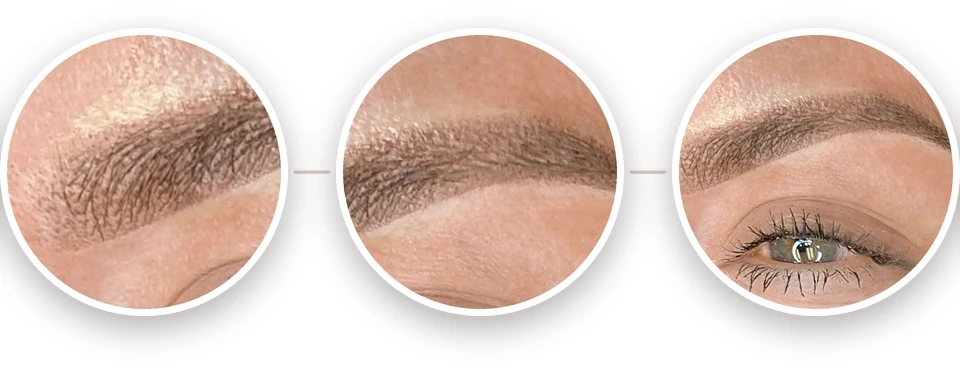
Permanent Makeup Career Development in Dallas, Texas
BrowBeat Certification provides in-person permanent makeup education in Dallas, Texas for students developing skills across different areas of PMU.
Dallas gives developing artists access to a large metropolitan market, but location alone does not build a career. The same fundamentals still matter: technical skill, professional communication, legal compliance, consistent work and the gradual development of client relationships.
Students planning to work in Texas should also understand that training certificates and state studio licensing serve different purposes. The Texas permanent makeup requirements guide explains the current regulatory framework separately so artists can keep education and legal compliance clear.
BrowBeat’s role is education. The artist’s career develops from what they do with that education afterward.
Related Permanent Makeup Training Guides
If you are still deciding how permanent makeup training works, the training-process guide explains BrowBeat’s in-person learning structure and practical approach.
If you need help choosing the right PMU course, the course-selection guide explains how to evaluate training according to the skill you want to learn.
If you are completely new to PMU, the beginner guide focuses on readiness, first-time learning and the practical learning curve.
If your question is about certification, the permanent makeup certification guide explains what a training certificate represents and how it differs from state licensing.
If you want to understand what PMU training includes, the curriculum guide explores the tools, practical exercises, machines, pigments, mapping and course content in greater depth.
If your question is about Texas legal requirements, the Texas permanent makeup licensing guide explains the separate state studio-licensing framework.