PERMANENT MAKEUP CERTIFICATION PROCESS EXPLAINED
Permanent makeup certification can be confusing because the word “certification” is used in several different ways across the beauty and PMU industries. A student may see phrases such as PMU certification, permanent makeup certificate, certified artist, certification course or professional credential and assume they all mean the same thing.
They do not.
At its most practical level, a permanent makeup certificationand training course is education provided by a training organization, with a certificate issued to document the training the student completed. That certificate belongs to the training provider. It is not automatically a state license, a government credential or legal permission to perform permanent makeup anywhere.
BrowBeat Certification uses the word “certification” in the names of its training because students receive certificates associated with the education they complete. For example, students completing the 3-in-1 Brow Certification receive BrowBeat certificates associated with Microblading, Ombré/Powder Brows and Combo Brows.
Those certificates document BrowBeat training. They should not be confused with a Texas state license or state-issued certification. Understanding that distinction makes the entire certification process much easier to understand.
What Does Permanent Makeup Certification Mean?
In a training context, permanent makeup certification generally refers to completing education provided by a PMU training organization and receiving documentation from that provider recognizing the training completed. The exact meaning depends on the organization issuing the certificate.
That point matters because there is no single universal PMU certificate that automatically means exactly the same thing everywhere. Different training providers can teach different techniques, establish different course requirements and issue different certificates.
The useful question is therefore not simply, “Is this a certification?”
The better questions are: Who issued it? What training does it represent? What did the student complete in order to receive it?
Those questions give the certificate context.
How Does the PMU Certification Process Work?
The certification process usually begins with choosing training that matches the skill the student wants to learn. The student then completes the education and whatever attendance, practical work or course requirements the training provider has established for that program. Once those requirements have been satisfied, the provider can issue its certificate documenting the training completed.
The exact process can vary considerably between courses, which is why students should not assume every PMU certification program works in exactly the same way.
At BrowBeat Certification, the certificates are issued by BrowBeat as documentation of the training completed through BrowBeat’s in-person education in Dallas, Texas.
The certificate does not replace separate legal requirements that apply to professional PMU work.

certificate is
Awarded
The permanent makeup certification process begins before the certificate is issued. Students first participate in the education and complete the requirements established for the course. Only after that process does the certificate serve its intended purpose: documenting the PMU training the student completed through the issuing organization.
training
Record
Permanent makeup education can develop one skill at a time or through programs that cover multiple related techniques. As those skills are learned, certificates can document the different areas of education completed. Over time, an artist’s certification record can reflect a broader training background without implying that every skill came from one universal PMU certification.


starts with
Education
Permanent makeup certification begins with learning. The student first completes the education associated with a particular PMU course and works through the requirements established by the training provider. The certificate comes afterward as documentation of that completed training, making the education the foundation of the certification process.
course is
Completed
Completing a permanent makeup course is an educational milestone that can be recognized with a certificate from the training provider. The document records that the student completed the training associated with that particular program. It should be understood in that context rather than interpreted as government authorization or proof that every stage of professional development is complete.


the course
You Took
A PMU certificate has meaning because it connects directly to the education behind it. The course identifies what the student studied, while the certificate documents completion of that training through the issuing provider. This is why students comparing certifications should look beyond the word “certified” and understand exactly which course and techniques the certificate represents.
training
Certificates
There is no reason an artist’s permanent makeup education must be represented by a single certificate. Artists can complete multiple courses or techniques as their education develops and receive documentation associated with each area. Multiple certificates can therefore tell a clearer story about an artist’s training when each one represents meaningful education that was completed.


Training
Skills
Microblading, Ombré/Powder Brows and Combo Brows are distinct brow techniques even when they are taught within the same certification program. Recognizing them separately helps students understand the scope of their education and what their certificates relate to. Shared foundations can support all three while the techniques themselves remain identifiable areas of PMU training.
certification
Program
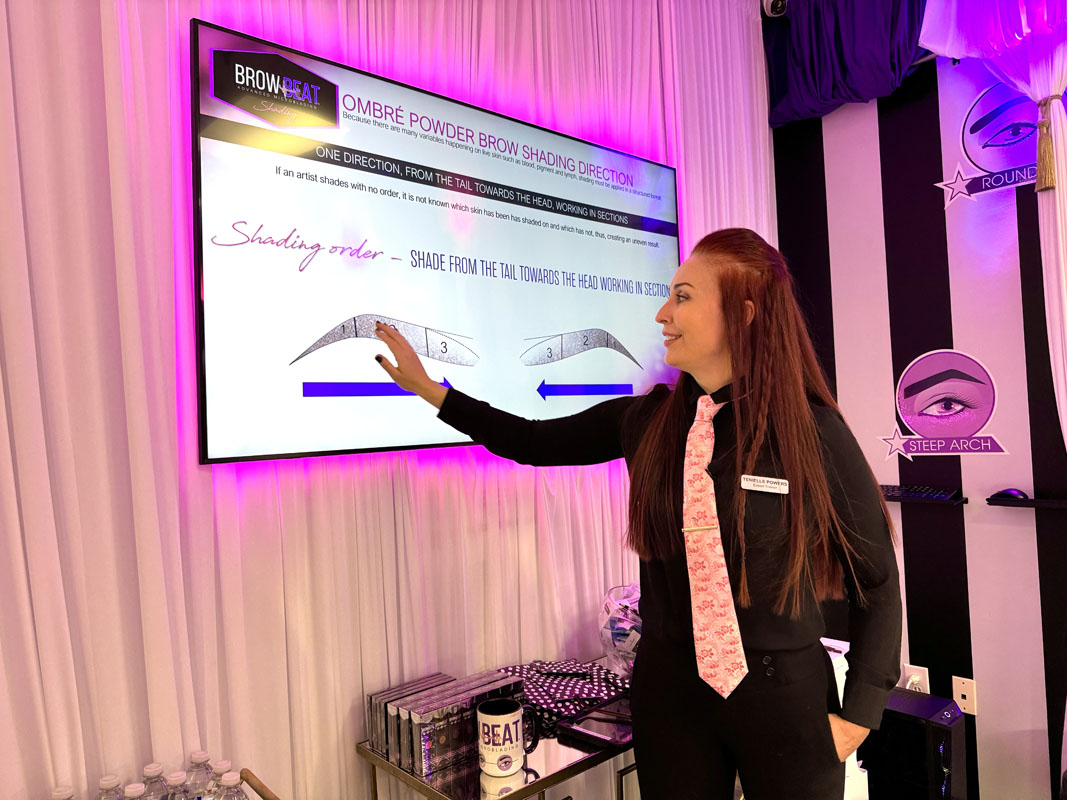
A multi-technique certification program can teach several related skills while sharing foundational education where appropriate. BrowBeat’s 3-in-1 Brow Certification includes Microblading, Ombré/Powder Brows and Combo Brows, with subjects such as mapping and brow color supporting the techniques across the program. The resulting certificates document the brow education completed through that training.


education
In Dallas
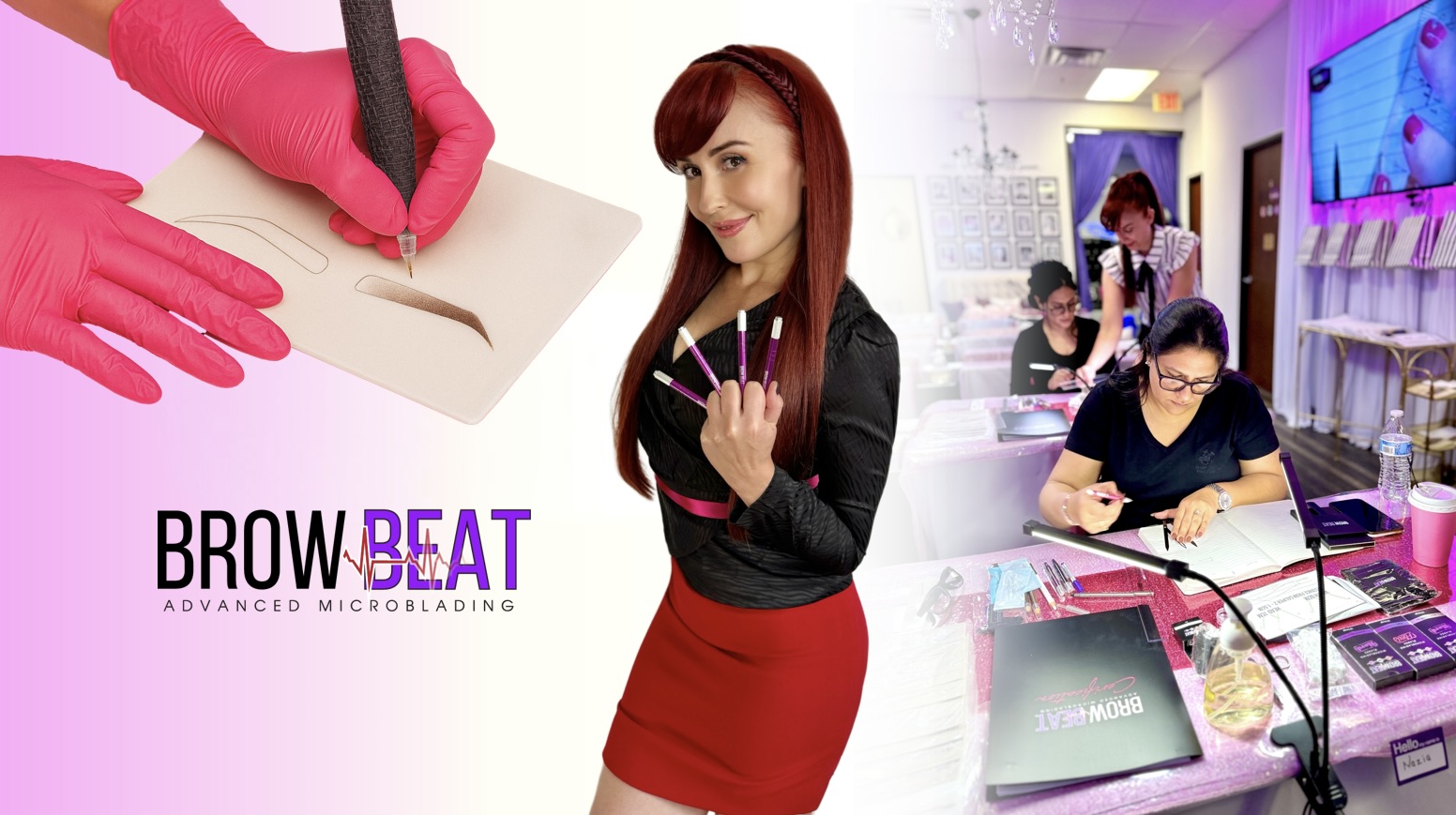
BrowBeat Certification provides in-person permanent makeup education in Dallas, Texas. Students participate in the training associated with their chosen program before receiving BrowBeat documentation of the education completed. The in-person learning experience is therefore the substance behind the certification, while the certificate provides a lasting record of that training.
brow
Techniques
Permanent makeup certification can document education in specific brow techniques rather than simply labeling someone as broadly “PMU certified.” Brow training may include skills such as Microblading, Ombré/Powder Brows and Combo Brows, with each technique producing a different finished effect. Before-and-after examples help visually connect the certification language to the type of permanent makeup education the student completed.


pmu
Training
A brow certification certificate should have meaning beyond the word “certified.” It represents training completed through the organization that issued it and can identify the brow techniques included in that education. Seeing permanent makeup brows before and after treatment helps illustrate the type of work connected to those training areas while the certificate documents the education itself.
training
Scope
A multi-technique permanent makeup certification can represent education across several related skills rather than a single procedure. BrowBeat Certification’s 3-in-1 Brow Certification covers Microblading, Ombré/Powder Brows and Combo Brows. The differences visible in finished brow work help demonstrate why identifying the techniques behind a PMU certificate provides more useful information than the word “certification” alone.


certification
Record
Permanent makeup education is not limited to brows. Artists can complete training in lip techniques and receive certificates documenting that additional PMU education. Before-and-after lip work provides a visual example of the type of specialized skill associated with that training, while the certificate records the education completed through the training provider.
areas of
Training
An artist can hold more than one permanent makeup certificate because PMU includes multiple techniques and areas of specialized education. Lip training, for example, represents a different educational area from brow certification. This is why students should look at the specific training behind each certificate rather than assuming that one general PMU certification automatically represents every permanent makeup procedure.


makeup
Skills
Not every permanent makeup certification course represents beginner-level education. PMU Correction training is an example of advanced education because the artist must learn to assess existing healed permanent makeup and determine an appropriate approach. Correction before-and-after examples help demonstrate why this type of certification represents education that builds upon an existing permanent makeup foundation.
advanced
Education
Correction work demonstrates why the training behind a certificate matters. Existing permanent makeup can present different challenges, so correction education is broader than learning one isolated correction method. A PMU Correction certificate documents specialized training completed through the provider; it does not imply that every correction case is identical or that certification itself replaces the judgment and experience an artist continues developing over time.

Training Comes Before the Certificate
The certificate should represent education, not simply the purchase of a course.
A student first participates in the training associated with the certificate. The documentation comes afterward.
This sounds obvious, but it is an important distinction because the real value of PMU education is not the piece of card itself. The certificate records the training. It does not create the practical skill independently of that training. The student still needs to understand the processes, practice the work and continue developing experience after formal instruction ends.
The Certificate Documents What Was Completed
A BrowBeat certificate is a physical course certificate carrying BrowBeat Certification’s branding and seal. It documents the training associated with the course the student attended and completed.
For the 3-in-1 Brow Certification, the education covers Microblading, Ombré/Powder Brows and Combo Brows as three brow techniques. Students receive certificates associated with those training areas rather than one document suggesting that every type of permanent makeup has been mastered.
That specificity is useful because it tells the student what the certificate actually relates to.
What Is a Permanent Makeup Certificate?
A permanent makeup certificate is documentation issued by a training provider to recognize completion of the education associated with a particular course or training program. The certificate may include the student’s name, the training area and information identifying the organization that issued it.
The important point is that the certificate represents the provider’s training. It should not automatically be interpreted as a government-issued license, state certification or universal professional authorization. Students should know who issued the certificate and what the document is intended to show.
Certificate, Certification, Credential and Qualification: What Is the Difference?
These words often appear together, but they are not perfectly interchangeable.
A certificate is the actual document issued by a training provider.
Certification can describe the training and completion process associated with earning that certificate.
A credential is a broader word for documentation or recognition that supports someone’s training or qualifications.
A qualification generally refers to education, experience or ability that makes someone suitable for a particular task or role, although the exact meaning can depend on the context.
None of those terms should automatically be read as “state license.”
This is why certification language needs context. A student can truthfully say they completed PMU certification training through a particular provider while still having separate legal obligations before performing permanent makeup professionally.
How Do You Become PMU Certified?
The first step is to identify the PMU skill or certification course that matches what you want to learn. From there, the student completes the training and the requirements established by the provider for that course. Once the training has been completed, the provider can issue the appropriate certificate or certificates.
There is no responsible reason to describe one universal PMU certification process that applies to every school, academy or training organization, because providers can structure their programs differently. The more useful approach is to understand the process for the exact course being considered.
What training is provided? What does the student need to complete? What certificate is issued? What does the provider say that certificate represents?
Those questions make the process much clearer than relying on the word “certified” by itself.
What Does a PMU Certification Course Involve?
A certification course involves education connected to a specific permanent makeup skill or group of skills. The exact curriculum depends on the course.
For example, BrowBeat Certification’s 3-in-1 Brow Certification teaches Microblading, Ombré/Powder Brows and Combo Brows. Some subjects, such as brow mapping and shared brow color education, support all three techniques rather than being unnecessarily repeated as though each technique requires an entirely separate version of the same foundation.
The point is to teach the student the skills and shared concepts that belong to the training, then document that training appropriately.
Students whose primary question is what PMU courses include should use the dedicated curriculum guide, where tools, materials, techniques and practical education can be explored in much greater depth.
Does Completing PMU Certification Automatically Mean You Can Legally Work?
No. Completing a training course and receiving a certificate should not automatically be interpreted as legal authorization to perform permanent makeup.
Education and legal requirements are separate questions.
The training provider can teach the skill and issue documentation of the education completed. State or local requirements determine what a person or establishment must satisfy in order to perform PMU legally in a particular location. That distinction protects students from assuming that a certificate answers every professional or regulatory question.
For students planning to work in Texas, current licensing and legal requirements belong in the separate Texas permanent makeup requirements guide, where the information can be checked against current authoritative sources.

Is a PMU Certificate the Same as a State License?
No. A PMU training certificate is issued by the organization that provided the training. A state license, permit or other legal authorization comes from the relevant government or regulatory system. The two documents can serve completely different purposes.
A training certificate tells someone what education the student completed through that provider. A government license or permit relates to legal requirements established outside the training organization. Students should never assume that receiving one creates the other.
Why Certification Language Can Be Confusing
The word “certified” sounds official, which is one reason students can easily assume it has one universal meaning. In reality, the meaning depends on who is doing the certifying and what the certificate represents. A student may be certified by a training academy in a particular PMU technique. That does not mean the state has separately licensed that person as a permanent makeup artist.
The distinction becomes easier when students stop treating “certified” as a standalone status and instead connect it to the source.
Certified by whom?
For what training?
Under what course requirements?
Those questions create clarity.
What Does “Certified PMU Artist” Mean?
The phrase “certified PMU artist” is commonly used to describe someone who has completed permanent makeup certification training. But the phrase should still be understood in context. A person may have completed one PMU technique or several. The training provider may have issued one certificate or multiple certificates. The exact education behind the phrase can therefore vary.
That is why a more informative description often identifies the training itself rather than relying entirely on the word “certified.” Someone who completed Microblading training has a different educational background from someone who completed Ombré/Powder training, Lip Blushing or advanced Correction education. The certificate should help make that distinction clearer.
What Should You Ask a Training Provider About Certification?
Students should understand the certification outcome before enrolling. A few direct questions can prevent a great deal of confusion later.
- What certificate or certificates are issued after completing the training?
- Who issues the certificate?
- What training does the certificate represent?
- What must the student complete before the certificate is issued?
- Does the provider clearly distinguish its certificate from a government license?
- If several techniques are taught, are they identified clearly?
- Where can the student find separate information about legal requirements?
Students do not need complicated legal language from a training provider. They need accurate language. The provider should be able to say what it teaches, what it issues and what that document represents without making the student guess.
What Certification Means at BrowBeat Certification
At BrowBeat Certification, certification refers to the training students complete through BrowBeat and the certificates BrowBeat issues to document that education. For the 3-in-1 Brow Certification, students complete in-person brow education covering Microblading, Ombré/Powder Brows and Combo Brows.
These are three separate brow techniques, even though some foundational education supports all three. For example, mapping can support the brow work across the techniques rather than being treated as though a completely unrelated mapping system is needed three times. Shared brow color education can likewise support decision-making across the techniques.
The certificates recognize the BrowBeat training completed in those areas.
They are BrowBeat training certificates. They are not Texas state-issued certifications.
In-Person Permanent Makeup Certification Training in Dallas
BrowBeat Certification provides in-person permanent makeup education in Dallas, Texas. Students searching for PMU certification in Dallas may be looking for several things at once: a hands-on course, documentation of the training completed and clarity about what they will be learning.
The certification name should make the education easier to understand. If a course is focused on Microblading, the certificate should relate to that training. If multiple techniques are taught in one program, the student should understand exactly which techniques are included.
Students considering in-person PMU certification training should therefore look at the actual education behind the certificate rather than choosing solely because a course uses the word “certification.”
What Happens After You Complete a PMU Certification Course?
After completing training and receiving the relevant certificate, students should understand what that document represents and keep it as part of their training records. The certificate marks the completion of education through the issuing provider. It does not mean every aspect of professional development is finished. Practical skill continues to develop through repetition and experience.
Students need to separate training completion from legal requirements that apply where they intend to work. That keeps the certificate in its proper role: documentation of education rather than a promise that no further responsibilities exist.

Common PMU Certification Misunderstandings
Much of the confusion around permanent makeup certification comes from assumptions that sound reasonable but are not necessarily accurate.
“If I Have a Certificate, I Have a State License”
No. A training provider’s certificate and a state license are different things and are issued by completely different organizations for completely different purposes.
“All PMU Certifications Mean the Same Thing”
No. Different providers teach different courses and may establish different completion requirements. The meaning of the certificate depends on the training behind it.
“Professional Certification Means Government Certification”
No, the word professional can describe the type of training or intended use of the skill. Students should still identify who issued the certificate and what authority, if any, the document carries outside the training organization.
“A Longer Certificate Title Means a Stronger Credential”
No. The wording on a certificate does not determine the quality or legal status of the education. What matters is the training completed and the organization that issued the document.
“Once I Am Certified, I Have Finished Learning”
No. A certificate marks completion of a course. Practical skill continues developing through continued practice and experience.
Training Certification and Legal Requirements Should Stay Separate
Keeping education and legal requirements separate does not make certification less meaningful. It makes the meaning more accurate. A training provider has an educational role. It teaches the student and documents the training the student completed. Government and regulatory authorities have a different role. They establish and administer the legal requirements that apply to professional work within their jurisdiction.
Problems arise when those roles are blurred. A student may complete excellent PMU education and still have separate obligations before performing procedures professionally. Likewise, satisfying a regulatory requirement does not by itself teach someone how to perform a permanent makeup technique.
Training and legal compliance can both matter without being the same thing.
This is why BrowBeat Certification does not make its training certificates sound like state-issued documents. Their purpose is clear: they document BrowBeat education.
Does Every PMU Course Lead to the Same Certification?
No. Permanent makeup includes different techniques, and training can be organized around one technique, several techniques or more advanced education. The certificate should make sense in relation to the course. A student completing training in a particular technique should understand that the certificate relates to that education rather than assuming it represents every permanent makeup procedure.
Multi-technique training can be broader, but the same principle applies. Students should know which skills the certification represents. This is particularly important when comparing a single-technique course with a broader certification program. The fact that both use the word “certification” does not make the educational scope identical.
Does the Word “Certified” Mean Someone Has Mastered PMU?
No. Certification and mastery are different ideas. A certificate can document that training has been completed. Mastery develops through substantial continued practice, experience, observation and refinement. This distinction is important for new artists because the word “certified” can create pressure to feel more experienced than they actually are.
A student can be proud of completing training without pretending that a certificate instantly created years of experience. The certificate marks an educational accomplishment. Continued development builds on it.
Why the Training Behind the Certificate Matters
The physical certificate is easy to see. The education behind it is what gives the document context. Two certificates can look equally professional while representing very different training experiences. This is why students should not choose PMU education simply because the sample certificate looks impressive or because the course title contains several professional-sounding words. Ask what happened before the certificate was issued.
What did the student learn? What training did they complete? What did the course require? What skill does the certificate actually identify? The document matters because it records something. The education is the something it records.
Can You Have More Than One PMU Certificate?
Yes. Permanent makeup includes different techniques and areas of education, so an artist can complete more than one training course and receive documentation associated with those different areas. This does not mean artists should collect certificates simply for the sake of having a larger collection. Each certificate should correspond to meaningful education.
For example, BrowBeat Certification’s 3-in-1 Brow Certification teaches Microblading, Ombré/Powder Brows and Combo Brows. The training recognizes those different brow skills rather than treating them as one indistinguishable technique.
An artist may later pursue education in another PMU discipline or advanced subject as their skills develop. The useful question remains the same: what training does each certificate represent?
What Should a PMU Certificate Tell You?
A useful training certificate should make it possible to understand who issued it and what education it relates to. The certificate is not meant to contain an entire curriculum. It is documentation. Students should be able to connect that documentation to the course they completed.
This becomes particularly useful later when an artist has completed several types of education. Clear certificates help distinguish one area of training from another rather than turning every course into the same generic “PMU certified” label.
Can Beginners Earn a Permanent Makeup Certificate?
A beginner can complete certification training where the particular course is designed for beginners and the student satisfies the provider’s completion requirements. That does not mean every PMU certification course is appropriate for someone with no experience.
Advanced education may require an existing foundation. Students should therefore separate two questions: “Can beginners become trained in permanent makeup?” and “Is this particular certification course designed for beginners?” The first can be yes. The second depends on the course.
Students who are completely new to the industry can use the beginner guide to permanent makeup training for a deeper discussion of readiness, difficulty and what first-time students should expect.

Is In-Person PMU Certification Different From Simply Receiving a Certificate?
Yes, because the certificate is the documentation, while the training is the educational experience that comes before it. For BrowBeat Certification’s Dallas training, students attend in-person education connected to the course they are completing. The certificate is issued in relation to that training.
This distinction is useful because students sometimes focus heavily on the final credential and overlook the learning experience that gives it meaning. The objective should not simply be to obtain a certificate as quickly as possible.
The objective should be to complete appropriate education and leave with a foundation that can continue developing after the course.
How Long Does PMU Certification Take?
There is no universal certification timeline that applies to every permanent makeup course. Different courses can have different structures and different completion requirements. A single-technique course and a multi-technique program do not necessarily require the same training format.
Students should therefore look at the confirmed duration of the specific course they are considering rather than relying on a general statement about how long “PMU certification” takes. Course duration should also be separated from skill development. Finishing the formal training and receiving a certificate does not mean practical development stops on the same day.
How Should Students Describe Their PMU Certification?
Clear language is usually the strongest language. If a student completed training in a particular technique, identifying that technique gives more information than using a broad title that suggests unspecified expertise.
For example, training in Microblading communicates something specific. Training in Ombré/Powder Brows communicates another skill. Completing a multi-technique brow certification communicates broader brow education. The goal is not to make the credential sound smaller. It is to make it understandable. Specific language builds trust because it tells people what the artist actually studied.
Related Permanent Makeup Training Guides
If the next question is how PMU training works before the certificate is issued, the guide to how semi-permanent makeup training works explains the in-person learning process and practical progression.
If the question is how to choose a certification course or training provider, the guide to choosing the right permanent makeup course focuses on evaluating education before enrollment.
If the question is what a PMU training program includes, the curriculum guide explores the skills, tools, materials and practical education associated with training.
If the question is what Texas legally requires, the dedicated Texas permanent makeup license and requirements guide owns that subject and should be used for current regulatory information.
Understand the Training Behind the Certificate
A permanent makeup certificate can be an important milestone. It marks education completed and gives the student documentation of that training.
Its value becomes much clearer when the student understands exactly what it represents.
The certificate is not the skill itself. It records the training that helped the student begin developing that skill. It is not automatically a state license, and it does not eliminate the need to understand separate legal requirements where the artist intends to work.
BrowBeat Certification provides in-person PMU education in Dallas, Texas and issues BrowBeat certificates associated with the training students complete. Students can explore the available certification courses, understand the techniques behind them and choose education that matches the skills they want to develop.
Frequently Asked Questions About PMU Certification
What is permanent makeup certification?
Permanent makeup certification generally refers to completing PMU education through a training provider and receiving documentation associated with that training. The exact meaning depends on the organization issuing the certificate and the course completed.
What is a PMU certificate?
A PMU certificate is a document issued by a training provider to recognize the permanent makeup education completed through that organization. It should identify or relate clearly to the training the student completed.
How does PMU certification work?
The student chooses appropriate training, completes the education and satisfies the completion requirements established by the provider. The provider then issues the certificate associated with that course. Exact processes can differ between training organizations.
How do I become certified in permanent makeup?
Begin by choosing PMU training that matches the skill you want to learn and your current experience. Complete the training and the provider’s course requirements, then receive the certificate or certificates associated with that education.
Do I need permanent makeup training before receiving a certificate?
A meaningful training certificate should represent education the student actually completed. At BrowBeat Certification, certificates are associated with the in-person training completed through BrowBeat.
Is PMU certification the same as a state license?
No. A training certificate is issued by the training organization. A state license, permit or other legal authorization comes through the relevant government or regulatory system. They should not be treated as interchangeable.
Can I legally perform permanent makeup with only a training certificate?
No. A training certificate should not be interpreted as legal authorization to perform PMU. Legal requirements depend on the jurisdiction where someone intends to work and should be verified separately.
What does a permanent makeup certificate prove?
A training certificate documents the education associated with the issuing provider and course. Its meaning should be understood in relation to that training rather not as a universal government credential.
What is the difference between a PMU certificate and certification?
The certificate is the document. Certification can describe the training and completion process associated with receiving that document. The exact terminology can vary between providers.
What does “certified PMU artist” mean?
It commonly describes someone who has completed PMU certification training, but the phrase alone does not identify exactly what the person studied. The training provider, technique and course behind the certification provide the useful context.
Is a PMU certificate a professional credential?
A training certificate can form part of an artist’s educational credentials, but students should not assume that the word credential means state license or government authorization. The source and purpose of the document matter.
Can beginners become PMU certified?
Beginners can complete certification training where the course is designed for their experience level and they meet its completion requirements. Not every PMU certification course is beginner-level.
Is PMU Correction certification for beginners?
No. BrowBeat Certification’s PMU Correction education is advanced and requires an existing permanent makeup foundation because the artist is learning to assess and work with previous healed PMU.
Can I receive certificates for more than one permanent makeup technique?
Yes. Artists can complete education in different PMU techniques and receive certificates associated with that training. BrowBeat Certification’s 3-in-1 Brow Certification includes training in Microblading, Ombré/Powder Brows and Combo Brows.
What certificates are associated with BrowBeat's 3-in-1 Brow Certification?
The 3-in-1 Brow Certification covers Microblading, Ombré/Powder Brows and Combo Brows, with BrowBeat certificates associated with the training completed in those areas.
Does a PMU certificate mean I have mastered the technique?
No. A certificate documents completion of training. Mastery develops through continued practice, experience, observation and refinement after formal education.
How long does permanent makeup certification take?
There is no universal duration for every PMU certification course. Students should review the confirmed structure and duration of the specific training they are considering.
Where can I take in-person PMU certification training in Dallas?
BrowBeat Certification provides in-person permanent makeup education in Dallas, Texas. Students can explore the available courses to identify the technique or certification training that matches what they want to learn.