

Last Update: January 2026
When people think about microblading certification, most focus on location, price, or scheduling. But one of the most overlooked — and most important — factors is how you actually learn best.
Microblading is not passive education. It is a tactile skill that combines technical hand control, facial design logic, pressure awareness, and artistic execution on living skin. The learning environment you choose directly impacts how fast you progress, how confidently you build technique, and how well you retain what you learn.
That’s why many students searching for microblading certification training in Dallas are no longer just asking “where can I train?” — they’re asking “what training environment matches the way I learn?”
Understanding Learning Styles in Cosmetic Tattoo Education
Every student absorbs information differently. In cosmetic tattoo education, three learning styles consistently appear:
- Visual learners
- Kinesthetic (hands-on) learners
- Guided feedback learners
Most microblading students actually fall into a combination of all three. That’s why in-person training environments continue to produce faster skill development — they naturally support all learning styles at once.
Visual Learners: Seeing Technique in Real Time
Visual learners process information best when they can observe movement, hand positioning, pressure angles, and technique flow.
In a live training environment, students can watch:
- Trainer hand movement patterns
- Stroke entry and exit points
- Mapping structure placement
- Machine or manual tool control
This real-time observation allows students to understand not just what to do — but how it is physically executed.
Unlike static diagrams or pre-recorded videos, live demonstrations allow students to ask questions in the moment and see adjustments made instantly.
Kinesthetic Learners: Learning By Doing
Microblading is ultimately built on muscle memory.
Kinesthetic learners develop skill by physically performing tasks repeatedly under guidance. In-person certification programs emphasize:
- Stroke repetition drills
- Mapping practice exercises
- Simulation skin work
- Tool handling development
Programs such as hands-on microblading training in Dallas allow students to immediately apply instruction and receive guidance while practicing.
This feedback loop — instruction, execution, correction, repetition — accelerates learning dramatically.
Guided Feedback Learners: Why Real-Time Correction Matters
One of the most powerful advantages of in-person training is immediate trainer feedback.
Guided learners improve fastest when they receive:
- Direct correction
- Personalized technique adjustments
- Positive reinforcement
- Clear improvement direction
Instead of guessing whether technique is correct, students can make adjustments instantly. This prevents bad habits from forming early in training.
Why In-Person Training Builds Confidence Faster
Confidence is built through repetition paired with validation.
When students practice under trainer supervision, they receive reassurance when technique is executed correctly and structured correction when improvement is needed.
This builds:
- Technical confidence
- Hand control confidence
- Decision-making confidence
- Client-facing confidence
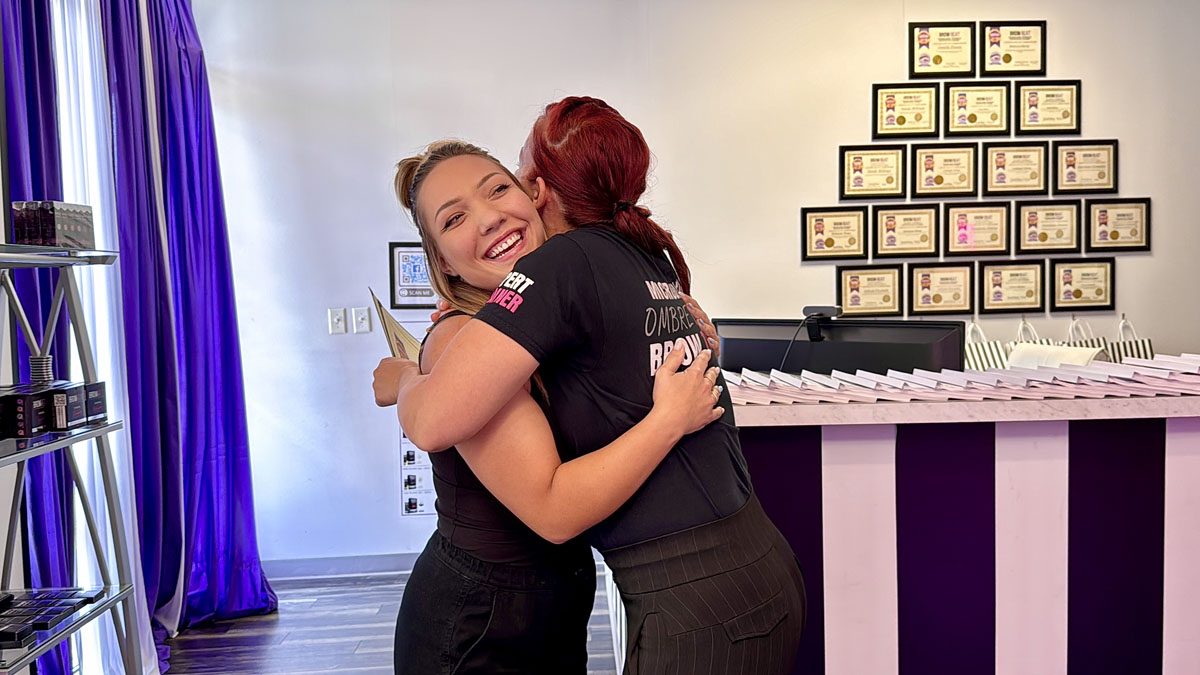
Students entering structured in-person programs like advanced brow certification programs in Dallas often report faster readiness for real-world application.
Learning Speed vs Learning Depth
Not all learning is equal.
Some environments focus on speed — getting through material quickly. Others prioritize depth — making sure concepts are fully understood and retained.
In-person training environments emphasize depth by allowing trainers to slow down instruction when necessary and adjust pacing based on student progress.
This results in stronger long-term skill development rather than rushed surface-level understanding.
The Power of Trainer Presence in the Classroom
One of the most underrated aspects of in-person education is trainer presence.
Being physically present allows instructors to:
- Observe hand posture
- Monitor pressure control
- Adjust grip technique
- Guide mapping placement
- Demonstrate alternate methods
These subtle adjustments often make the biggest difference in stroke quality and long-term technique success.
Learning Environment Shapes Your Professional Habits
Training is not just about learning microblading strokes — it’s about developing professional habits.
In-person environments naturally teach:
- Treatment station organization
- Workflow sequencing
- Tool setup habits
- Client preparation structure
These operational habits become the foundation of how artists perform treatments once certified.
Why Students Thrive With Structured Classroom Energy
Learning alongside peers creates momentum.
Seeing other students progress encourages consistency, motivation, and accountability. In-person classroom settings create an environment where students remain focused and engaged throughout training days.
This energy often leads to higher completion rates and stronger skill retention.
Learning Is Emotional — And Support Matters
Microblading training challenges students mentally and emotionally.
It is normal to experience:
- Nervousness when starting
- Self-doubt during early practice
- Frustration while building consistency
Trainer support during these moments is critical. In-person instructors can recognize hesitation, offer encouragement, and help students push through learning plateaus.
Why Many Students Prefer Guided Certification Programs
Certification programs that combine structured curriculum with in-person instruction allow students to progress systematically.
Programs that integrate business education through resources such as professional business training support also help students understand how skills translate into real-world practice.
This holistic training approach prepares students beyond technique alone.
Learning Microblading Is a Skill Investment
Choosing how you learn is just as important as choosing what you learn.
The training environment shapes:
- Your technical foundation
- Your professional confidence
- Your workflow habits
- Your long-term growth trajectory
That’s why many serious students prioritize immersive in-person education when selecting certification programs.
Students who learn best through hands-on instruction often see faster progress when they enroll in structured in-person programs such as microblading classes in Dallas with combo brow training, where real-time feedback and physical technique correction become part of the daily learning environment.
For learners who prefer immersive education experiences, programs like microblading and ombré brow training in Texas offer comprehensive curriculum pathways that allow students to build layered technical confidence while working directly alongside experienced trainers.
Many students researching certification options compare different program formats before choosing in-person education. Resources such as Texas microblading and powder brow training programs help new learners understand the structure, pacing, and technical expectations involved in professional cosmetic tattoo education.
Advanced learners who want to move beyond beginner techniques often seek programs that combine hairstroke precision with shading structure. Courses like advanced brow training in Dallas are designed to support students who thrive with trainer-guided refinement and hands-on technique development.
Students who prefer physical practice environments frequently choose hands-on microblading and powder brow training in Dallas because in-person education allows for immediate posture correction, tool control feedback, and real-time mapping adjustments.

What Type of Learner Are You? Why In-Person Training Accelerates Skill Development
Not all students learn the same way. Some people absorb information best through reading. Others need repetition. Many learn fastest by physically doing the work with guidance beside them.
If you are a tactile learner, visual learner, or hands-on learner, in-person education often produces stronger early technical results. This is why many students choose structured classroom environments such as microblading classes in Dallas with combo brow training where instructors can correct posture, hand positioning, pressure control, and mapping accuracy in real time.
Cosmetic tattooing is not only theory-based. It is a muscle memory skill. Stroke direction, shading rhythm, depth control, and mapping symmetry all require guided repetition. In-person programs allow trainers to observe mistakes immediately and help students adjust before incorrect habits form.
For learners who benefit from instructor presence, facial expression feedback, and direct demonstration, classroom-based education shortens the learning curve dramatically compared to self-guided training environments.
Students often report feeling more confident leaving in-person training because they have already practiced under professional supervision instead of guessing whether they are performing techniques correctly.
Why Immersive Training Environments Create Faster Technical Confidence
When students train in structured classroom environments, learning becomes immersive. Instead of watching videos alone, students work alongside instructors and peers, allowing continuous feedback and collaborative growth.
Programs such as microblading and ombré brow training in Texas are designed to layer knowledge step by step — starting with foundational mapping systems, moving into stroke control practice, and progressing into shading structure development.
This type of immersive education allows students to see live demonstrations, ask questions in real time, and receive personalized technique correction during practice sessions.
Many new artists also explore structured certification pathways through Texas microblading and powder brow training programs because they offer organized learning progression rather than fragmented technique instruction.
In-person classrooms also create accountability. Students remain focused, engaged, and consistent with training schedules, which often leads to stronger retention of information and faster technical improvement.
When education becomes interactive instead of passive, students develop confidence more naturally and progress into professional-level skill development with greater stability.
Why Real-Time Trainer Interaction Changes Everything in Brow Education
One of the biggest differences between fast-growing students and slow-progress learners comes down to one simple factor: immediate feedback.
Cosmetic tattooing is not a “watch once and master later” skill. It requires constant micro-adjustments in pressure, angle, hand position, mapping alignment, pigment saturation, and stroke spacing. When students practice without professional observation, mistakes often go unnoticed — and repeated mistakes become habits.
In an in-person training environment, instructors are physically present to observe every stage of the learning process. This means corrections happen in real time, not weeks later after poor habits have already formed.
Programs such as hands-on microblading and powder brow training in Dallas emphasize instructor-guided practice specifically for this reason. Students are not left guessing whether their depth is correct, whether their stretch is effective, or whether their mapping lines are properly aligned.
Instead, trainers walk the room, monitor technique, demonstrate adjustments, and help students recalibrate instantly. This live coaching environment dramatically shortens the learning curve.
In-Person Feedback Builds Muscle Memory Faster
Muscle memory is built through repetition — but only if the repetition is correct.
When trainers physically observe hand movements, they can help students adjust wrist posture, blade angle, machine control, stroke flow, and spacing rhythm. These tiny refinements make massive differences in final results.
Without instructor feedback, students may unknowingly apply too much pressure, hold incorrect angles, or overwork the skin during early practice sessions. These errors not only slow skill development — they can create long-term technical limitations.
In-person environments allow instructors to stop incorrect technique immediately and demonstrate proper execution on the spot. This type of guided repetition trains the hands and the brain together.
One-on-One Attention Creates Confidence, Not Guesswork
Many students enter training feeling excited but nervous. Cosmetic tattooing involves working on real skin and delivering visible results. Confidence matters.
In classroom environments, students benefit from personalized instructor attention. Trainers can evaluate individual progress, identify strengths, and address specific challenges.
This personalized approach allows students to:
- Ask technique questions in real time
- Request demonstrations on specific problem areas
- Receive customized mapping guidance
- Clarify pigment selection questions
- Understand workflow sequencing more clearly
Rather than relying solely on pre-recorded content, students gain clarity through conversation, observation, and direct mentorship-style instruction during training hours.
Instructor Demonstrations Create Visual Learning Anchors
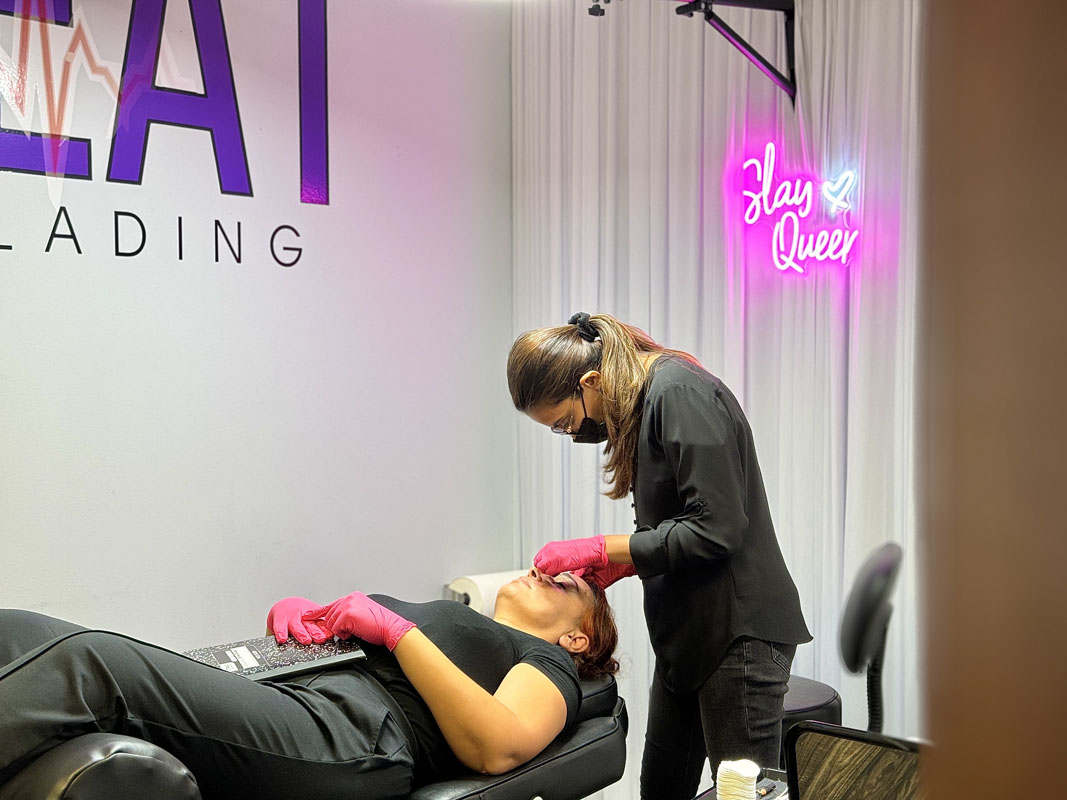
Many students are visual learners. Seeing technique performed live — not just on video — helps reinforce understanding.
In-person training allows students to watch instructors demonstrate:
- Mapping system execution
- Stroke direction flow
- Shading pattern layering
- Machine handling posture
- Stretching technique
Live demonstrations provide visual reference points that students can immediately replicate during practice sessions.
This immediate transition from observation to application strengthens retention and accelerates skill development.
Positive Correction Culture Builds Growth Mindset
One of the most powerful benefits of structured in-person training environments is positive correction culture.
Students are encouraged to view mistakes as part of the learning process rather than failures. Trainers help students understand what went wrong, why it happened, and how to correct it moving forward.
This supportive feedback loop allows students to progress faster without becoming discouraged.
Instead of feeling overwhelmed, students learn to:
- Accept technique adjustments constructively
- Refine their skills step by step
- Build consistency over time
- Develop professional confidence
Programs such as why choose microblading and powder brow certification in Dallas emphasize this growth-based teaching approach, helping students stay motivated throughout the learning process.
Classroom Energy Enhances Learning Momentum
Another often overlooked advantage of in-person training is learning momentum created by classroom energy.
When students train alongside others pursuing the same goals, motivation increases. Watching peers improve encourages healthy competition and shared accountability.
This collaborative environment keeps students engaged throughout long training days and encourages consistent practice habits.
Students often report that classroom interaction helps them stay focused, energized, and mentally invested in the learning process.
Why Real-Time Adjustment Prevents Long-Term Technique Problems
Early-stage technique development sets the foundation for future skill progression.
When students learn correct hand positioning, pressure control, and mapping alignment from the beginning, they avoid the frustration of relearning later.
Instructors can identify issues such as:
- Uneven stroke spacing
- Overworking the skin
- Improper stretching technique
- Inconsistent machine speed control
- Incorrect needle depth application
Correcting these early prevents future limitations and builds stronger technical consistency.
Face-to-Face Communication Improves Technique Clarity
In-person communication allows students to receive clarification instantly.
Instead of waiting for email replies or replaying video segments, students can ask direct questions and receive immediate explanations from instructors.
This back-and-forth interaction eliminates confusion and helps students understand technique reasoning rather than memorizing steps blindly.
Clear understanding leads to better long-term execution.
Why Learning Speed Matters in Professional Development
Faster learning does not mean rushing. It means structured progress supported by professional guidance.
Students who receive instructor feedback develop stronger foundational skills early, which allows them to progress into advanced techniques more confidently.
This accelerated learning path gives students a stronger technical base for long-term career development.
Trainer Interaction FAQ: What Students Want to Know Before Enrolling
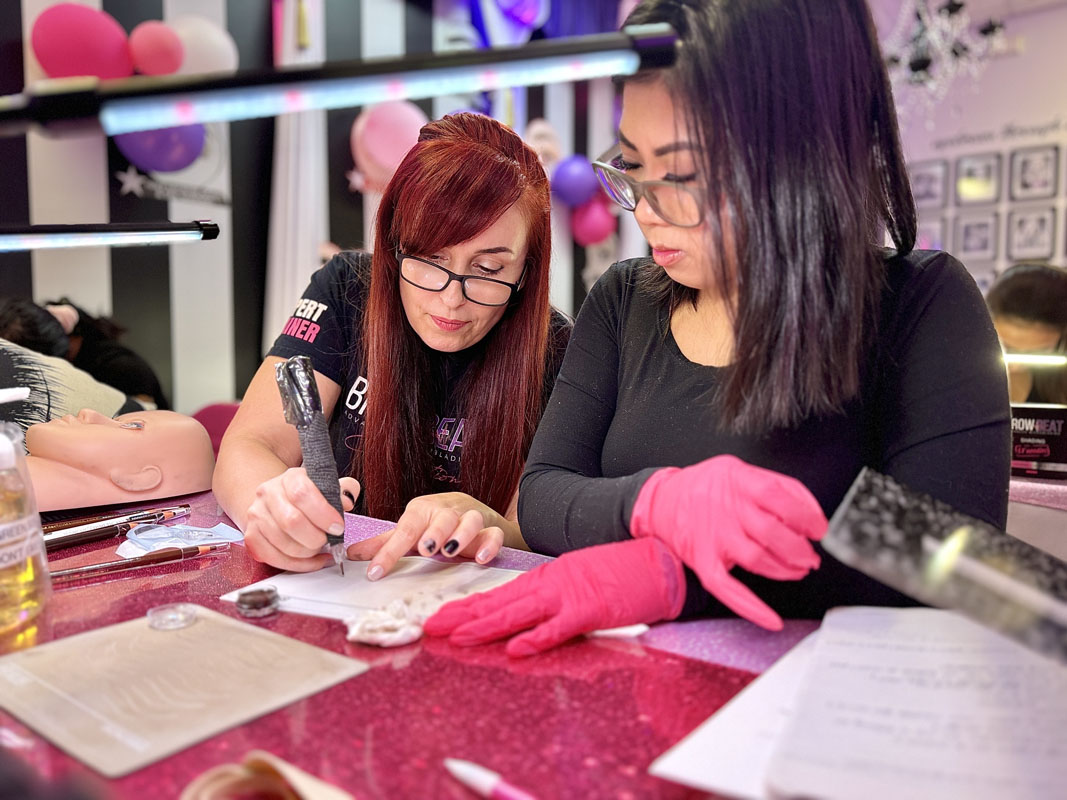
Students considering in-person brow certification training often ask detailed questions about instructor involvement, classroom interaction, and hands-on feedback. Below are some of the most common questions future students ask when choosing a professional training environment.
1. Will I receive direct one-on-one attention during training?
Yes. In structured in-person programs, instructors actively circulate throughout the classroom to observe technique execution, mapping alignment, hand positioning, and tool handling. This allows students to receive personalized adjustments rather than generalized instruction.
2. Do trainers physically demonstrate techniques in front of students?
Professional training environments prioritize live demonstrations. Students observe instructors perform mapping layouts, stroke pattern techniques, shading control, and machine handling methods before practicing themselves.
3. Can I ask questions during hands-on practice sessions?
Absolutely. Live classroom environments allow students to pause, clarify technique concerns, and request instructor feedback during active training sessions instead of waiting until after class.
4. Will instructors correct my technique if I make mistakes?
Yes. Real-time correction is a core benefit of in-person training. Trainers identify small technical issues early and guide students toward proper execution before habits develop.
5. How personal is the feedback process?
Feedback is individualized. Trainers evaluate each student’s progress and tailor guidance based on learning speed, skill development, and technique challenges.
6. Will instructors help with brow mapping alignment?
Yes. Mapping precision is closely monitored during in-person training. Instructors review brow symmetry, facial proportions, and reference point placement to ensure structural accuracy.
7. Are students allowed to practice repeatedly under supervision?
Repetition is encouraged. Students perform multiple practice rounds while instructors monitor technique consistency and improvement over time.
8. Do trainers assist with hand positioning and posture?
Yes. Proper ergonomics and hand posture reduce fatigue and improve stroke accuracy. Trainers provide physical positioning guidance during practice sessions.
9. Is pigment application technique reviewed by instructors?
Yes. Trainers monitor pigment saturation control, layering techniques, and blending consistency to ensure students understand proper application methods.
10. Can instructors provide feedback on shading density and gradient balance?
Yes. Powder brow shading techniques require balance between softness and structure. Instructors guide students on pixel spacing, gradient flow, and density control.
11. Will trainers help students adjust pressure control?
Pressure management is one of the most important aspects of cosmetic tattooing. Trainers help students identify when they are working too lightly or applying excessive force.
12. Do instructors explain the reasoning behind technique adjustments?
Yes. Good training programs emphasize understanding technique principles rather than memorization. Students learn why adjustments are needed, not just what to change.
13. Are mistakes treated as learning opportunities?
Absolutely. Positive correction culture allows students to grow without fear of failure. Trainers guide students through improvement steps constructively.
14. Will instructors provide workflow guidance?
Yes. Students learn full treatment sequencing, including setup, preparation, mapping flow, execution order, and closing procedures.
15. How involved are instructors throughout the training process?
Instructors remain actively engaged throughout classroom sessions, ensuring students receive ongoing guidance, encouragement, and real-time support.
How Instructor Support Builds Long-Term Confidence
Confidence is one of the most valuable outcomes of professional training.
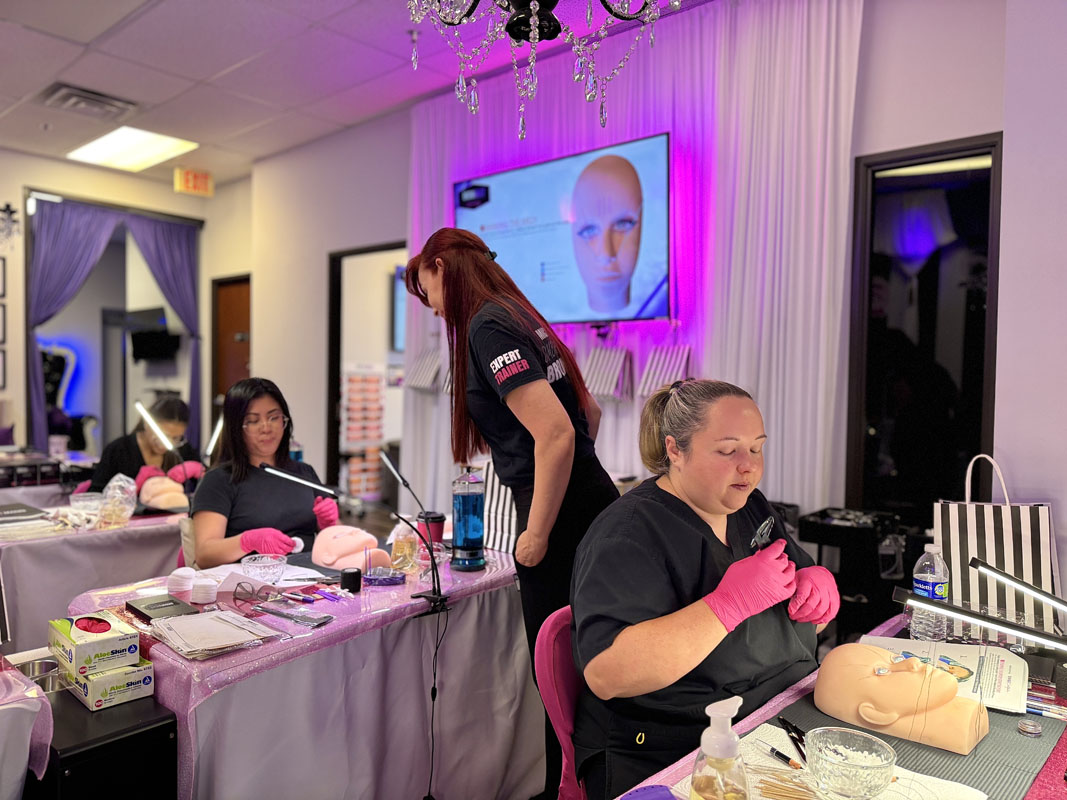
Students who receive consistent instructor guidance develop stronger trust in their own abilities. Rather than second-guessing every stroke or shading pattern, they learn to execute techniques with clarity and intention.
This confidence grows through:
- Repetition with feedback
- Instructor reassurance
- Skill validation
- Technical consistency
Programs such as advanced brow training in Dallas emphasize confidence-building frameworks that support students throughout their learning journey.
Why Skill Confidence Impacts Career Growth
Strong technical confidence translates directly into professional success.
Students who understand their tools, mapping systems, and application techniques feel more comfortable progressing into professional environments.
This confidence affects:
- Client communication comfort
- Service flow efficiency
- Treatment consistency
- Professional presentation
Confidence allows artists to focus on precision rather than anxiety.
From Student to Professional: Building Real-World Readiness
Training is not only about learning strokes and shading patterns. It is about preparing students to operate professionally.
Modern certification programs focus on creating structure that mirrors real treatment environments.
Students learn:
- Station setup procedures
- Workflow organization
- Equipment handling routines
- Service pacing strategies
- Professional etiquette standards
This preparation helps students transition from classroom learning to professional service environments with greater ease.
Why Hands-On Training Builds Stronger Technical Foundations
Hands-on practice reinforces muscle memory, technique control, and workflow repetition.
Programs such as Dallas brow training microblading powder combo programs integrate multiple technique formats to ensure students develop broad technical exposure.
This diversified training approach strengthens foundational understanding and prepares students for multiple brow treatment styles.
Learning to Trust Your Technique
As students progress through training, they begin to recognize patterns in their own improvement.
Repeated guided practice allows students to:
- Identify stroke consistency improvements
- Recognize mapping alignment accuracy
- Control shading density more effectively
- Improve hand stability
This self-awareness builds professional intuition over time.
Professional Growth Starts With Structured Education
Certification training creates the foundation for long-term growth.
Students who invest in structured education gain not only technical knowledge but also learning discipline, professional habits, and skill accountability.
These traits continue to support success long after training is complete.
Preparing Students for Ongoing Skill Development
Training does not end after certification.
Professional artists continue refining technique, exploring advanced methods, and strengthening consistency through continued practice.
Strong foundational training allows students to adapt more easily as industry techniques evolve.
Understanding Your Learning Style Before Choosing Brow Training
Not all students learn the same way.
Some people absorb information best by watching demonstrations. Others need hands-on repetition. Some learners require real-time feedback to understand subtle technique adjustments.
Understanding how you personally learn can dramatically influence how quickly you develop professional brow skills.
In cosmetic tattoo education, learning style matters even more because the work is tactile, technical, and precision-based.

The Three Most Common Learning Styles in Brow Training
Visual Learners
Visual learners absorb information by watching demonstrations, observing instructor technique, and seeing step-by-step processes unfold.
In-person training benefits visual learners by providing:
- Live mapping demonstrations
- Stroke pattern observation
- Shading technique viewing
- Equipment handling walkthroughs
Seeing instructors perform techniques in real time helps visual learners internalize movement patterns and workflow sequencing.
Hands-On (Kinesthetic) Learners
Kinesthetic learners thrive through physical practice and repetition.
These students learn best by:
- Holding tools
- Practicing strokes
- Repeating mapping exercises
- Receiving physical feedback
Hands-on learners often progress faster in in-person environments where instructors can guide posture, pressure control, and hand positioning directly.
This is why programs such as hands-on microblading powder brow training in Dallas are especially beneficial for students who learn by doing.
Auditory Learners
Auditory learners retain information through explanation and discussion.
In live classroom environments, these students benefit from:
- Instructor verbal walkthroughs
- Question-and-answer sessions
- Group discussion clarification
- Technique explanation breakdowns
Real-time dialogue allows auditory learners to process complex technique concepts more effectively.
Why Cosmetic Tattoo Training Is Naturally Hands-On
Microblading and powder brow techniques require:
- Precise motor control
- Steady hand movement
- Depth consistency
- Directional stroke awareness
- Pressure sensitivity
These skills cannot be mastered through theory alone.
They require repeated physical practice paired with professional guidance.
Muscle Memory: The Hidden Key to Brow Mastery
One of the most important aspects of cosmetic tattoo education is muscle memory development.
When students practice repeatedly under instructor supervision, their hands begin to move more naturally and confidently.
Muscle memory improves:
- Stroke smoothness
- Shading consistency
- Pressure control
- Movement rhythm
In-person training environments allow instructors to correct subtle movement errors early, helping students avoid developing inefficient habits.
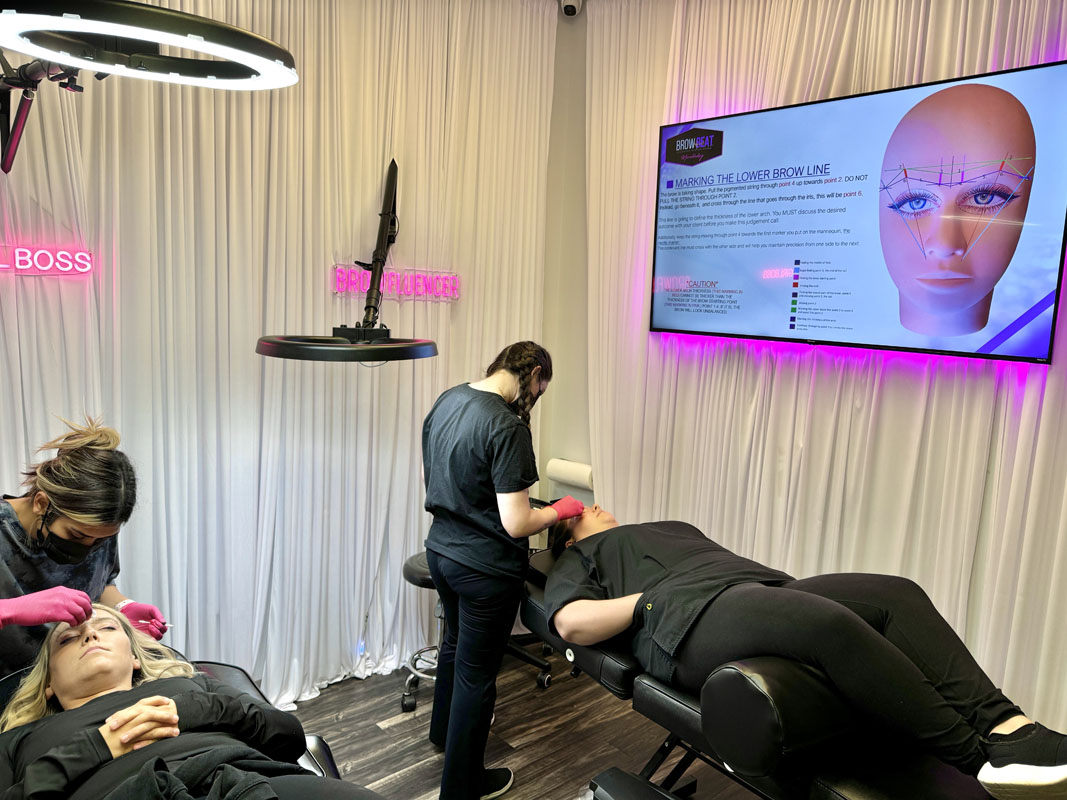
How In-Person Learning Accelerates Skill Progress
Students often report faster improvement when training in structured classroom environments.
This accelerated progress comes from:
- Immediate feedback loops
- Live demonstrations
- Guided repetition
- Peer observation
- Instructor modeling
Instead of guessing whether technique execution is correct, students receive direct confirmation and guidance.
The Confidence Advantage of Live Instruction
Confidence grows when students know they are practicing correctly.
In-person training allows instructors to validate technique development and reassure students when progress is on track.
This validation reduces self-doubt and builds professional readiness.
Learning Environment Matters More Than You Think
The physical learning environment also plays a major role in student success.
Professional classrooms provide:
- Proper lighting setups
- Ergonomic seating arrangements
- Organized workstations
- Controlled practice conditions
These elements mirror real treatment environments and help students transition smoothly into professional practice.
Why Structured Classroom Flow Supports Skill Retention
In-person training programs often follow structured lesson pacing.
This allows students to:
- Absorb theory first
- Observe demonstrations
- Practice immediately afterward
- Receive corrective feedback
This learning sequence reinforces memory retention and skill integration.
Peer Learning Creates Additional Growth Opportunities
Training alongside other students provides additional learning advantages.
Peer interaction allows students to:
- Observe different technique approaches
- Share learning experiences
- Discuss challenges
- Build industry connections
This collaborative environment enhances motivation and accountability.
Choosing the Right Learning Format for Your Goals
Every student enters training with different goals.
Some prioritize speed of learning. Others focus on deep technical understanding. Some value structured guidance and instructor interaction.
Understanding your learning style helps ensure your training environment supports your long-term success.
Why Professional Certification Programs Emphasize In-Person Education
Programs such as why choose microblading and powder brow certification in Dallas highlight the value of structured classroom education for building strong technical foundations.
Hands-on instruction remains a cornerstone of professional cosmetic tattoo education.
Preparing Yourself for Skill Mastery
Before enrolling, students should reflect on:
- How they learn best
- How much guidance they prefer
- How quickly they want to progress
- What level of support they value
Making this decision intentionally helps students maximize training outcomes.
The Bigger Picture: Long-Term Skill Development
Training is not just about completing certification.
It is about building a foundation that supports long-term professional growth.
Strong learning environments accelerate development and prepare students for ongoing improvement throughout their careers.
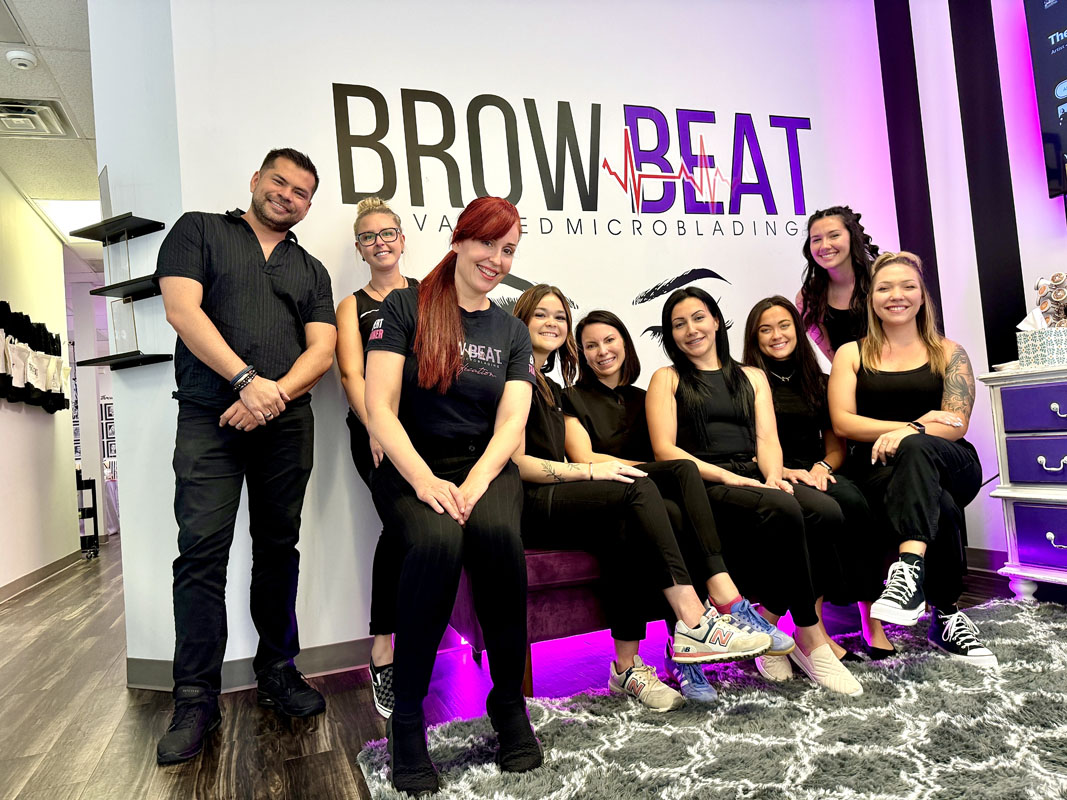
How to Decide If In-Person Brow Training Is Right for You
Choosing the right training format is a personal decision. Every student enters the cosmetic tattoo industry with different goals, learning preferences, and timelines.
Before enrolling, it is helpful to ask yourself:
- Do I learn better through hands-on practice?
- Do I value immediate feedback and real-time correction?
- Do I prefer structured classroom environments?
- Do I want guided repetition rather than independent trial-and-error?
Answering these questions honestly can help determine whether in-person certification training aligns with your learning style and professional goals.
What Successful Students Have in Common
While every student is different, successful trainees often share similar traits.
They tend to:
- Remain open to feedback
- Practice consistently
- Ask questions
- Accept correction as growth
- Commit to structured learning
In-person environments naturally support these behaviors by providing accountability, guidance, and encouragement throughout the training process.
Why Structured Education Creates Long-Term Skill Stability
Cosmetic tattooing is a precision-based profession. Strong foundations matter.
Students who invest in structured education develop more consistent techniques and professional habits that support long-term growth.
This stability allows artists to:
- Refine skills over time
- Expand into advanced techniques
- Maintain technical consistency
- Build professional confidence
Well-organized training programs provide the structure necessary to support continued development.
Dallas as a Training Destination for Brow Education
Dallas has become a popular destination for cosmetic tattoo education due to its strong beauty industry presence and access to experienced trainers.
Students training in Dallas benefit from:
- Professional studio environments
- Active cosmetic tattoo communities
- High demand for brow services
- Advanced education availability
This makes Dallas an ideal location for building strong foundational training skills.
Preparing Yourself Mentally Before Training Begins
Before attending training, students should prepare mentally as well as technically.
Successful learning requires:
- Patience
- Focus
- Willingness to learn
- Commitment to practice
Approaching training with a growth mindset allows students to absorb information more effectively and stay motivated throughout the learning process.
Learning Is a Process, Not a Single Event
Certification is the beginning of your education, not the end.
Professional growth continues as artists refine technique, build experience, and adapt to evolving industry standards.
Strong foundational training gives students the confidence and skill base to continue developing throughout their careers.
Final Thoughts on Choosing the Right Learning Environment
The learning environment you choose plays a major role in your long-term success.
In-person training offers structure, feedback, accountability, and hands-on practice that many students find essential for mastering cosmetic tattoo techniques.
By understanding your learning style and professional goals, you can choose an education pathway that supports your growth and development.
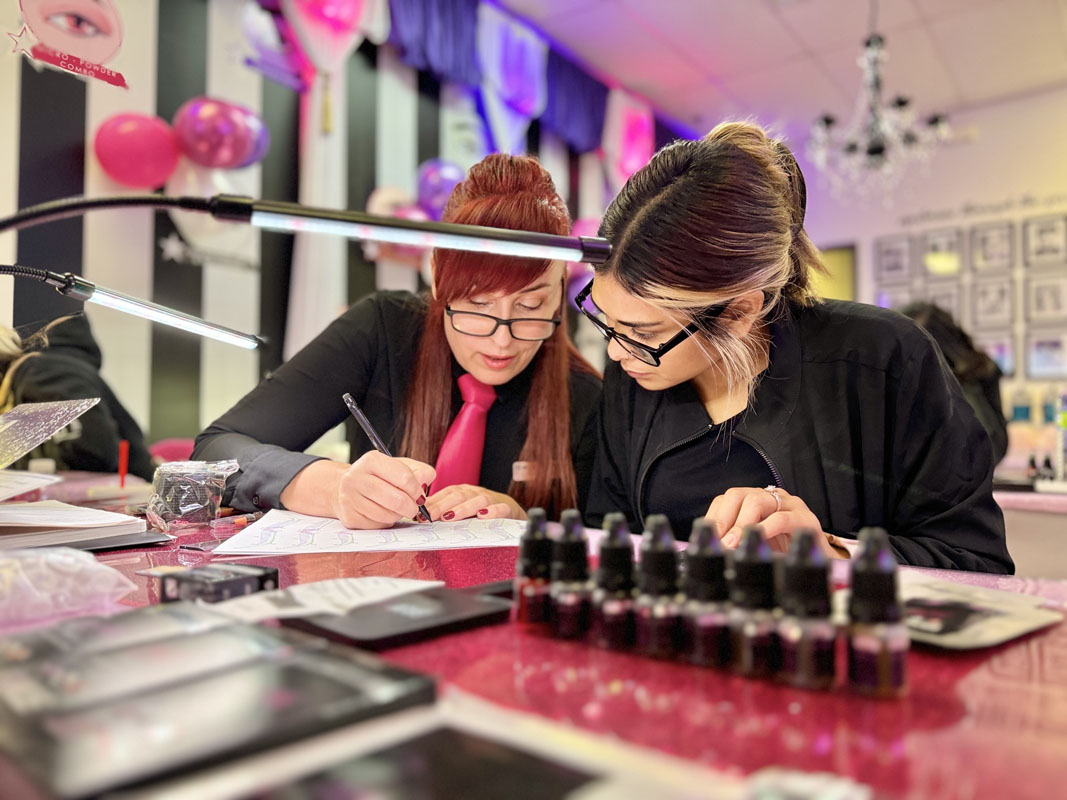
Begin Your Brow Training Journey
If you are ready to explore professional brow certification education in Dallas, structured in-person programs offer immersive learning environments designed to support hands-on skill development.
Schedule your appointment to learn more about available training opportunities and take the first step toward building your cosmetic tattoo education foundation.
Get inspired about microblading and ombre powder brow training with more informative blogs:
Considering a career in nursing? Think about going into this field instead…
Thinking about going to school to become a nail tech?
New ways to make money for tattoo artist
How Much Do Microblading Cost And Other Facts
As Women in Life We Have a Great Deal of Pressure
Microblading Skills Artists Need To Learn
If You’re A Salon Owner, Get Microblading Training Dallas Immediately