

Last Updated: January 2026
The beauty education landscape in Dallas has shifted massively over the last few years — and not in a quiet, subtle way. It’s more like: one minute you’re hearing “microblading” in passing, the next minute every other person is asking who did your brows. That’s not just consumer hype. It’s the ripple effect of a service category that keeps expanding, maturing, and attracting students who want real, specialized cosmetic tattoo skills.
Today, microblading and ombré powder brow certification training in Dallas continues to grow because the industry is no longer built on quick workshops and vague “tips.” Students want structure. They want a plan. They want a clear path from beginner curiosity to real skill development — the kind you can repeat, refine, and build on.
And that’s the key difference now: the demand isn’t just for brows. It’s for professional brow education.
Rather than focusing only on “what clients want,” more professionals are paying close attention to what the market is actually rewarding: artists who understand technique and process. People who can map with intention, execute with consistency, and explain the steps like they actually know what they’re doing (because… they do).
This growth is driven by three big shifts:
- Increased awareness of semi-permanent makeup services as mainstream beauty options
- Expanded career pathways for students wanting skill-based certification training
- More comprehensive programs that teach multiple brow techniques inside a single learning track
Let’s break down why Dallas has become such a strong training hub — and why microblading and powder brow certification demand isn’t slowing down.
Why Dallas Has Become a Training Hub for Brow Certification
Dallas has emerged as one of the leading cities for cosmetic tattoo education because it’s a perfect storm of opportunity: a big beauty market, a consistent demand for brow services, and an audience that values appearance-focused self-care. That combination makes Dallas one of the most active environments for both services and training.
Students researching programs often look for cities that offer:
- Established training academies
- Structured curriculum development (not “winging it”)
- Hands-on education environments
- Industry-standard techniques taught with repeatable systems
This is why Dallas isn’t just a place people get brows done — it’s become a destination where students come to learn how to do them correctly.
And when a city attracts both clients and students, it creates something powerful: a constant feedback loop where training standards improve because the market expects more. That expectation pushes programs to teach deeper technique, better mapping, cleaner workflow, and stronger foundational understanding.
How Certification Demand Has Evolved
Earlier training programs often focused on single techniques taught in short workshops — a little theory, a little demo, then a “good luck out there.” But the industry has matured. The modern student doesn’t want to buy three separate courses that repeat the same basics three times. They want one structured learning path that builds real technique progression.
Today’s students are seeking more comprehensive education that includes:
- Microblading hairstroke pattern development
- Ombré powder brow shading techniques
- Foundational combo brow structure concepts
- Professional mapping systems
- Workflow sequencing and treatment order
This shift reflects the industry’s movement toward higher technical standards and stronger professional preparation.
Clients are more informed now. They compare results, read reviews, and ask better questions. That means future artists need a stronger foundation — and training programs that provide true structure are the ones pulling the most demand.
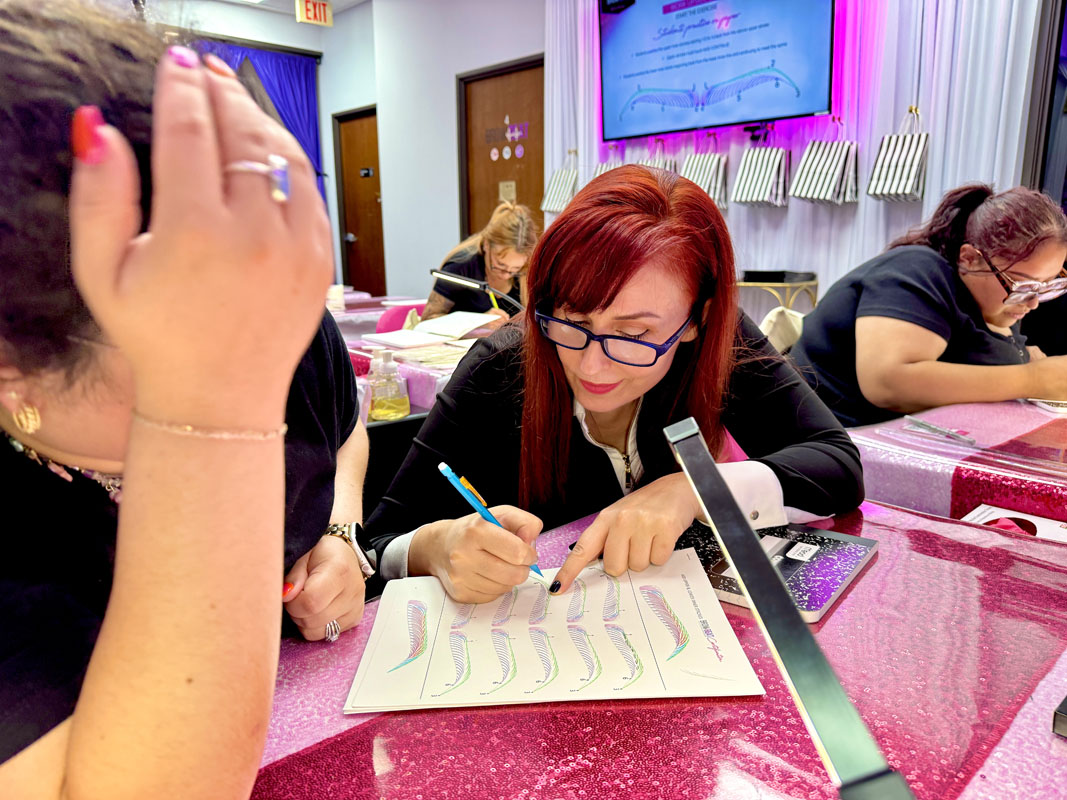
The Role of Structured Education in Cosmetic Tattoo Training
Professional certification programs emphasize methodical learning rather than rushed instruction. That matters because this is a technical skill set. It’s learned through repetition, consistent process, and controlled practice — not through vibes.
Students progress through training stages that include:
- Theoretical foundations (how skin, pigment, and healing work)
- Simulation exercises (controlled practice to build muscle memory)
- Partner mapping practice (real face structure without rushing into services)
- Controlled technique development (step-by-step progression)
Programs such as microblading certification training in Dallas are designed as layered education pathways that help students build confidence through repetition and guided instruction. Instead of overwhelming beginners with everything at once, the learning is organized — which is exactly what new students need.
And when training is structured correctly, it becomes easier to avoid the two biggest beginner problems in PMU education:
- Rushing technique before understanding mapping and workflow
- Practicing incorrectly and building bad habits early
Structured education creates a repeatable process: measure, map, plan, execute, review, adjust. When students follow a system like that, the skill becomes more consistent over time.
Why Ombré Powder Brows Are Now a Core Training Skill
Ombré powder brows have become an essential component of modern brow education — not an “extra” or an afterthought. Shading techniques allow artists to create soft gradients, structured density, and makeup-style finishes that many clients specifically request.
But the bigger reason powder brows are now a core training skill is that they help students understand machine control, pixel placement, and layering — which are technical concepts that elevate an artist’s overall ability.
Certification programs increasingly integrate powder brow training alongside microblading so students understand both manual and machine-based approaches. Many students explore ombré powder brow certification programs when comparing training pathways, especially if they want broader skill versatility inside one certification track.
And here’s the honest truth: the industry rewards flexibility. The more you understand multiple brow finishes, the better prepared you are to serve different client preferences over time — without being boxed into one look.
How Beginner-Friendly Programs Support New Students
One major factor driving training demand is accessibility. Modern certification programs are designed to support beginners with no previous cosmetic tattoo experience — but “beginner-friendly” doesn’t mean watered down. It means the training is organized in a way that helps students build skill without confusion.
Students are guided through:
- Tool handling basics
- Skin interaction principles
- Depth control education
- Pattern structure development
Instead of being overwhelmed, beginners build a foundation first — then progress into technique refinement. This structured learning environment helps students develop confidence through measurable improvement: cleaner strokes, better spacing, smoother shading, stronger mapping accuracy.
That’s part of why Dallas training demand keeps rising: students want a program that respects the learning curve and teaches in steps — not in chaos.
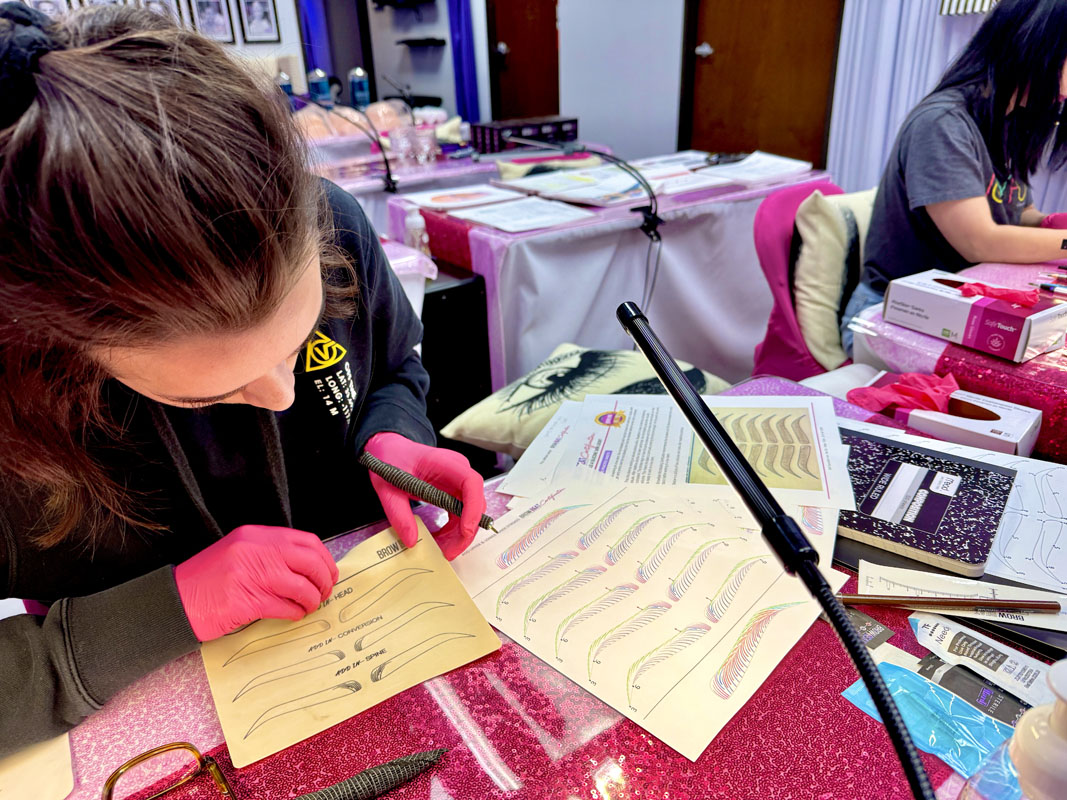
Why Multi-Skill Certification Programs Are Growing
Instead of separating training into multiple standalone courses, many academies now combine microblading, powder brows, and foundational combo brow concepts into unified certification programs. This approach reflects what students want: a practical pathway that covers the most requested brow styles without forcing them to re-learn the same basics repeatedly.
Multi-skill education is growing because it solves common student frustrations:
- Time efficiency: one cohesive curriculum instead of three disjointed ones
- Stronger foundation: mapping and workflow apply across all brow types
- Better versatility: students learn multiple finishes and client preferences
- Smarter progression: skills are layered in a logical order
Programs such as advanced brow training in Dallas reflect this integrated education model by teaching students how to think in systems — not just isolated techniques.
What Students Learn Inside Modern Brow Certification Programs
Today’s microblading and ombré powder brow certification programs are designed to prepare students for professional cosmetic tattoo workflows. Rather than focusing only on technique execution, modern training emphasizes full treatment structure — because that’s what creates consistency.
Students learn how to:
- Prepare treatment stations properly
- Organize supplies and equipment
- Follow step-by-step procedure flow
- Apply consistent design methodology
- Understand before/during/after expectations
It sounds simple — but these habits are what separate “I tried a brow service once” from “I understand how to run a brow treatment professionally.”
When workflow is taught clearly, students stop guessing. They know what to do first, what to do next, and what to do last. That reduces overwhelm and allows technique to improve faster because the brain isn’t juggling a hundred unknowns.
The Importance of Brow Mapping Education
Mapping is one of the most critical components of brow training — and it’s also one of the easiest things for beginners to underestimate. Many people assume mapping is “drawing a shape.” In reality, mapping is the blueprint that determines whether the brow will look balanced on the face.
Professional programs teach structured facial measurement systems that allow students to design brows based on proportional balance rather than visual guesswork.
Mapping instruction includes:
- Facial symmetry alignment
- Brow head positioning
- Arch placement reference points
- Tail alignment accuracy
Many students explore mapping-focused education through resources such as learn microblading in Dallas training programs that emphasize technical design systems. When mapping is taught as a repeatable method, students gain confidence because they’re not relying on “hope.” They’re relying on structure.
And mapping isn’t only for microblading. It supports powder brows and combo brows too — because every brow service starts with a shape plan. Without a plan, even great technique can land in the wrong place.
Simulation Training Builds Muscle Memory
Simulation exercises allow students to practice technique execution before transitioning into advanced training phases. This is where the “beginner” becomes more controlled — because repetition creates steadiness.
Simulation training focuses on:
- Stroke rhythm control
- Machine handling consistency
- Pressure management
- Directional pattern flow
This approach helps students develop steady movement habits and controlled application techniques. And it matters because brow work is not a “quick” service skill. It requires precision at every step — from your angle, to your depth, to your pressure, to your spacing.
Simulation exercises also reduce the panic factor. Students can build confidence in a controlled environment first. That makes later stages of training feel more manageable and less overwhelming.
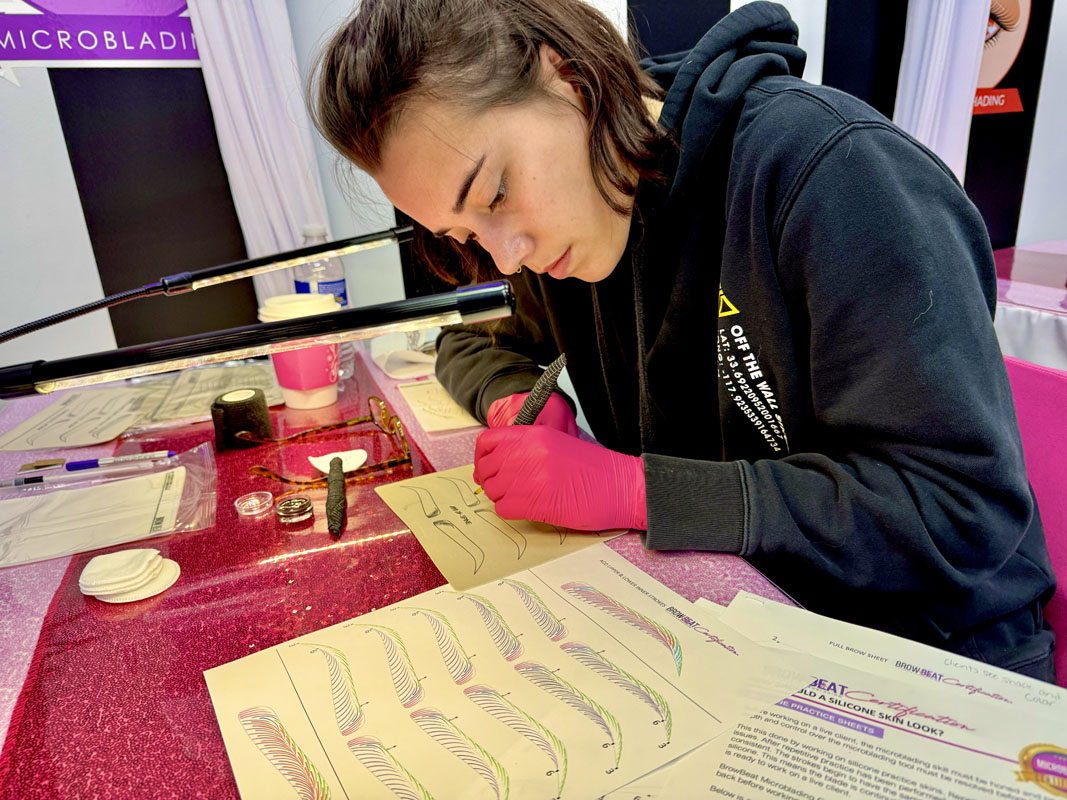
How Powder Brow Training Differs From Microblading
Powder brow shading uses machine-based techniques rather than manual blade strokes. The goal is different, the hand movement is different, and the building method is different.
Training focuses on:
- Pixel placement density control
- Gradient blending techniques
- Layering methods
- Soft finish creation
Understanding these differences helps students offer a broader range of brow styles and make better decisions for different client preferences. Microblading creates hairstrokes. Powder brows create a soft shaded finish. Combo brows blend elements of both.
When students learn these options together in one structured program, they’re not locked into a single result style. They can adapt — and that is one of the reasons certification demand keeps growing in Dallas. Students want training that prepares them for real-world variety.
Why Industry Demand Continues to Increase
The cosmetic tattoo industry continues to evolve as clients seek long-term beauty solutions that reduce daily routines. As awareness grows, the need for well-trained professionals increases alongside it — and that creates a direct rise in certification enrollment.
But there’s another factor: higher expectations.
Clients now recognize the difference between “brow work” and “trained brow work.” They want artists who understand design, technique, and healing — not just someone who can post a pretty photo once in a while.
This has led to stronger technical standards across training programs and a consistent increase in certification demand — especially in high-demand markets like Dallas.
Frequently Asked Questions About Brow Training Programs
Do I need beauty industry experience before enrolling?
No. Many programs are designed for beginners with no previous cosmetic tattoo background. The key is choosing a structured program that teaches in stages, with clear progression and repeatable practice.
Is both microblading and powder brow training included?
Comprehensive certification programs typically include both hairstroke and shading education. Many students prefer learning both so they can offer multiple brow finishes over time.
How long does training take?
Training timelines vary depending on program structure and student scheduling availability. Some programs deliver intensive in-person education plus guided practice components that students complete through structured repetition.
Is artistic talent required?
While creativity can be helpful, structured mapping systems support students throughout the learning process. Brow design is less about “art talent” and more about learning proportion systems and technique control.
Are certification programs regulated?
Programs provide educational instruction while students remain responsible for understanding local licensing requirements. Many programs share guidance resources and paperwork direction, but students should always confirm local requirements for their area.
How Business Education Supports Certification Students
Many training programs now include business fundamentals because technical skill is only one part of a successful service career. Students also need to understand appointment structure, client communication, and service workflow.
Students often explore educational resources such as business solutions training to better understand professional growth strategies, including how to build consistency in booking, how to structure service timing, and how to position brow services professionally.
This matters because the strongest artists don’t only learn “how to do brows.” They learn how to deliver a complete experience that clients trust — from the first interaction through aftercare communication.

Preparing for Long-Term Skill Development
Certification training represents the foundation of cosmetic tattoo education — not the end of learning. Students who approach training with consistency and structured practice habits build stronger technical confidence over time.
That’s another reason Dallas certification demand continues to grow: students are looking for programs that teach foundational systems they can refine. A strong foundation makes future growth easier. Mapping becomes faster. Strokes become cleaner. Shading becomes more controlled. And the student develops confidence because progress is measurable.
In a modern PMU landscape, the students who do best are typically the ones who treat training like skill-building, not like “collecting a certificate.” They show up, practice intentionally, and refine step-by-step.
Why Students Want a Dallas-Based Certification Experience
Dallas-based training continues to attract students from across Texas because the city supports a strong beauty industry and consistent demand for semi-permanent makeup services. That creates an environment where training programs are pressured to maintain higher standards — and students benefit from that.
Students often look for Dallas programs that offer:
- Clear curriculum structure
- Hands-on learning environments
- Strong mapping education
- Microblading and powder brow technique training in one track
When students can learn in a market where brows are in demand, the training feels more relevant — because everything they’re learning connects directly to real-world services people actively seek out.
What This Growth Means for Future Students
For beginners considering certification, rising demand is a signal that professional training is becoming more valuable — not less. The market is rewarding education, structure, and repeatable systems.
It also means that choosing the right training program matters more than ever. As the industry grows, the difference between “basic instruction” and “structured certification education” becomes clearer.
Students who want to build confidence through organized learning should prioritize programs that teach:
- Mapping systems that are repeatable
- Microblading stroke structure (not random lines)
- Powder brow shading control and layering
- Workflow sequencing and treatment order
- Practice systems that build muscle memory
This is exactly why certification demand keeps growing in Dallas — because the student audience is more informed, more intentional, and more focused on long-term skill development than ever before.
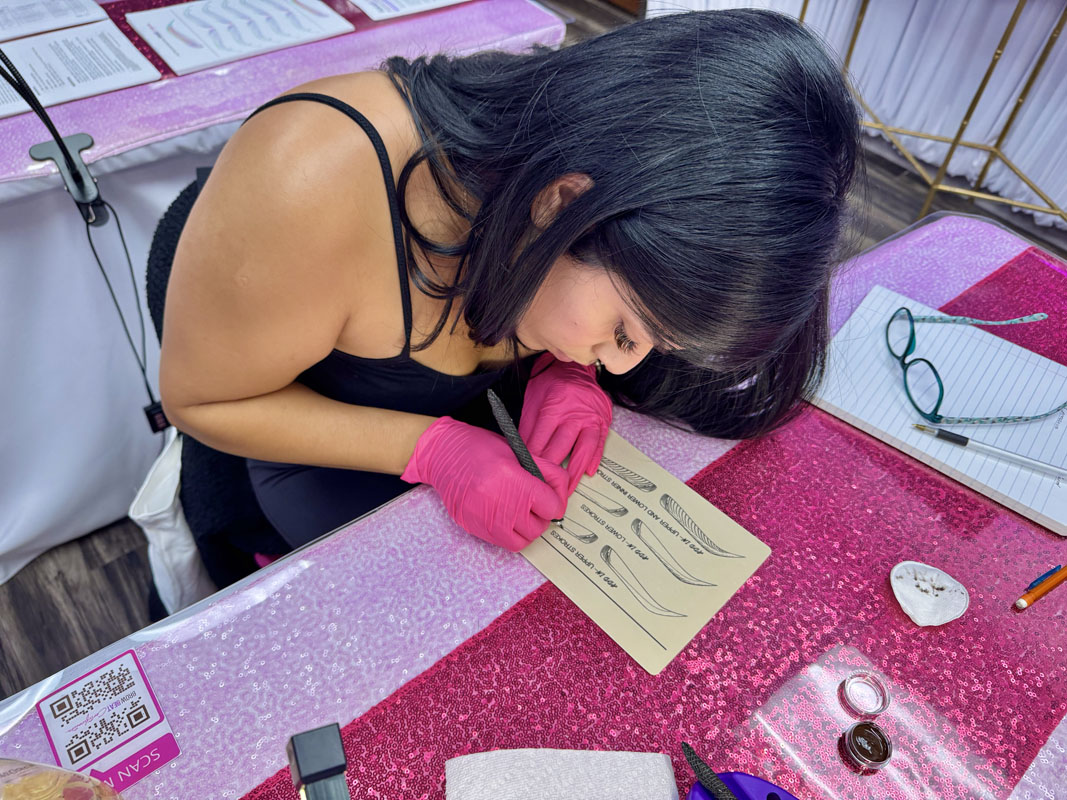
Enroll in Brow Certification Training
If you are interested in microblading and ombré powder brow certification education, structured programs are available in Dallas. The strongest programs focus on layered learning, organized workflow, and repeatable technique practice.
Begin your certification journey today and explore professional brow training opportunities.
Read more about our programming:
If You’re A Salon Owner, Get Microblading Training Dallas Immediately
Who Can and Can’t Get Microblading
Take microblading course in Dallas
As Women in Life, We Have a Great Deal of Pressure
Esthetician? Make Twice as Much by Doing Half the Work!
Microblading Training Certification: The Complete Journey
Are you working as a Registered Nurse Injector and looking to add more money to your income?