BROW MAPPING TRAINING FOR MICROBLADING
Brow mapping is the foundation of the brow design. Before Microblading strokes begin, before Ombre Powder Brow shading begins and before Combo Brows bring strokes and shading together, the artist needs a clear plan for the shape, placement and proportions of the brow.
BrowBeat Microblading Certification places strong emphasis on mapping because technical execution cannot compensate for a poorly planned design.
Students learn mapping as a structured, step-by-step process rather than being asked to draw a brow until it simply “looks right.” Each mapping line has a purpose, each reference point contributes information and the complete map is built through a sequence students can understand and repeat.
The goal is not to memorize a finished eyebrow shape. Students learn why the framework is being created, what the individual parts of the map represent and how the different reference points relate to one another. That understanding gives them something far more useful than a shape they can copy: it gives them a method for approaching different faces.
Students first develop the mapping system in a controlled training environment and apply it step by step on a mannequin. Once they understand the formula and what the mapping lines mean, they progress to mapping a partner so they can work with real facial features, natural brow growth and individual proportions. Partner mapping is design practice only; students do not perform live Microblading procedures during the exercise.
Why Brow Mapping Comes Before Microblading
Microblading is a manual hair-stroke technique, but the strokes need somewhere intentional to belong. The artist first needs to know where the brow begins, how the shape develops, where the highest points sit, how the tail relates to the natural brow and whether the complete design works with the person in front of them.
Without that planning stage, even technically clean strokes can be placed inside a weak design. The problem is no longer the quality of the individual stroke; it is the structure those strokes are being used to create.
This is why BrowBeat teaches mapping before technical execution. Students learn to establish the framework first so the eventual Microblading work is being performed within a design they have already considered and evaluated.
The same principle supports other brow techniques as well. Ombre Powder Brow shading and Combo Brow work still require a planned brow before the artist begins creating the finished technique. Mapping therefore becomes a shared design foundation even though the technical execution changes afterward.
mapping
Standard
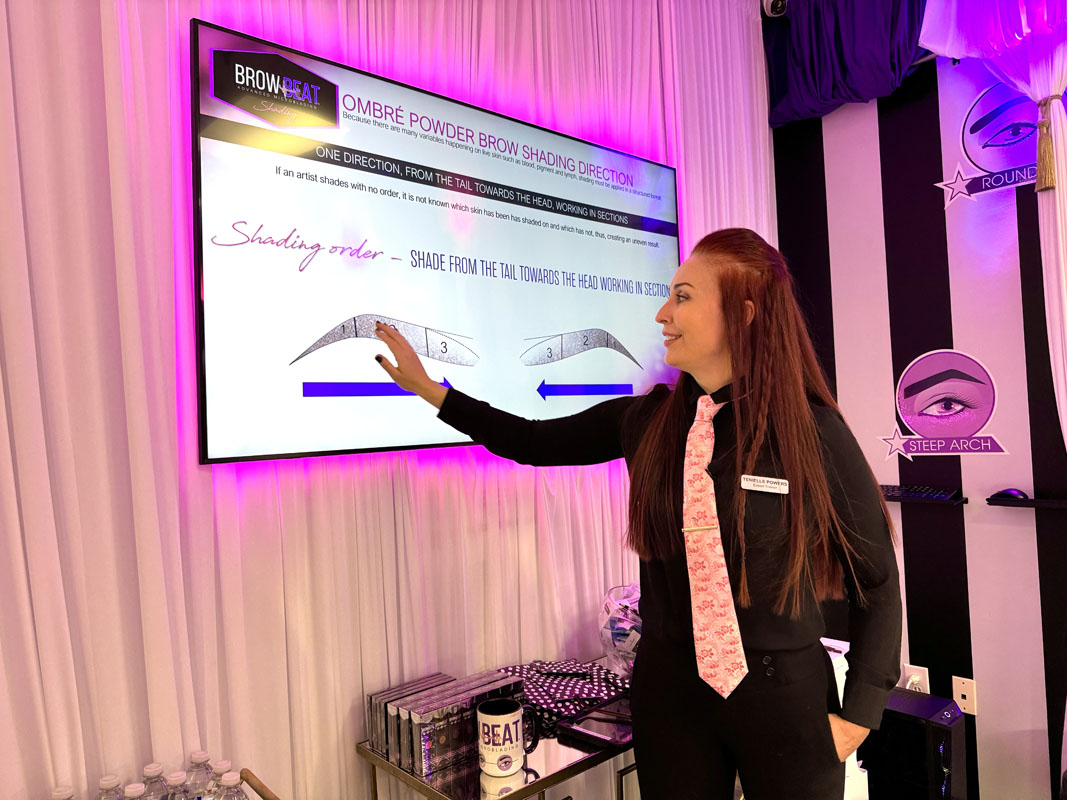
Watching trainers explain mapping steps provides students with visual references that support learning. Explanations illustrate how mapping lines relate to facial structure and reinforce microblading brow mapping training concepts.
The
Process
Students often arrive feeling unsure about mapping, yet gradually begin trusting the structured approach taught in class. This confidence emerges through guided practice and consistent reinforcement of brow mapping principles.


mapping
Alone
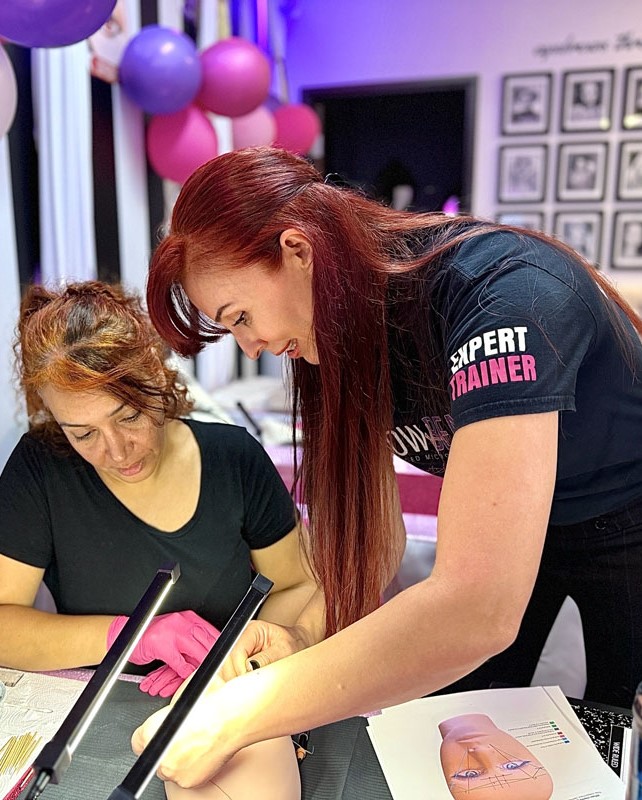
Mapping isn’t something students are expected to “figure out.” During microblading brow mapping training, trainers work side-by-side with students, guiding each line and explaining each decision. Students quickly realize this is not passive learning — it’s active support. Questions are welcomed, corrections happen in real time, and confidence builds naturally through interaction.
is
Explained
Students often say the biggest breakthrough happens when mapping stops feeling random. In class, each mapping line is broken down step by step so students understand why it exists, not just where it goes. This clarity transforms brow mapping for microblading students from a checklist into a visual system that makes sense.


confidence
First
Before partner mapping begins, students practice mapping on mannequins with full trainer guidance. This allows repetition without pressure and gives students time to absorb the rules. Microblading mapping technique becomes familiar through hands-on experience, creating a comfortable bridge between theory and real facial structure.
muscle
Memory
Simulation exercise allows students to map steps within a guided environment. This repetition strengthens muscle memory and helps the microblading mapping technique become smoother and more natural.


hands-on
Guidance
Many photos capture moments where trainers step in to refine a line or demonstrate a placement adjustment. These moments matter. Microblading brow mapping training is shaped by observation, correction, and encouragement — helping students feel supported while refining their skills.
real
Retention
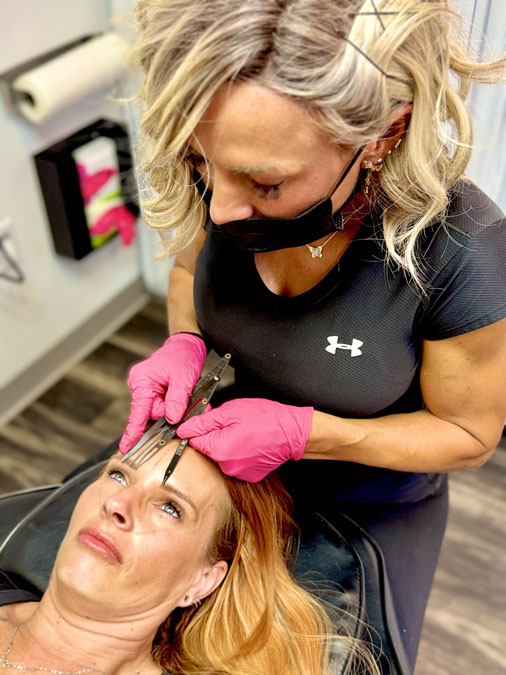
Mapping a live partner introduces real facial variation and strengthens retention. Students apply the same microblading mapping steps learned on mannequins while receiving trainer guidance. This experience reinforces structure recognition and helps mapping become something students can repeat confidently.

support
Document
Students receive a detailed step-by-step brow mapping support document designed to reinforce brow mapping skills, reference point placement, and design sequencing. This structured guide helps learners follow the full mapping workflow outside of class, supporting repetition, confidence, and long-term retention so the mapping process becomes consistent, intentional, and easy to recall during future treatments.
mapping
Training
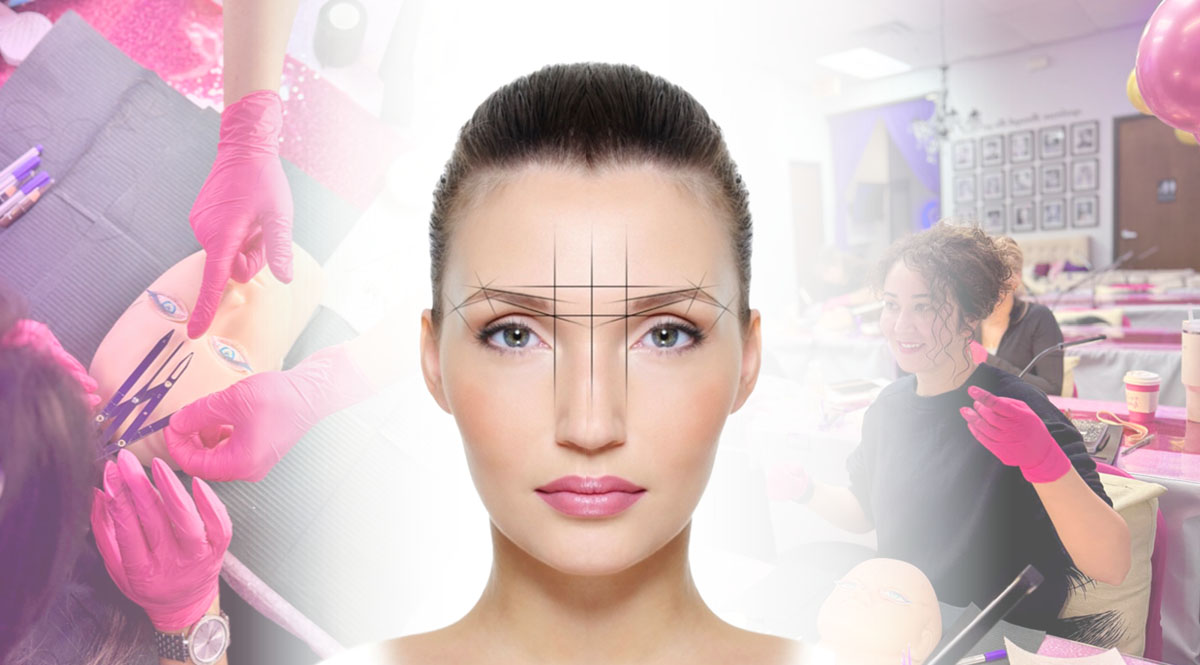
Microblading brow mapping training centers around six reference points that define brow heads, arches, and tails. This structured sequence provides a clear roadmap for students learning how to map eyebrows step by step.

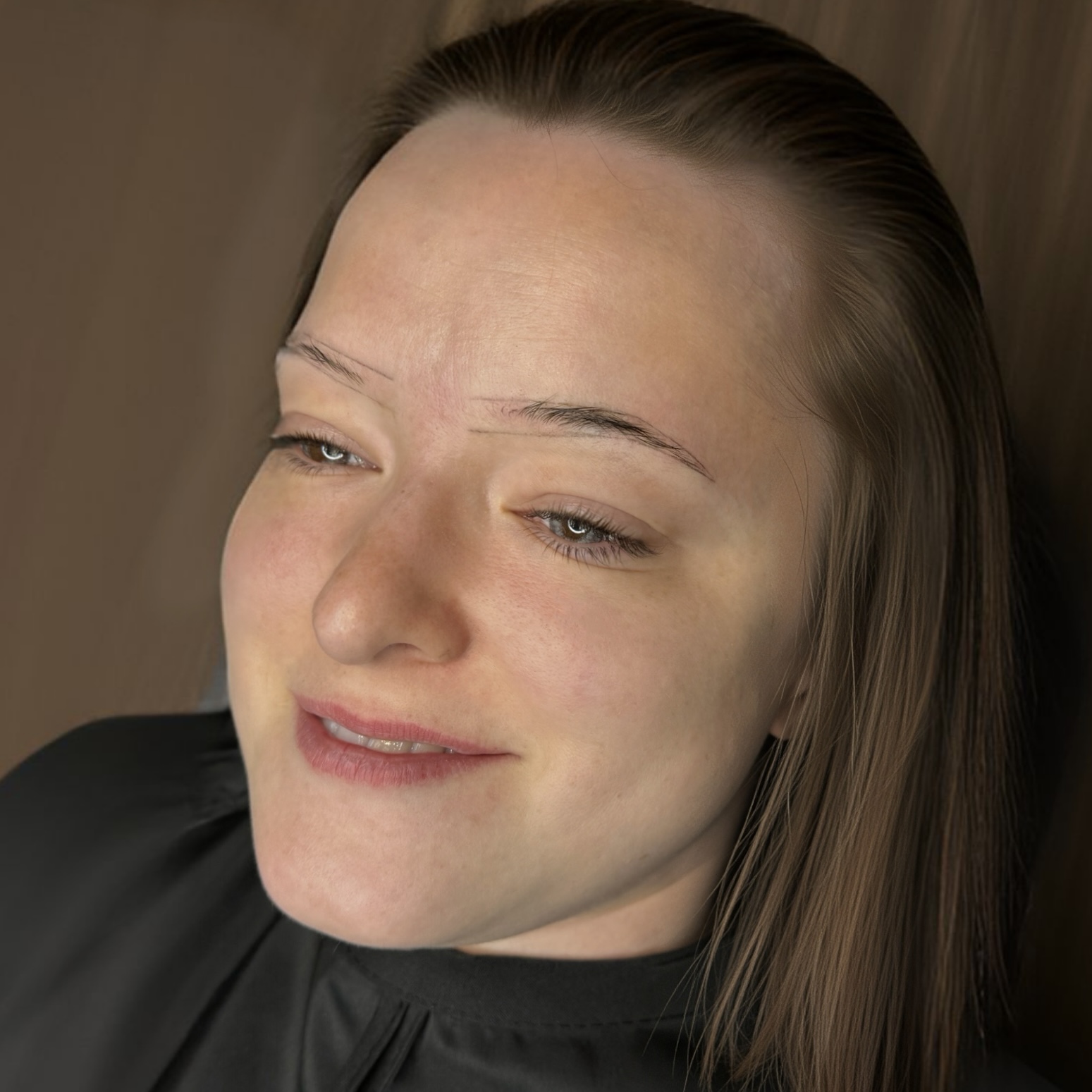
precision
Steps
String mapping introduces a visual alignment method that helps students connect facial landmarks quickly and accurately. This approach supports consistent proportional mapping while simplifying design.
cross
Sections
Brow mapping for microblading students focuses on efficiency through structure. A defined sequence of reference placement and alignment steps helps reduce hesitation while reinforcing mapping confidence.
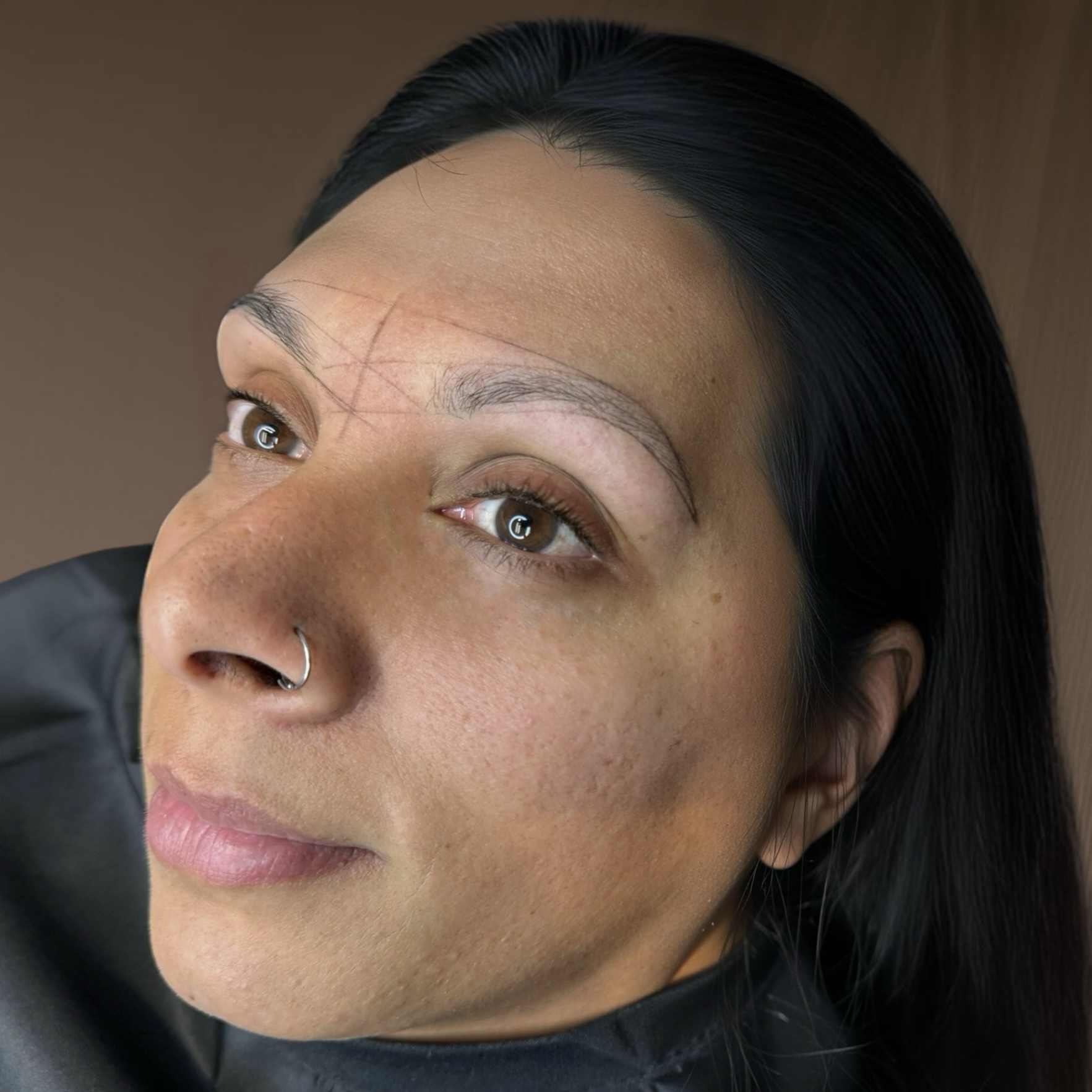
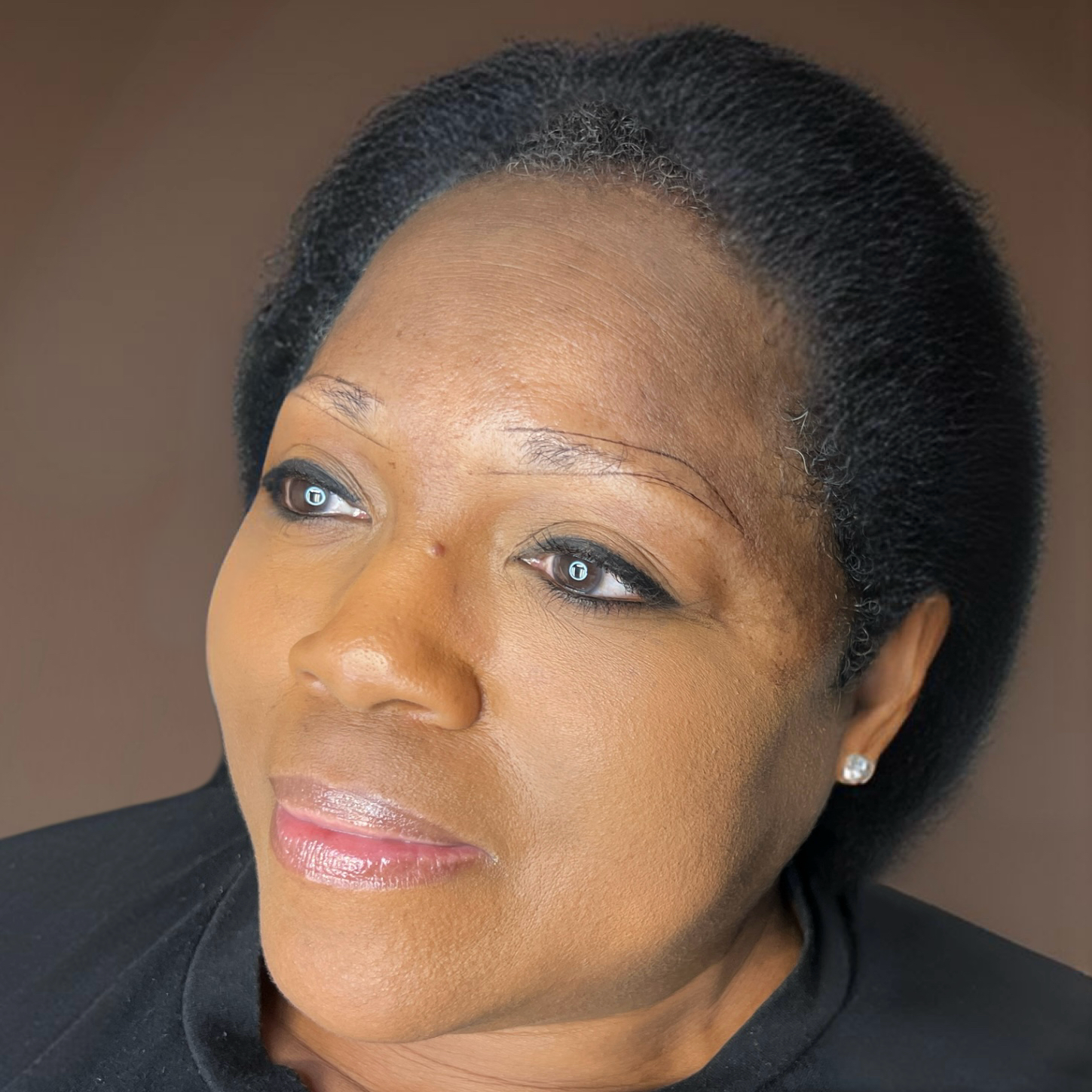
every
Face
From low to high melanin, brow mapping training demonstrates that structure remains constant while facial features vary. Students learn a proportional framework that guides brow design across different faces without changing the core system.
Brow Mapping Is a System
A beginner can look at an experienced artist drawing a brow and assume that the shape is being created mainly through instinct. Experience certainly improves visual judgment, but students need something more reliable than intuition when they are first learning.
BrowBeat teaches a defined mapping formula. Students work through the design step by step, using clear reference points and understanding what each mapping line contributes to the complete brow.
The system gives the student a way to move through the design logically instead of repeatedly erasing and redrawing lines without understanding what is changing. When a part of the map needs adjustment, the student can think about the relationship involved rather than treating the entire brow as one undifferentiated drawing.
This is an important part of becoming more independent. A student who understands the structure can eventually evaluate their own map. A student who only copied the instructor’s finished shape has much less information to work with when the next face looks different.
Understanding What Every Mapping Line Means
Brow mapping becomes much easier to learn when the lines stop looking arbitrary.
Students are taught to understand what each line represents, which reference point it relates to and what part of the brow design that relationship helps establish. The individual lines are therefore not separate instructions to memorize. They work together as parts of one design system.
This is where BrowBeat’s step-by-step approach matters. Students do not receive a completed map and then attempt to reverse-engineer how it was created. They build the design in sequence and understand why each part is being added.
The complete classroom formula, measurements and sequence are taught during training rather than reproduced as a public tutorial. The important educational principle is that students understand the logic behind the map rather than relying on visual imitation alone.
Reference Points Give the Brow Design Structure
Reference points help students turn a complex visual task into a series of understandable relationships. Instead of looking at the entire face and trying to invent a brow in one decision, the student identifies specific information and uses it to construct the framework progressively.
Those points help students think about placement, proportions and how one part of the brow relates to another. The finished design can then be evaluated as a complete structure rather than as a series of unrelated marks.
Reference points are particularly useful for beginners because they give the student something objective to return to when the brow begins to feel visually confusing. Rather than asking, “Does this look right to me?” as the only test, the student can return to the mapping relationships they have been taught.
As experience grows, visual judgment becomes stronger, but the underlying logic remains useful. The artist has a reason for the design decisions rather than relying entirely on habit.

Building the Brow Map Step by Step
BrowBeat’s mapping method is taught as a progression. Students establish the relevant reference points, build the mapping framework, examine how the different parts of the design relate to one another and then refine the brow before any technical procedure begins.
This progression helps prevent one of the common beginner problems in brow design: changing one line without understanding what that change affects elsewhere. A brow is a connected shape. Moving one part can alter the visual relationship of the rest of the design.
By learning the map in stages, students can see those relationships more clearly. They begin to understand that brow design is not simply a matter of adding lines until both sides appear approximately similar.
The step-by-step system also gives students a repeatable process they can continue practicing. The face changes from person to person, but the student does not need to invent a completely new way of thinking every time.
The Natural Brow Is Part of the Design
BrowBeat teaches students to map with the client’s natural brow rather than treating the existing hair as an inconvenience that needs to be removed or ignored.
The natural brow provides valuable information. Its size, direction, tail, hair growth and relationship to the face all contribute to the artist’s assessment. The mapped design should respond to those characteristics rather than forcing every person into the same predetermined shape.
This does not mean the artist simply traces the natural brow exactly as it appears. Mapping still involves design decisions. The point is that those decisions should respect what already exists.
That philosophy is especially important in permanent makeup because the artist is creating a lasting design. A shape that looks attractive as a drawing but fights visibly against the client’s natural hair can create problems once the temporary mapping lines are gone.
BrowBeat Uses Clear Mapping Rules Alongside the Formula
The step-by-step mapping formula and the mapping rules serve different purposes. The formula teaches students how to construct the brow design through reference points and mapping relationships. The rules act as guardrails that help students evaluate whether the design is respecting the client’s natural brow.
BrowBeat teaches three clearly defined mapping principles during training. Together, they reinforce an important idea: the artist is enhancing and designing around a natural brow rather than trying to relocate it arbitrarily.
These rules give beginners useful boundaries while their visual judgment is still developing. Instead of relying on personal preference alone, students have clear principles they can apply when evaluating whether a mapped brow has moved too far away from the natural structure.
Respecting the Natural Size of the Brow
A mapped brow should not become dramatically larger simply because the artist has room to draw beyond the natural hair.
BrowBeat teaches a defined proportion guideline that limits how far the design extends beyond the natural brow. The purpose is to keep the permanent design connected to the person’s existing features rather than creating a brow that overwhelms the natural structure.
This gives students a practical boundary when they are still learning proportion. Beginners can easily become focused on making a mathematically neat design and lose sight of how large that design has become in relation to the client’s actual brow. The mapping system teaches them to consider both structure and restraint.

Respecting the Natural Direction of the Brow Tail
The natural tail provides another important piece of design information. BrowBeat teaches students not to redirect the mapped tail in a way that fights against the natural direction of the client’s brow hair.
If the natural hair continues in one direction while the permanent design creates a different tail, the result can visually produce two competing tails: the client’s natural brow and the tattooed design.
That is a design problem, not a stroke problem.
The student therefore learns to examine the natural direction before deciding where the mapped tail should travel. The objective is to create a design that works with the existing brow rather than leaving the natural hair and permanent makeup visibly disagreeing with one another.
Why BrowBeat Does Not Teach Students to Shave Away the Natural Brow
BrowBeat does not teach students to shave away the natural brow simply so the mapped brow can be moved higher, lower or into a completely different position.
Removing the hair does not remove the underlying relationship between the natural brow and the person’s face. The hair will continue to grow, and a design that only works after the natural brow has been removed can create an obvious conflict later.
Students are instead taught to use the natural brow as part of their assessment. The permanent design needs to make sense with the client’s real features rather than depending on the natural brow being eliminated to make the mapping appear correct.
This principle reinforces the larger BrowBeat philosophy: mapping should create a thoughtful design for the person in front of the artist, not force the person to conform to a predetermined brow.
Symmetry Does Not Mean Creating Two Identical Drawings
Brow mapping involves symmetry, but human faces are not perfectly mirrored from one side to the other. Students need to understand the difference between creating visual balance and pretending that natural asymmetry does not exist.
A mapping system gives the artist structure for comparing the two sides, but the objective is not to produce two brows that look as though they were copied and flipped digitally onto the face.
Real facial features differ. Bone structure, natural brow growth and muscle activity can all contribute to visible differences between the sides. Mapping helps the artist evaluate those differences and create a deliberate design rather than responding to them randomly.
Students learn to use the system as a framework for balanced design while still looking at the actual face they are mapping.

Brow Starting Points and Tail Placement Need Context
Questions such as “Where should the eyebrow start?” or “Where should the brow end?” sound as though there should be one universal answer that works on every person.
BrowBeat teaches those decisions within the complete mapping system rather than as isolated measurements. A starting point only makes sense in relation to the rest of the brow, just as tail placement needs to make sense with the natural brow direction and the complete design.
This prevents students from treating one reference point as though it can determine the entire eyebrow by itself. The value of the formula is that the student understands how the different landmarks work together. Placement becomes a relationship rather than a collection of disconnected rules.
Natural Brow Proportions Matter More Than a Generic Perfect Brow
There is no single eyebrow shape that becomes perfect simply because it is placed on every face.
Students learn to think about natural proportions and the relationship between the mapped brow and the client’s individual features. A brow that works beautifully for one person can look disconnected on another even if the drawing itself is technically neat.
This is why brow mapping needs both structure and observation. The formula creates consistency in the artist’s process, while the natural brow and facial features provide the information the artist is applying that process to.
The result should be intentional rather than generic.
Where the Golden Ratio Fits Into Brow Mapping
The Golden Ratio is often discussed in brow design because it offers a way to think about proportion and visual relationships. In training, proportion can be useful as a reference, but it should not be treated as a rigid formula that produces one universally perfect eyebrow.
BrowBeat teaches students to use structure alongside observation. Reference points and proportional relationships help organize the design, while the person’s natural brow and facial features still matter.
The goal is not to force every face into one mathematical template. The goal is to give the student a repeatable framework for making deliberate design decisions.
Learning the Mapping Formula on a Mannequin
Students first work through the mapping process on a mannequin so they can concentrate on understanding the system before introducing the additional complexity of working on a real person.
This is where the step-by-step structure becomes especially useful. Students can identify reference points, build the mapping lines in sequence and see how the complete design develops without the pressure of needing to manage client communication or natural facial movement at the same time.
The mannequin gives students a controlled environment for repeating the formula until the relationships between the lines begin to make sense. The purpose is not to memorize one mannequin brow. It is to understand the logic well enough that the student can later apply the same mapping principles to a different face.
Moving From Mannequin Mapping to Partner Mapping
Once students understand the mapping system on the mannequin, they progress to mapping a partner. This changes the exercise significantly. A real face introduces natural brow growth, individual proportions, asymmetry and communication. The student now has to apply the same structured method while responding to features that are not perfectly uniform.
Partner mapping helps students discover the difference between understanding the formula in theory and applying it to an individual person. The mapping system remains the same, but the face provides new information.
Partner Mapping Is Design Practice, Not Live Microblading
BrowBeat uses partner mapping so students can develop real-face design experience without performing Microblading procedures on live skin during class. The student can assess the natural brow, work through the reference points, construct the map and evaluate the design while the partner remains part of the planning exercise only.
This gives students meaningful experience with a real person while keeping the technical Microblading practice on the confirmed paper, silicone and silicone headband formats used during training.

How Brow Mapping Supports Natural-Looking Hair Strokes
Mapping and stroke execution aid in helping students grasp how microblading training works but they are different skills, and they need to support one another. The map establishes the shape and boundaries of the brow. The hair-stroke pattern then needs to make sense inside that framework. A strong map gives the artist a clear structure for deciding where the strokes belong. It does not automatically create natural-looking Microblading, but it gives the technical work a better foundation.
This is why BrowBeat separates planning from execution during training. Students first need to understand the design before they can use the manual technique to build the brow inside it.
Common Brow Mapping Mistakes Students Learn to Recognize
Beginners can make mapping mistakes for very understandable reasons. They are trying to think about several visual relationships at the same time while also learning a new system.
One common problem is allowing the mapped brow to become too large in relation to the natural brow. Another is redirecting the tail without considering the natural hair growth. Students can also become so focused on perfect symmetry that they stop responding to the actual face in front of them. Another mistake is changing a line randomly when something looks wrong without understanding what that line affects elsewhere in the design.
BrowBeat’s mapping formula gives students a way to diagnose those problems more systematically. Instead of starting over from scratch, the student can return to the relevant reference point or relationship and determine what needs to be adjusted.
Why Random Adjustments Create More Confusion
When a student does not understand the purpose of each mapping line, correcting the design can become a cycle of erasing and redrawing. One side is changed. Then the other side no longer appears balanced. The tail is moved. Then the overall proportion feels wrong. The student keeps adjusting the map without knowing which relationship actually caused the problem.
A structured formula helps prevent that. If the student understands what each line is doing, they have a better chance of identifying the real source of the imbalance rather than altering several parts of the design at once. This is one of the main reasons BrowBeat teaches the logic behind the map rather than simply showing students a finished shape to copy.
Mapping Takes Practice Even When the Formula Is Clear
A step-by-step formula makes mapping more understandable, but it does not mean every student will create a perfect brow the first time. Students still need repetition. They need to see different faces, compare different brow structures and become more comfortable recognizing the relationships between the reference points.
The formula provides consistency in the process. Practice develops judgment.
As students become more familiar with the method, they spend less time wondering what to do next and more time evaluating whether the design itself makes sense.
Brow Mapping in BrowBeat’s In-Person Dallas Training
BrowBeat Certification teaches brow mapping as part of its in-person permanent makeup education in Dallas, Texas.
Students learn the step-by-step formula, understand what the mapping lines mean, apply the system on a mannequin and then progress to partner mapping so they can work with real facial features and natural brow growth.
The emphasis is on understanding the design process rather than copying a finished shape. Students leave with a repeatable mapping framework they can continue practicing as their visual judgment develops.
Frequently Asked Questions About Brow Mapping
What is brow mapping?
Brow mapping is the planning process used to establish the shape, placement and proportions of a brow before the technical PMU procedure begins.
Why is brow mapping important for Microblading?
Microblading strokes need to be placed inside a planned brow design. Mapping gives the artist a structure for the shape before the manual hair-stroke work begins.
How does BrowBeat teach brow mapping?
BrowBeat teaches a step-by-step mapping formula based on defined reference points, mapping lines and design relationships. Students first practice the system on a mannequin and then progress to partner mapping.
Do students learn what every mapping line means?
Yes. Students are taught the purpose of the individual mapping lines and how each one relates to the reference points and the complete brow design.
Does BrowBeat use stencils to map brows?
No. BrowBeat teaches students to build the brow map from reference points and a defined step-by-step formula rather than relying on a stencil to determine the finished shape.
Should the natural brow be shaved before mapping?
No. BrowBeat does not teach students to remove the natural brow simply to relocate the mapped design higher or lower. The natural brow is part of the artist’s assessment.
Do students practice brow mapping on mannequins?
Yes. Mannequin mapping gives students a controlled environment for learning the step-by-step formula before moving to a real face.
Do students map real people during training?
Yes. After learning the system on a mannequin, students progress to partner mapping so they can practice design on real facial features and natural brow growth.
Can beginners learn brow mapping?
Yes. The step-by-step formula is designed to give beginners a structured process they can understand and repeat instead of relying entirely on intuition.
How long does it take to become good at brow mapping?
Brow mapping requires practice. Most students feel a huge weight has been lifted if they sit down and map ten mannequins immediately in the days following class. Mannequins are included in class fees.