Learning how to choose a Microblading pigment does not need to begin with complicated color terminology. BrowBeat Certification teaches pigment selection through a clear, visual system designed to give beginning students practical rules they can understand and apply.
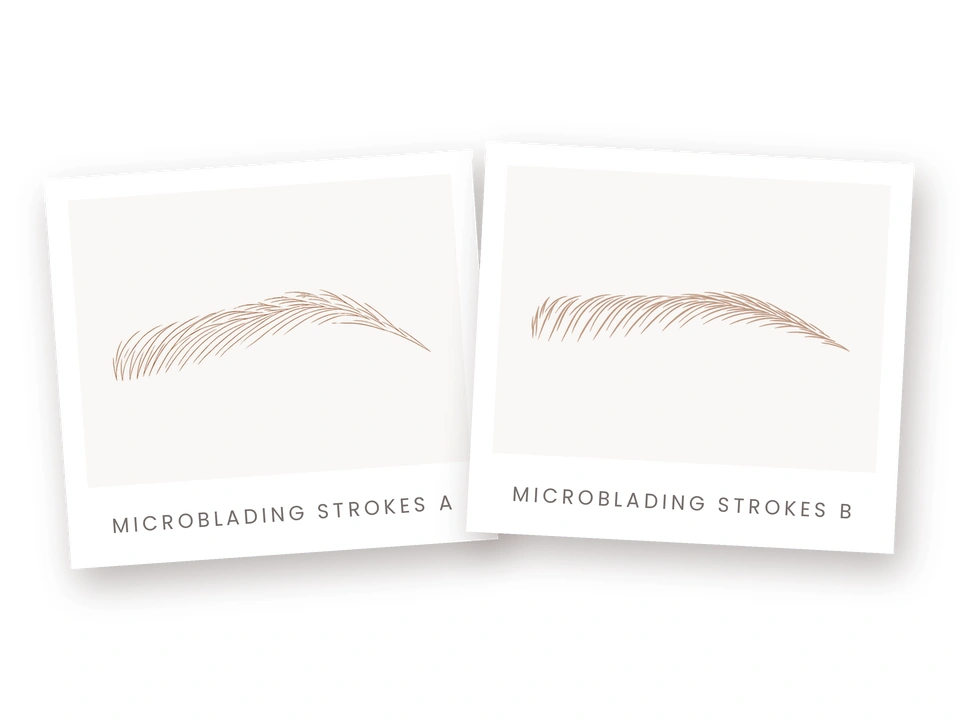
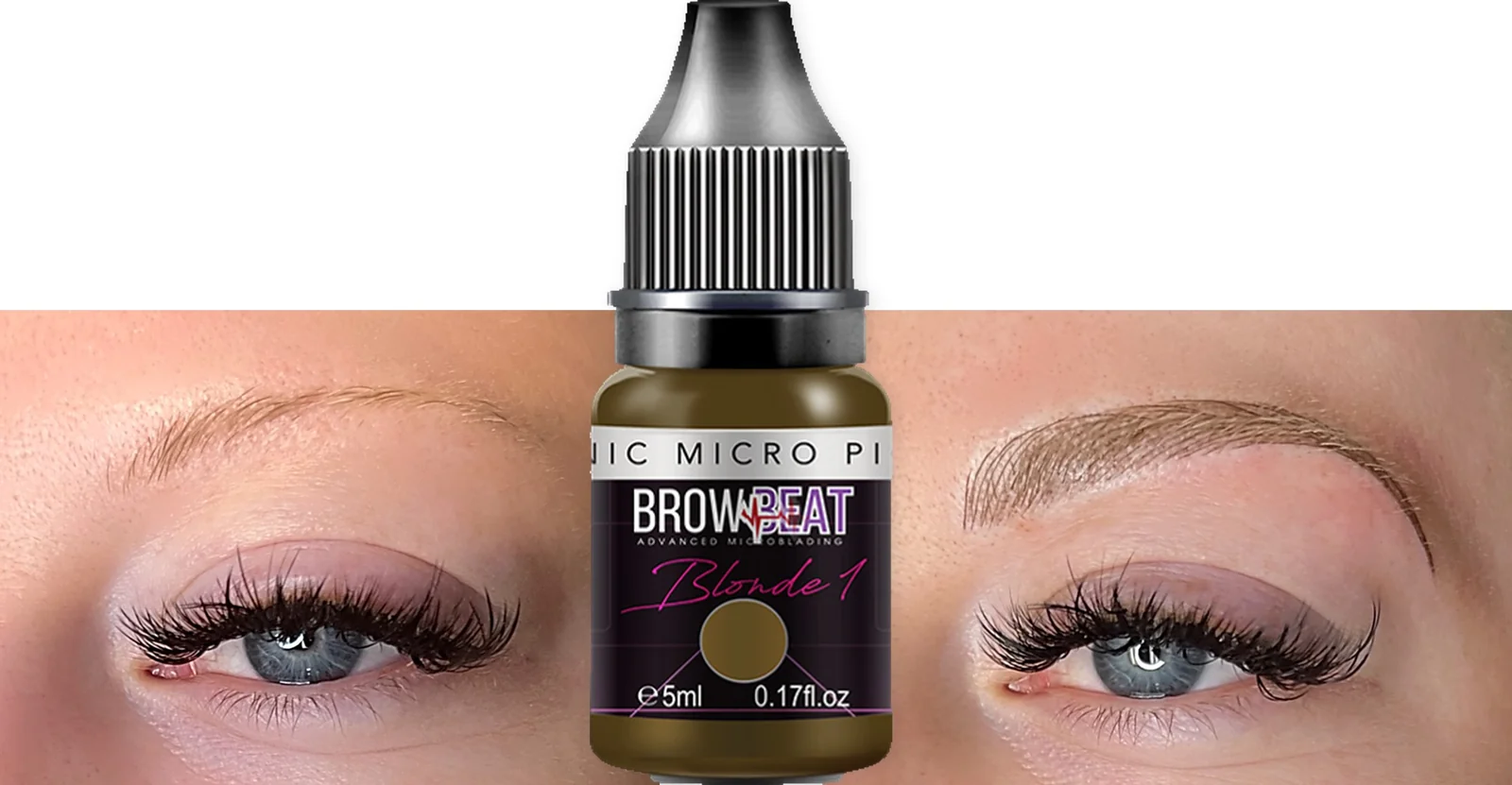
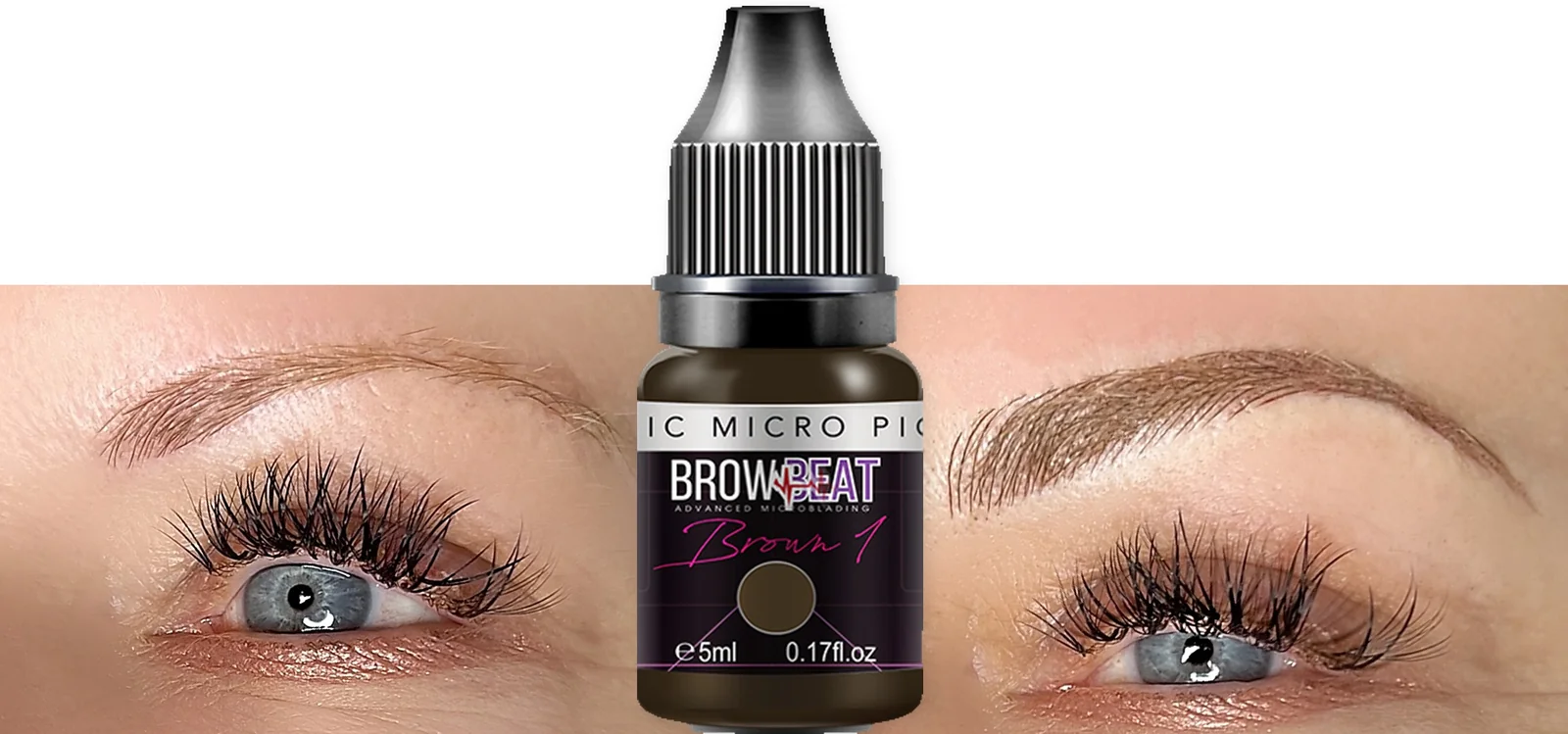
Students work with eight BrowBeat pigments that provide the color range needed for brow work across a wide variety of clients, from blonde brows through much deeper brow colors. Six are primary brow pigments: Blonde 1, Blonde 2, Brown 1, Brown 2, Brown 3 and Brown 4. Red and Black have specific roles as mixing colors within the system and are not taught as standalone brow selections.
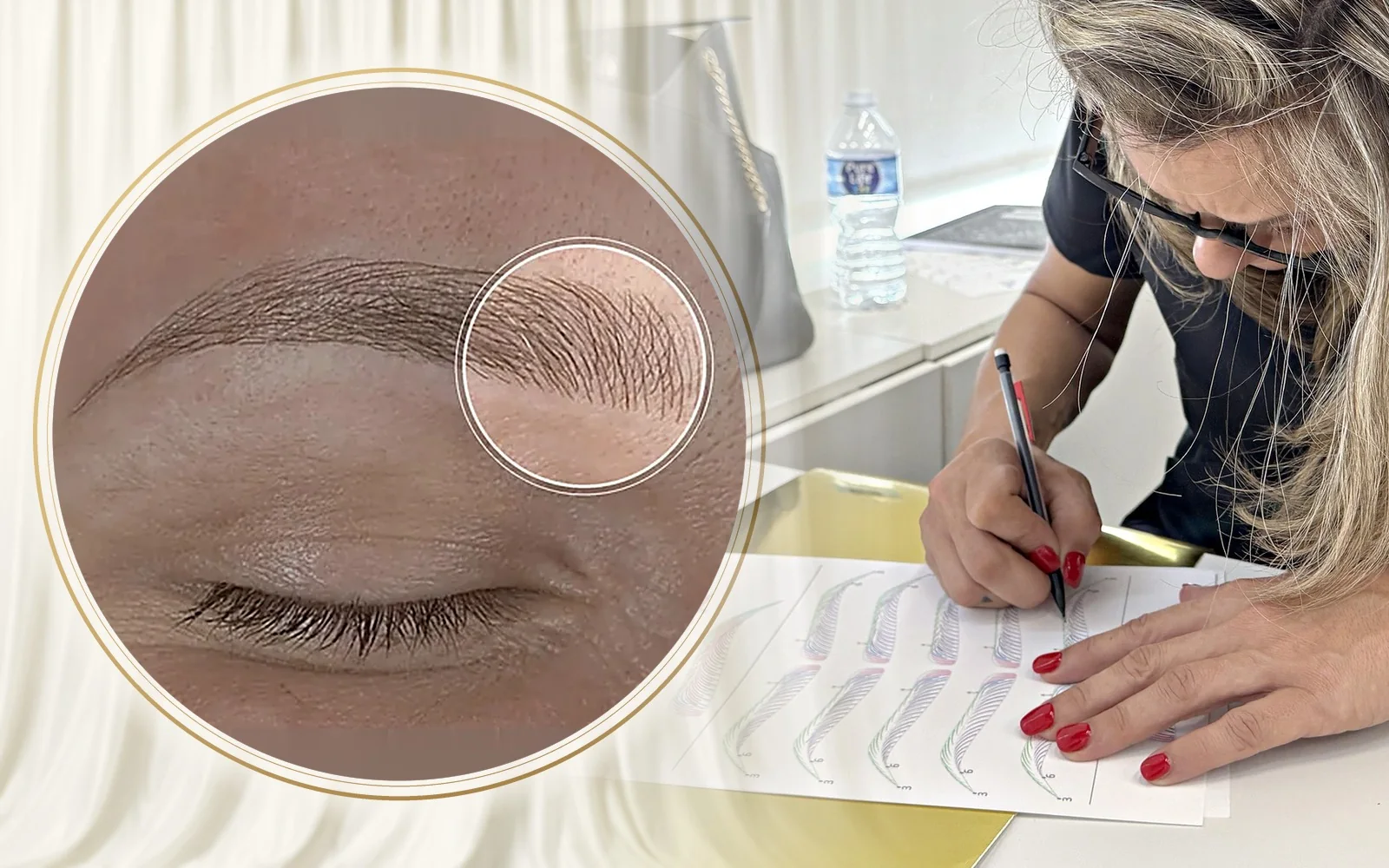
The education combines real-client examples with defined pigment-mixing rules. Students see before-and-after examples showing the client and the Microblading color result, giving them visual references for understanding who a pigment choice can work for. The corresponding pigment cards also contain mixing guidance so students can see how the primary colors can be adjusted within the BrowBeat system.
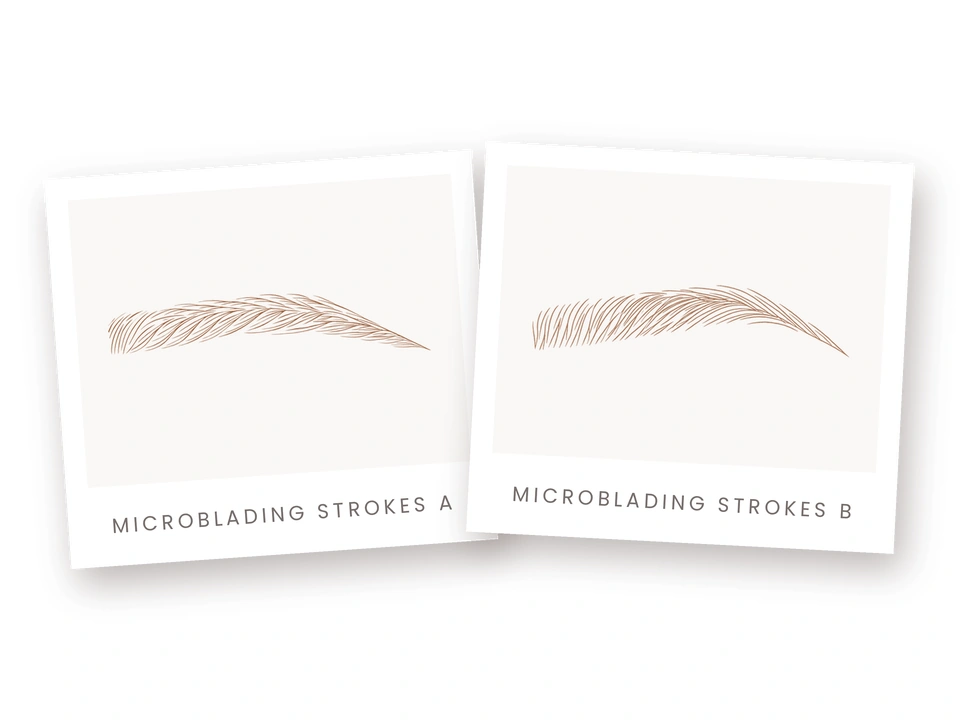
The objective is not to give beginners a complicated theory lesson and then leave them to guess. Students learn a practical way to look at a client, identify an appropriate color range, make a conservative selection, understand when mixing is appropriate and explain the reasoning behind the choice.





Deposits are non-refundableBalance due 14 days before class
Microblading Pigment Selection Should Be Understandable
A beginner needs a pigment system that creates clarity rather than adding unnecessary uncertainty to an already technical procedure.
BrowBeat teaches students to make color decisions from visual information they can actually use. Students compare brow color with known pigment examples, learn the relationship between the primary BrowBeat colors and understand the rules for moving within that range.
This gives them a repeatable starting point. Instead of being presented with dozens of colors and being expected to develop an advanced artist’s judgment immediately, they work within a controlled system and learn how the available pigments relate to the brows they see.
As students gain experience, their visual judgment continues developing. The beginner system gives that judgment a structure to develop from.
Eight Pigments Create a Clear Brow Color System
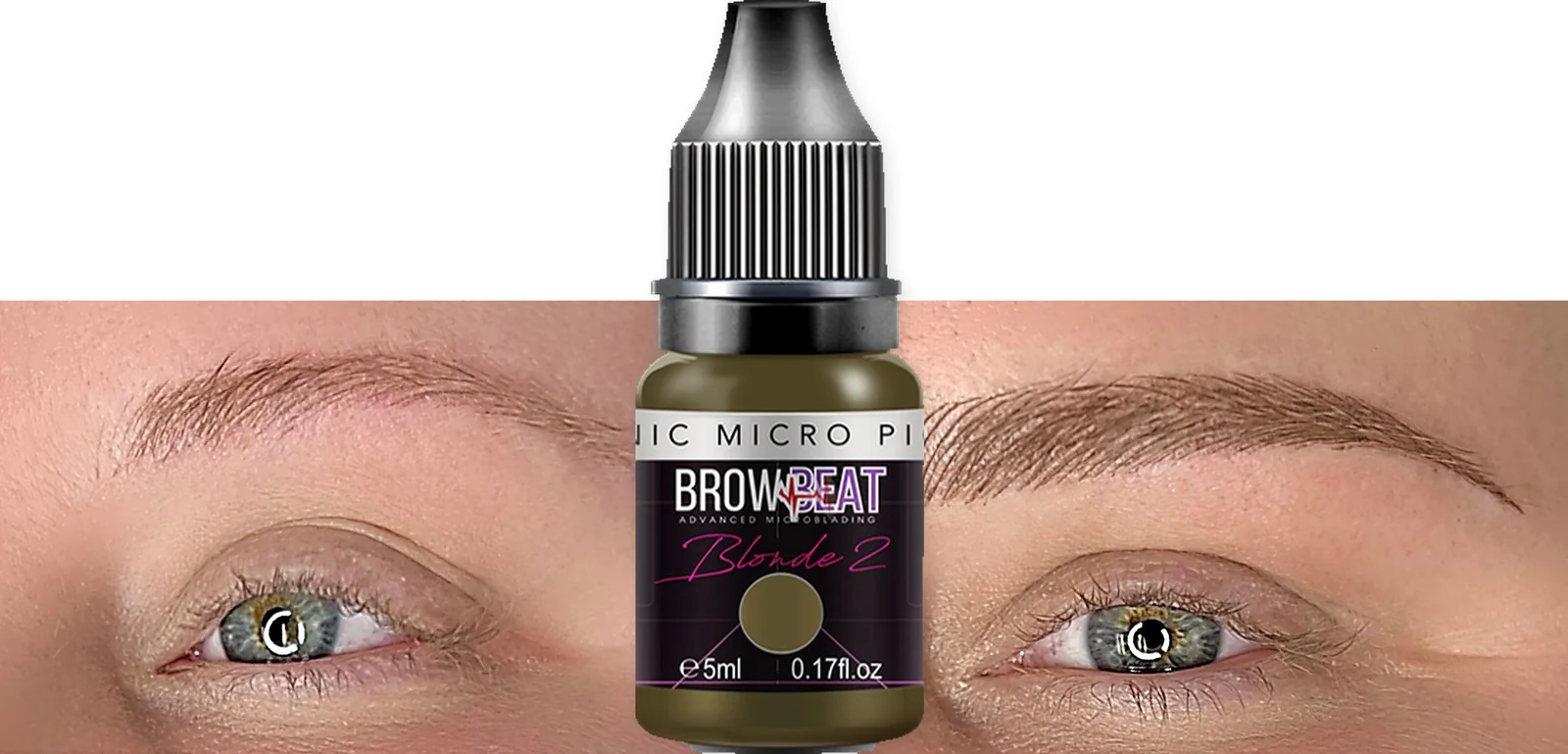
BrowBeat’s Microblading pigment education uses eight colors. Six form the primary brow range: Blonde 1, Blonde 2, Brown 1, Brown 2, Brown 3 and Brown 4.
Together, those primary pigments give students a clear progression through the brow colors they need to understand, from lighter blonde selections through deeper brow colors suitable for clients with high melanin.
Red and Black complete the eight-color system as mixing colors. They have defined purposes within BrowBeat’s pigment system and are not taught as colors that should simply be used alone on a brow.
Keeping the system contained makes the relationships between the pigments easier for a beginner to understand. The student is learning how a useful set of colors behaves together rather than trying to memorize an overwhelming catalog of unrelated bottles.
Real Client Examples Help Students Learn Pigment Matching
Color selection becomes much easier to understand when students can connect the pigment to an actual person.
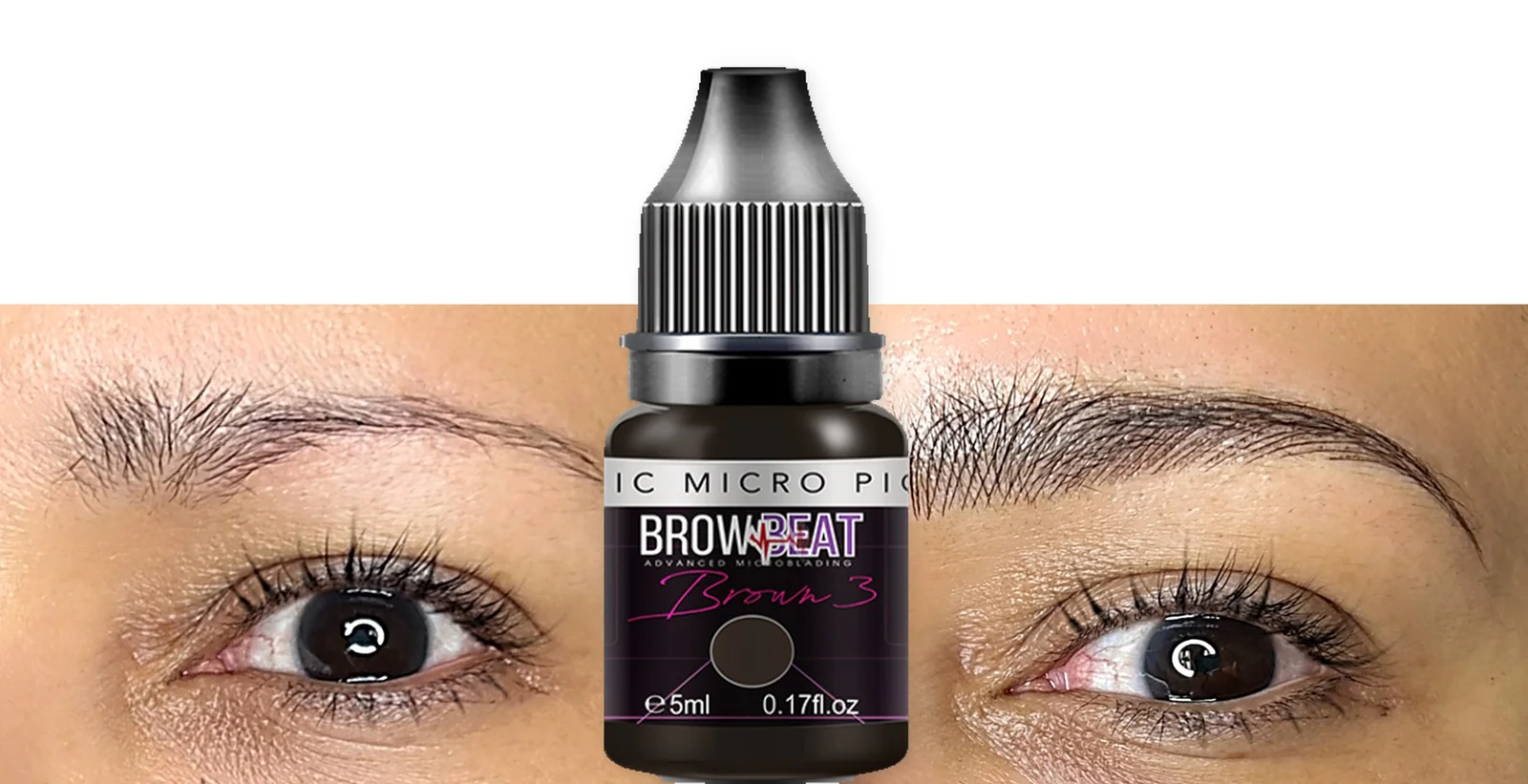
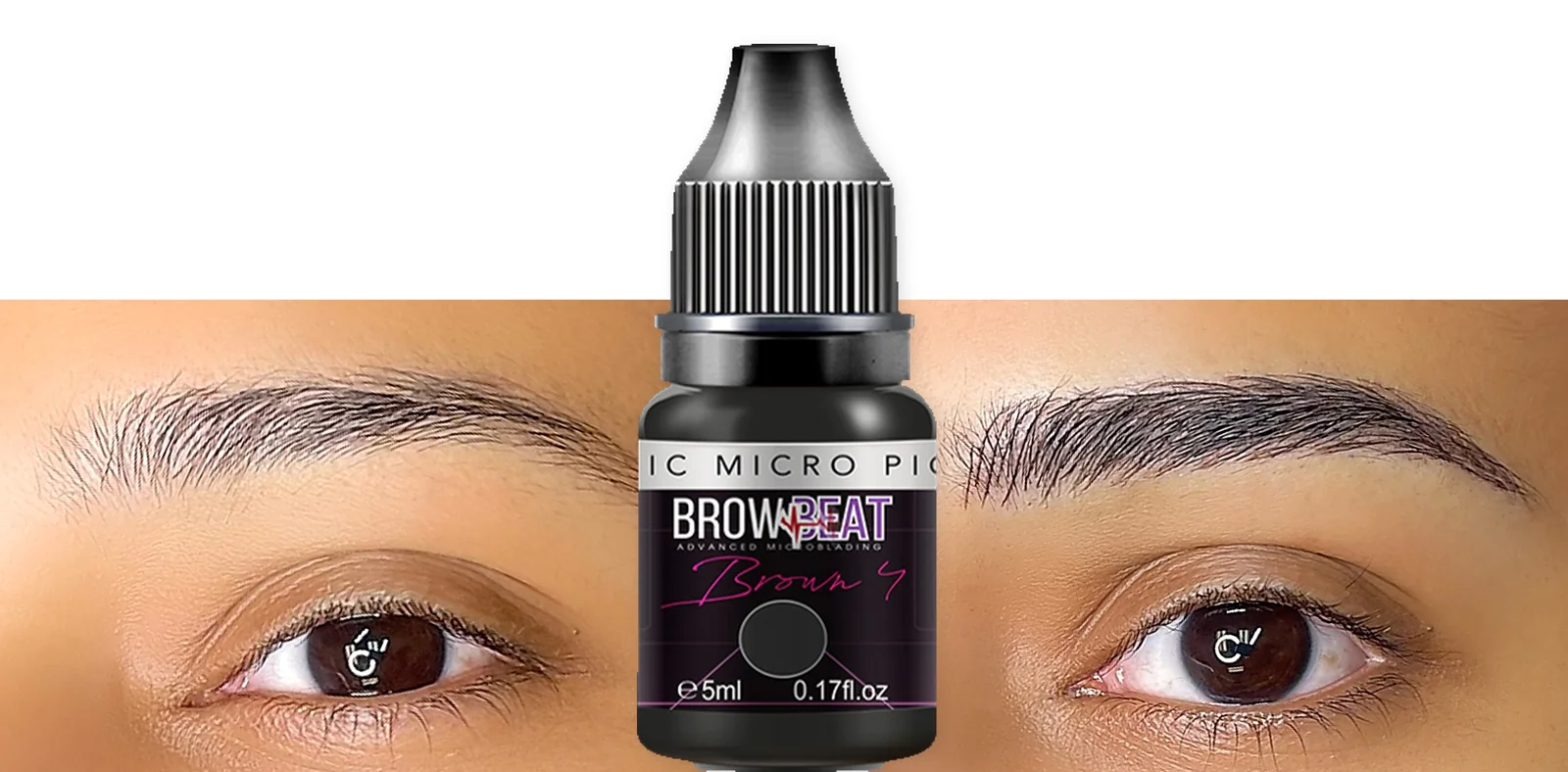
BrowBeat uses before-and-after client examples to teach this visually. Students can see the client before Microblading and then see the color result after the pigment selection has been used. This gives them a practical reference for understanding what kind of brow color they are looking at and which pigment choices belong within that range.
The examples help turn an abstract pigment name such as Brown 1 or Brown 3 into something visual. The student begins building a mental library of clients and color results rather than trying to remember a list of names without context.
That visual comparison is especially useful for beginners because color recognition improves when students have clear examples to work from.
Microblading Pigment Matching Is Not About Matching the Skin
BrowBeat does not teach beginners to choose a Microblading brow pigment by trying to match the pigment to the client’s skin color.
The student is selecting a color for the brow. The visual assessment therefore focuses on the brow color the artist is working with and the range of pigment choices that make sense for that client.
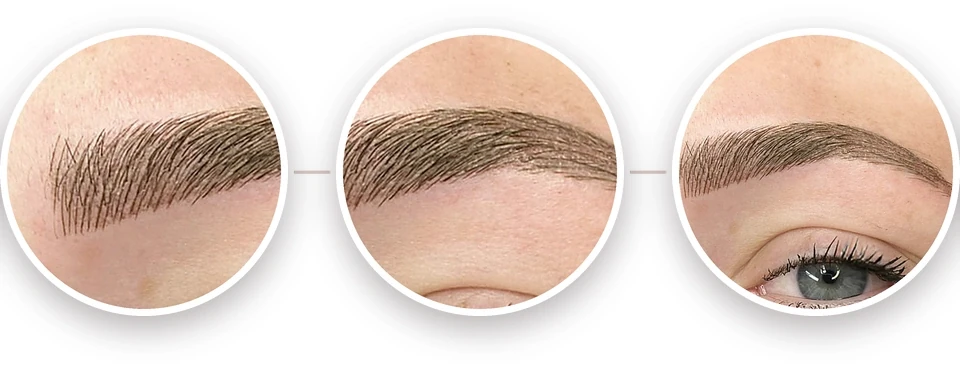
This keeps the decision practical. Students learn to look at what is actually present, compare it with the examples and pigment range they have been taught, and make a selection using defined BrowBeat rules rather than introducing additional categories that do not drive the way BrowBeat teaches brow matching.
There Can Be More Than One Correct Pigment Choice
Microblading pigment matching is not always a multiple-choice question with only one acceptable answer.
A client can sit within a range where more than one pigment choice is reasonable. BrowBeat teaches students how to recognize that range and make a thoughtful decision rather than becoming anxious about finding one supposedly perfect bottle.
This is an important part of the beginner mindset. Students still need rules and boundaries, but they also need to understand that professional judgment is not always binary. Two appropriate choices can produce different but reasonable directions depending on the intended brow result.
The student is therefore learning both structure and judgment: stay within the rules, understand the available choices and be able to explain why the selection makes sense.
BrowBeat Teaches Conservative Pigment Selection
When a student is deciding between reasonable pigment choices, BrowBeat teaches a conservative approach rather than encouraging beginners to make an unnecessarily dark selection.
The reason is straightforward. Pigment can be added as the artist evaluates the work, but implanted pigment cannot simply be taken away because the initial choice was too aggressive.
This gives students an important decision-making principle: when uncertainty exists within an appropriate color range, make the choice that leaves room to build rather than creating a problem that is harder to reverse.
That conservative mindset extends beyond memorizing pigment names. It teaches students to respect the permanence of the work they are learning to perform.
Stay Close to the Brow Color You Actually See
BrowBeat gives students defined guidance for staying within an appropriate range of the brow color they identify visually.
If a student recognizes a brow within a particular Brown category, the next decision stays close to that observation rather than jumping several full colors away from what is visibly present. This keeps the selected pigment connected to the brow the student is actually looking at.
The system also helps prevent beginners from overcomplicating the decision. They do not need to invent a dramatic adjustment simply because several pigment bottles are available. They need to identify the color range accurately and then choose conservatively within the rules they have learned.
Microblading Cannot Make Existing Brow Hair Lighter
Microblading adds pigment; it does not lighten the client’s natural brow hair.
This matters when students are tempted to select a pigment that is substantially lighter than the brow they can already see. The natural hair remains visible, so choosing too far outside that visual range can create a mismatch rather than making the existing brow appear lighter.
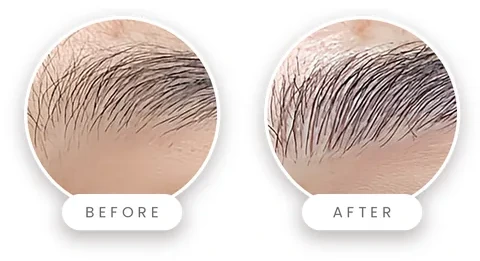
BrowBeat’s pigment-selection rules help students stay connected to the color information that is actually present. The goal is to make a reasoned selection rather than choosing a lighter pigment in the hope that it will somehow change the color of the natural brow.
Microblading Pigment Mixing Gives Students More Options
The six primary brow pigments create the core color range, but students also learn how pigments can be mixed when an adjustment is appropriate.
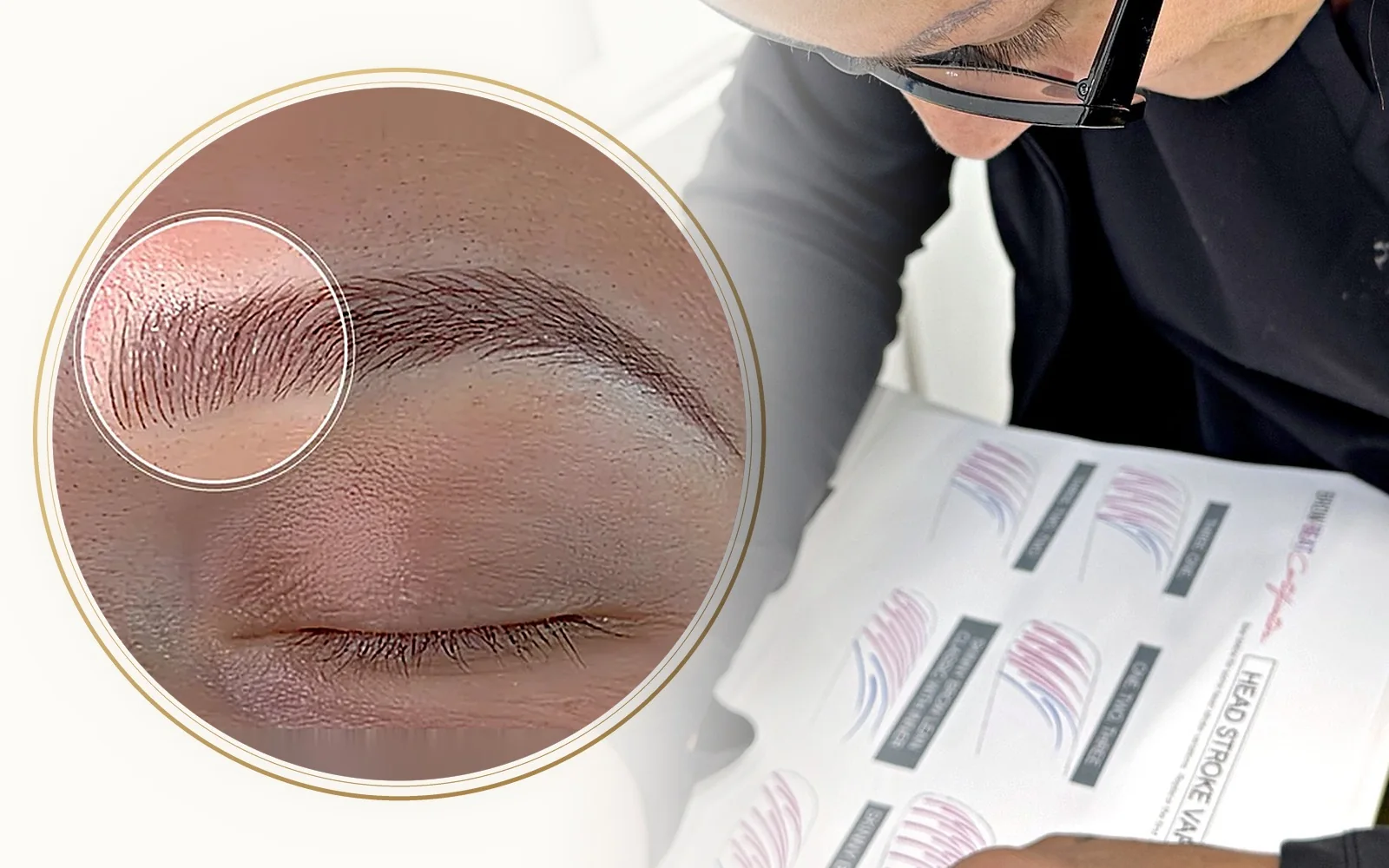
BrowBeat provides defined mixing rules rather than telling beginners to experiment randomly. The pigment cards give students guidance for the major BrowBeat pigments so they can understand how the colors relate and how the available mixing colors fit within the system.
This gives students flexibility without removing structure. They can learn how a color can be adjusted while still working within a system they understand.
The purpose of mixing is not to make pigment selection unnecessarily complicated. It is to expand what students can create from a manageable set of colors.
Red and Black Are Mixing Colors Within the BrowBeat System
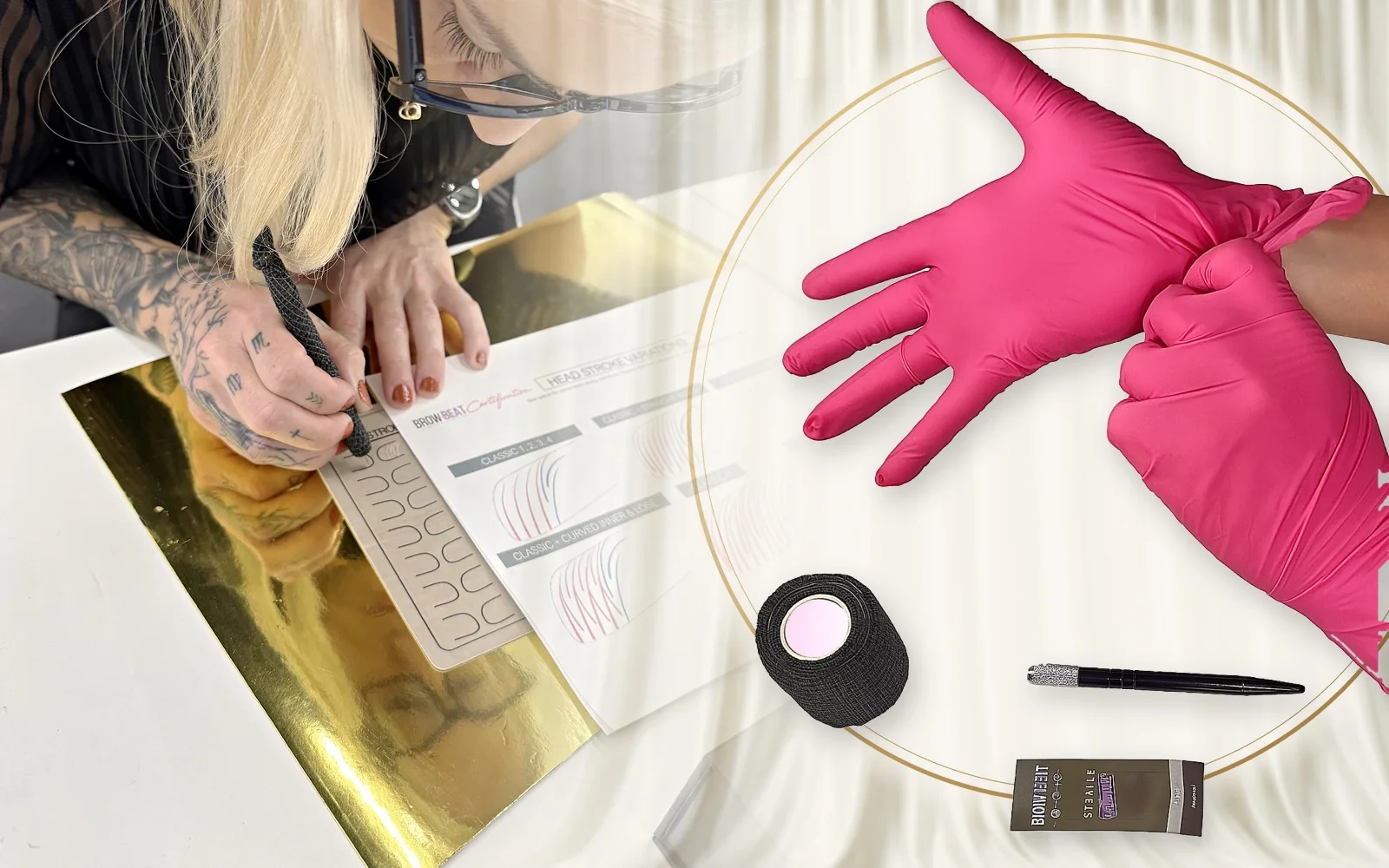
Red and Black have specific functions within BrowBeat’s eight-pigment system. Students are taught how those colors are used in mixtures rather than treating them as standalone brow pigments.
This distinction is important for beginners because having a pigment available does not mean it should be used independently. Students need to understand the role of each color within the system and follow the mixing rules associated with it.
By teaching Red and Black as purposeful mixing colors, BrowBeat gives students clearer boundaries around how the eight pigments work together.
Defined Mixing Rules Reduce Guesswork
Beginners should not have to invent pigment formulas while they are still learning how the color system works.
BrowBeat’s pigment cards provide mixing rules for the primary pigments and explain how the mixing colors are used within those formulations. Students can refer to the system while learning rather than relying entirely on memory or improvisation.
The rules also create a common language during training. When a student chooses or mixes a pigment, the instructor can discuss that decision within the same framework the student has been taught.
As experience grows, the student develops more visual judgment. The rules provide a dependable foundation while that judgment is still developing.

Students Learn Why a Pigment Choice Makes Sense
A useful pigment lesson should do more than tell students which bottle the instructor would choose.
BrowBeat teaches students to reason through the selection. They look at the client example, identify the brow color range, consider the appropriate options and make a choice within the rules of the system.
This matters because the next client will not look identical to the example used in class. Students need enough understanding to recognize similarities and differences rather than waiting for an instructor to name the pigment every time.
The system gives them a way to think through the decision independently while remaining conservative.
Students Are Quizzed on Pigment Selection
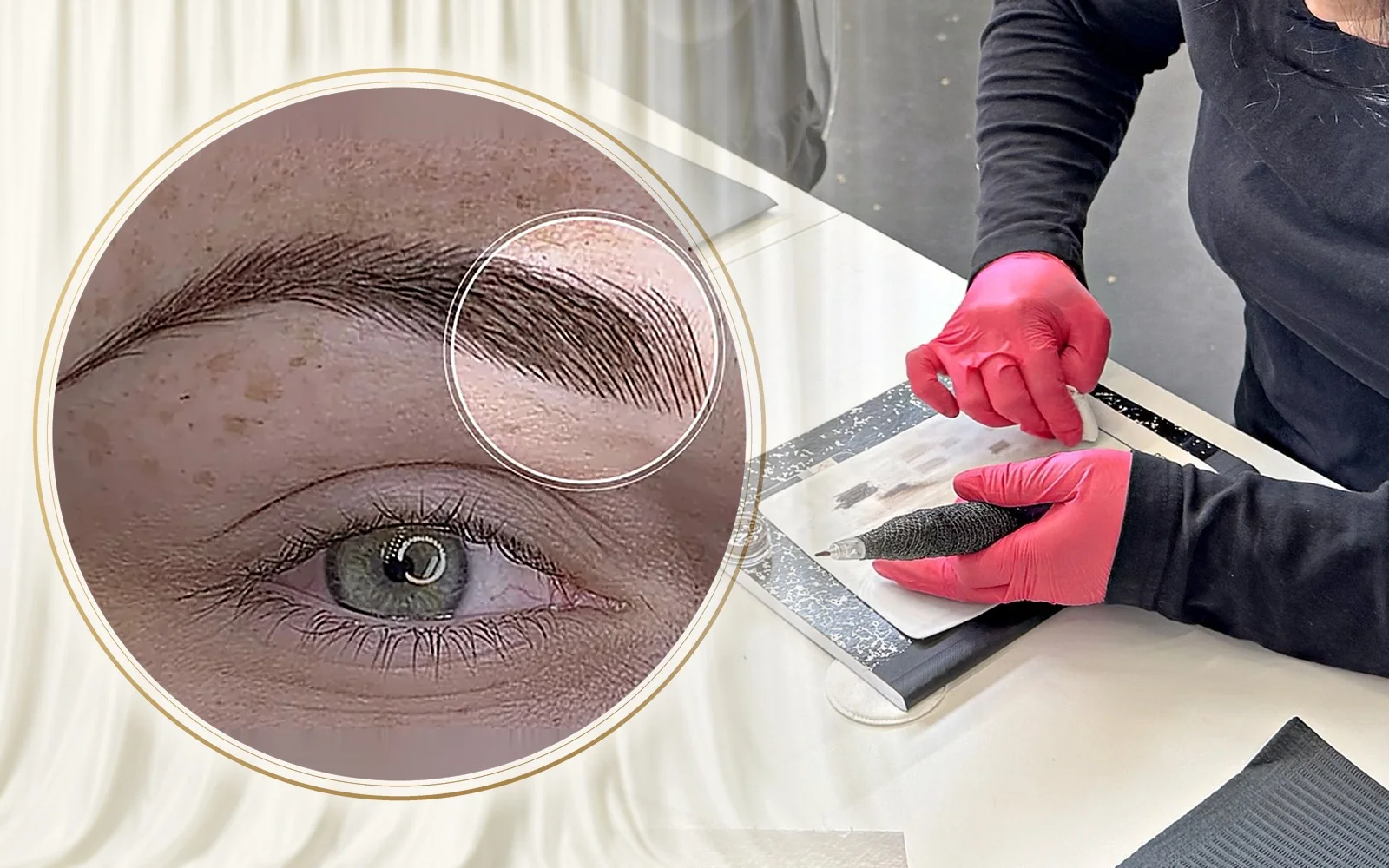
BrowBeat reinforces pigment education by asking students to apply what they have learned.
The quiz is not designed around the idea that every client has one single correct pigment answer. Students can identify more than one reasonable option when those choices fall within the rules they have been taught.
What matters is whether the student can recognize an appropriate range and demonstrate that the selection makes sense.
This changes the exercise from memorization into application. The student is not simply repeating that a particular photograph was paired with Brown 2. They are learning how to look at a new example and reason through the choice.
Why Visual Examples Matter in Beginner Pigment Education
Color terminology becomes much more useful when students can connect it with something they have actually seen.
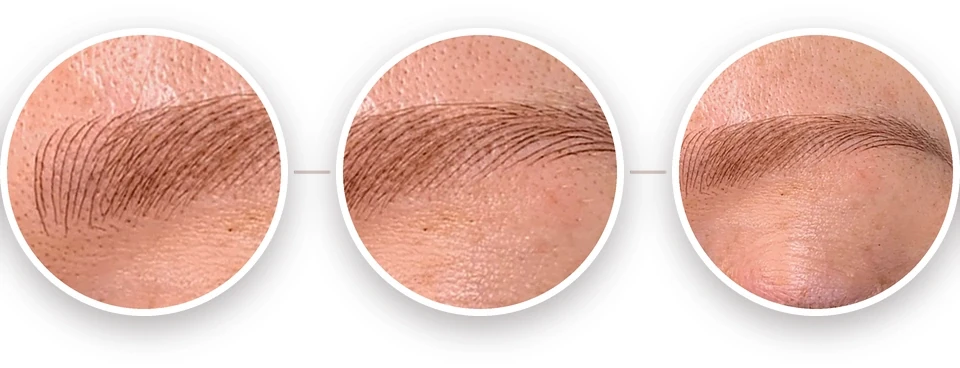
Before-and-after examples give beginners a visual reference for the relationship between a client’s brow and the pigment choice used for that work. As students see more examples, they begin recognizing similarities between new clients and the color ranges they already understand.
This is how the pigment cards become more than reference material. They help students build visual memory.
Over time, experience adds more examples to that internal reference library, but understanding how microblading training works gives beginners a clear place to start.

Natural-Looking Microblading Color Comes From Appropriate Matching
A natural-looking brow color does not come from one universal “natural brown.” It comes from selecting a color that makes sense for the brow and the intended result.
BrowBeat’s pigment range gives students options across lighter and deeper brow colors, while the matching rules help them avoid jumping unnecessarily far from what they see.
This approach keeps the student’s attention on creating harmony rather than searching for a single pigment that is supposedly correct for everyone.
Fresh Microblading Color and the Finished Result Need Context
Students need to understand that the appearance of pigment during the procedure is part of a larger process. They should not make every color decision by reacting impulsively to one moment during the treatment.
BrowBeat’s visual examples and pigment rules give students a reference for what the selected colors are intended to accomplish, allowing them to make decisions within an established system rather than changing direction randomly.
As artists gain experience, observing their own work over time adds to that understanding and strengthens their ability to evaluate future pigment choices.
What About Different Microblading Pigment Types?
Microblading artists encounter different pigment products, formulations and terminology throughout the industry. Those differences are useful to understand, but a beginner first needs to know the specific pigment system they are actually being trained to use.
BrowBeat teaches with its own eight-pigment range so students can learn defined colors, visual examples and mixing rules together rather than trying to compare an unlimited number of products during foundational training.
That creates a practical starting point. As artists encounter other pigment systems later, they can evaluate them with more experience rather than assuming every brand or formulation behaves identically.
Does Pigment Brand Matter?
The artist needs to understand the pigment system they are using. Names such as “blonde” or “brown” do not guarantee that products from different manufacturers are identical, and mixing guidance from one system should not automatically be assumed to apply to another.
BrowBeat’s pigment education is connected to the BrowBeat pigment range because those are the colors, examples and mixing rules students are learning during training.
This gives beginners a consistent system rather than asking them to combine instructions from unrelated pigment lines.
Previous or Aged Pigment Changes the Color Problem
This page addresses pigment selection for new Microblading work. Previous or aged permanent makeup creates a different situation.
When unwanted healed pigment is already present, the artist is no longer simply choosing an appropriate new brow color. The existing color and previous work need to be assessed before determining whether direct corrective work is appropriate.
That belongs to advanced PMU Correction education. BrowBeat’s microblading training does not teach beginning students to treat previous or aged pigment as though they are selecting color for an untreated brow.
Microblading Pigment Education at BrowBeat Certification
BrowBeat Certification teaches Microblading pigment selection with a beginner mindset, as part of its beginner microblading training. Students work with eight defined pigments, real-client before-and-after examples, pigment cards, clear mixing rules and practical decision-making exercises.
The system is designed to make pigment selection understandable without pretending every client has one single correct answer. Students learn to identify an appropriate color range, choose conservatively, understand when mixing is appropriate and explain the reasoning behind the selection.
They are then quizzed on applying those principles so the lesson becomes more than simply receiving a set of pigment cards.
Deposits are non-refundableBalance due 14 days before class